
Top Tips for Maintaining Clean and Safe Backyard Bird Feeders

By Robert Hale · Founder & Field Editor, BirdLedger
Published January 1, 2026 · Last reviewed May 12, 2026
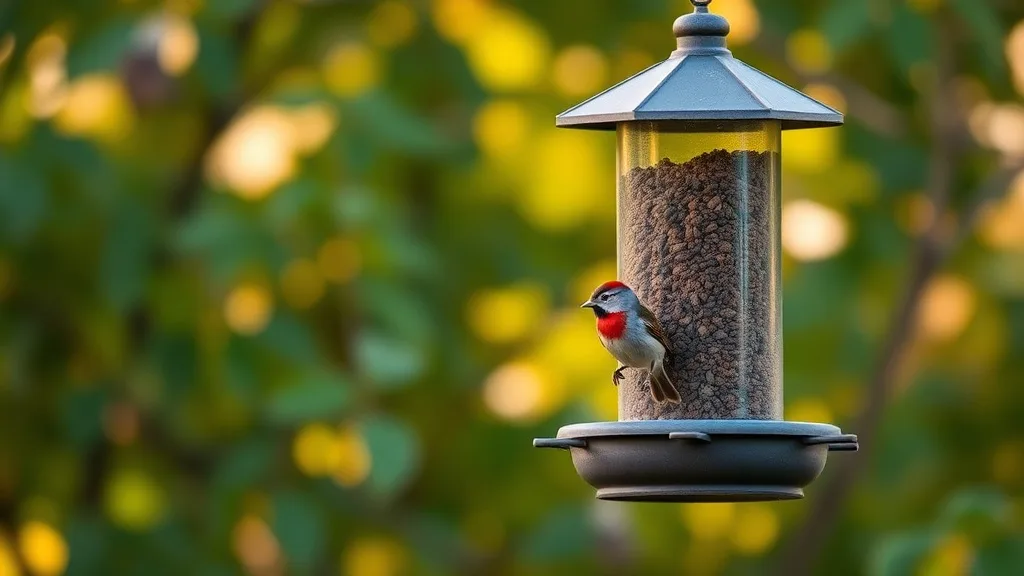
Keeping your backyard bird feeders clean and safe is crucial for the health of visiting birds and the longevity of your feeder investments. Dirty feeders can harbor mold, bacteria, and harmful fungi, leading to sick or stressed birds and ruining the enjoyment of birdwatching. This guide will walk you through practical steps to maintain clean and safe bird feeders that keep your feathered friends healthy and coming back for more.
Why Clean and Maintain Bird Feeders?
Bird feeders attract many species, often concentrating them in small areas. Without proper maintenance, feeders can become hotspots for disease transmission like salmonella or fungal infections such as aspergillosis. Cleanliness also prevents seed spoilage and keeps your feeder functioning smoothly, avoiding clogged ports or moldy seed buildup.
Practical care of your feeders enhances low-light visibility for birds needing a clear perch and safe access, reduces the need to replace feeders frequently, and supports ethical birding by minimizing harm and stress to wild birds.
See also: 14. How to Keep Mold Out of Your Bird Feeder Without Harsh Chemicals
How to Clean and Maintain Backyard Bird Feeders: Step-by-Step
Here are key practical steps to keep your feeders in peak shape while promoting bird safety.
1. Set a Cleaning Schedule Based on Your Feeder Type and Usage
- High-traffic feeders: Clean every 1-2 weeks (or more in wet or humid climates).
- Low-traffic feeders: Clean every month.
- Special feeders (hummingbird or nectar feeders): Clean at least twice weekly due to rapid sugar spoilage.
2. Disassemble Feeders and Remove Old Seed
Before cleaning, take apart feeders as much as possible. Empty all seed and debris. Dispose of spoiled or moldy seed away from feeders to prevent re-contamination.
3. Use Safe Cleaning Solutions
Avoid harsh chemicals that can leave toxic residues. The best cleaners:
- Mild soap and water: Effective for routine cleaning.
- Diluted white vinegar solution (1 part vinegar to 9 parts water): Helps remove mineral buildup and disinfects naturally.
- Bleach solution (1 part bleach to 9 parts water): For deep cleaning once a month or if disease risk is suspected. Rinse thoroughly afterward.
4. Scrub All Parts Thoroughly
Use brushes with nylon bristles or old toothbrushes to reach seed ports, perches, trays, and mesh surfaces. Avoid metal brushes that could scratch and damage waterproof coatings.
5. Rinse and Dry Completely
Rinse with clean water to remove soap or disinfectant residues. Dry completely in the sun if possible, as UV light further inhibits microbial growth.
6. Inspect Feeders for Damage
Check for cracked plastic, rusted metal, or fraying cords. Repair or replace damaged feeders promptly to prevent injury or seed contamination.
7. Rotate Feeder Locations Occasionally
Moving feeders allows dried droppings or mold buildup below feeders to dissipate naturally and reduces disease spread.
8. Use Fresh Seed and Store Properly
Buy seed from reputable sources and keep it in sealed containers in a dry, cool place to avoid mold and pests.
9. Monitor Bird Behavior and Health
If you notice sick or distressed birds near feeders, clean feeders more frequently and consider temporarily removing feeders to limit disease transmission.
Comparison Table: Cleaning Solutions and When to Use Them
| Cleaning Solution | Best Use Case | Pros | Cons | Notes |
|---|---|---|---|---|
| Mild Soap & Water | Routine, weekly/monthly clean | Gentle, safe for most materials | May not kill all pathogens | Good for frequent cleanings |
| White Vinegar Solution | Mineral buildup & routine disinfection | Natural, non-toxic | Strong smell | Rinse thoroughly, use outdoors |
| Bleach Solution | Deep disinfection, disease outbreaks | Highly effective against pathogens | Can damage some feeder materials | Use sparingly, rinse very well |
Additional Tips for Bird Feeding Ethics and Safety
- Avoid feeding in damp, shady areas where seed molds quickly.
- Do not flush or harass birds to get photos or better views.
- Never use playback calls near feeders to attract birds aggressively.
- Use feeders designed to minimize seed spillage on the ground, reducing rodent attraction.
- Provide fresh water nearby and clean water dishes weekly.
Frequently Asked Questions
Q: How frequently should I clean my bird feeders during rainy weather?
A: Increase cleaning frequency to once a week or even more, as damp conditions encourage mold and bacterial growth.
Q: Can I use household disinfectants like bleach on my bird feeders?
A: Yes, but dilute bleach properly (1:9 ratio with water), soak for 10 minutes, and then rinse thoroughly to avoid toxic residues.
Q: What are signs that a bird feeder needs immediate attention?
A: Visible mold on seed or feeder parts, clumped or foul-smelling seed, sick or lethargic birds visiting the feeder, or damaged feeder parts.
Maintaining clean and safe bird feeders is a straightforward way to enhance your backyard birding experience while responsibly caring for local wildlife. Regular cleaning, mindful seed management, and practical ethics ensure your feeders remain inviting and healthy hubs for birds throughout the seasons.
Top Picks


Sponsored · From our family of brands
Phone Cases For Her
Cases with personal polish.