
14. How to Keep Mold Out of Your Bird Feeder Without Harsh Chemicals

By Robert Hale · Senior Editor
Published January 1, 2026 · Last reviewed May 12, 2026
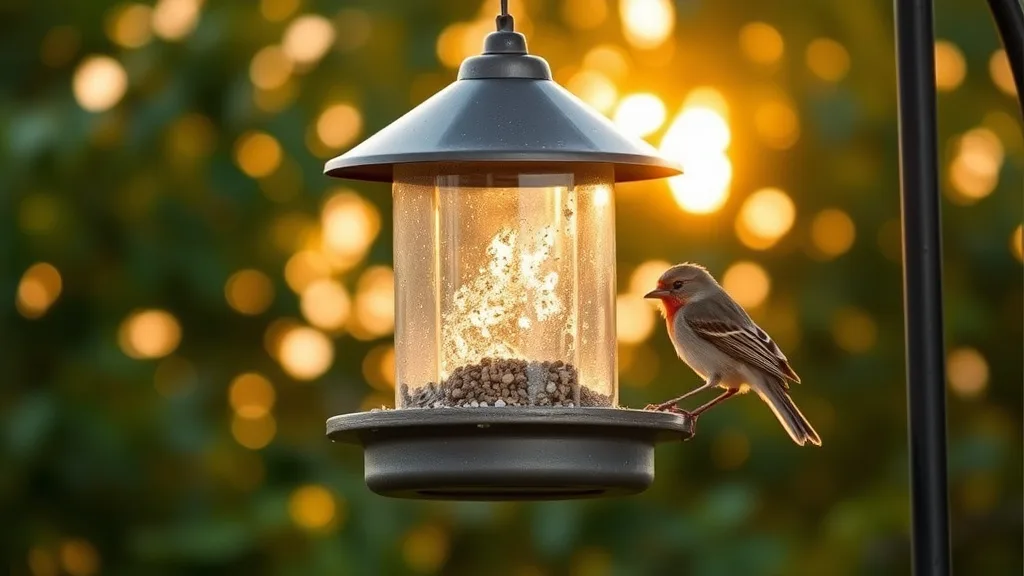
Many backyard birders face a frustrating, ongoing challenge: keeping mold out of their bird feeders without resorting to harsh chemicals that could harm birds or the environment. Mold not only deters birds from feeding but also poses health risks to feathered visitors. This guide offers practical, non-toxic methods to maintain clean, safe feeders that support bird health and enhance your birding experience.
Understanding the Problem: Mold in Bird Feeders
Mold thrives in damp, nutrient-rich environments — conditions bird seed and feeders frequently provide. Moisture from rain, humidity, or bird saliva combined with leftover seed creates a perfect breeding ground for mold. Left unchecked, mold can
- Deter birds from visiting
- Cause illness if birds ingest spoiled seed
- Damage feeder materials
Using harsh chemicals to clean feeders is not advisable, as residues may be toxic. Instead, regular maintenance and gentle cleaning approaches are preferred to protect your local bird population and keep feeding activity vibrant.
See also: Top Tips for Maintaining Clean and Safe Backyard Bird Feeders
How Mold Develops in Bird Feeders
Mold growth depends on four key factors:
- Moisture: Wet seed or water accumulation inside the feeder or beneath it.
- Warmth: Most mold species favor moderate to warm temperatures.
- Organic Material: Seeds and husks provide feeding grounds for mold spores.
- Time: Mold spores need time to colonize and grow visibly.
Understanding these factors allows you to take preventive measures, reducing conditions favorable to mold formation.
Step-by-Step: Keeping Mold Out of Bird Feeders Without Harsh Chemicals
Here’s a stepwise approach to maintain mold-free feeders with safe, bird-friendly methods:
1. Choose the Right Feeder Design
- Opt for feeders that minimize seed exposure to rain and humidity, such as covered hopper or tube feeders with proper drainage.
- Avoid open tray or platform feeders in damp, shaded areas which are prone to retaining moisture and mold growth.
2. Monitor Seed Freshness and Type
- Regularly check seed for signs of mold or clumping before refilling.
- Purchase smaller quantities to prevent seed from sitting too long.
- Consider using seed mixes less prone to mold, such as black oil sunflower seed, which tends to resist moisture absorption.
3. Store Seed Properly
- Keep seed in airtight, dry containers away from direct sunlight and humidity.
- Avoid letting seed bags sit on damp ground or in areas of fluctuating temperature.
4. Regularly Clean Your Feeders
- Clean feeders at least once every 1-2 weeks, more often in humid climates or during wet seasons.
- Use a brush and hot water mixed with mild, natural cleaning agents like white vinegar or baking soda instead of chemical disinfectants.
- Thoroughly rinse feeders and allow them to dry completely before refilling.
5. Position Feeders Strategically
- Place feeders in sunny, well-ventilated areas to speed drying after rain or watering.
- Avoid locations near dense shrubbery or trees where moisture and mold-resistant spores may persist.
6. Remove Moldy Seed Immediately
- If you notice moldy seed or seed buildup inside the feeder, discard it right away.
- Never attempt to feed birds moldy or wet seed as it can cause illness.
7. Use Bird-Safe Mold Inhibitors
- Some birders have success lightly sprinkling food-grade diatomaceous earth in seed storage containers to reduce moisture and pests, though this is optional.
- Avoid chemical additives or antifungal sprays not specifically approved for bird use.
Comparison Table: Chemical vs Non-Chemical Mold Control Options for Bird Feeders
| Feature / Method | Harsh Chemicals | Natural Cleaners (Vinegar, Baking Soda) | Prevention (Design, Placement, Seed Care) |
|---|---|---|---|
| Safety for Birds | Low (toxic residues risk) | High | Highest |
| Effectiveness Against Mold | Very effective but short-lived | Effective with regular cleaning | Limits mold growth; lowers risk before it starts |
| Environmental Impact | Negative (possible runoff and pollution) | Minimal | Positive (reduces chemical use) |
| Ease of Use | Easy but caution needed | Moderate (requires rinsing and time) | Passive, but requires consistent monitoring |
| Cost | Variable, may be expensive | Low cost | No direct cost, but requires investment in feeder quality |
| Ethical Considerations | Risk of harming birds through residue | Bird- and eco-friendly | Supports bird health and natural behavior |
Quick Tips to Enhance Mold Prevention:
- Rotate feeders regularly to prevent seed buildup.
- Clean up seed hulls and debris beneath feeders to reduce moisture retention.
- Avoid overfilling feeders, allowing birds to consume seed before spoilage.
- Check weather forecasts if heavy rain is expected; consider temporary feeder cover.
When to Consider Professional Advice or Replacement
If mold persists despite following the above practices, it might be time to:
- Replace feeders with better-designed, moisture-resistant models.
- Consult a local bird feeding expert or extension service for advice tailored to your climate and local bird species.
- Evaluate your overall bird feeding setup for improvements.
Ethically Glassing Bird Feeders
While maintaining clean feeders, remember these birding ethics:
- Avoid disturbing or flushing birds unnecessarily when approaching feeders to inspect or clean.
- Never use playback calls to lure birds for extended periods or in stressful conditions.
- Respect local regulations and wildlife guidelines regarding feeder placement and cleaning.
By combining pathogen-free feeder maintenance with mindful birding habits, you create a safer and more enjoyable backyard birding environment.
Frequently Asked Questions
Q: How often should I clean my bird feeders to prevent mold?
A: Ideally, clean feeders every 1-2 weeks, and more frequently in damp or warm weather to prevent mold growth.
Q: Can I use bleach to clean my bird feeders safely?
A: While bleach is effective at killing mold, it requires thorough rinsing to avoid toxic residue. Natural vinegar or baking soda solutions are safer alternatives.
Q: What signs indicate seed has gotten moldy?
A: Moldy seed often appears clumped, discolored (white, green, or black patches), or smells musty. Such seed should be discarded immediately.
Keeping your bird feeders mold-free without harsh chemicals is a manageable process when you prioritize maintenance, proper storage, and bird-friendly cleaning methods. These steps protect your feathered guests and ensure your backyard remains a rewarding birding haven.


