
Seasonal Backyard Bird Migration Patterns and How to Observe Them

By Robert Hale · Senior Editor
Published January 1, 2026 · Last reviewed May 12, 2026
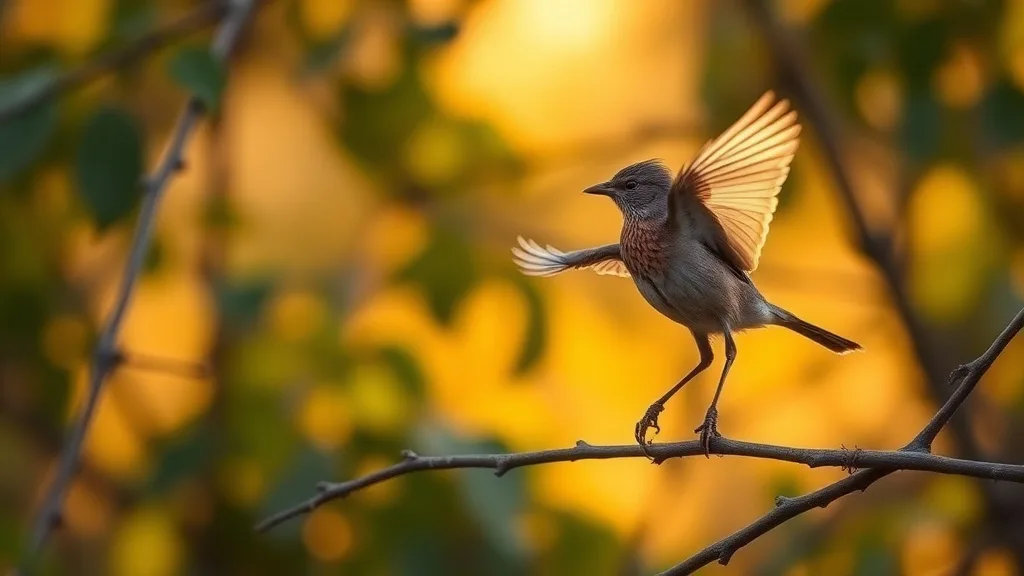
Seasonal shifts mean your backyard bird visitors aren’t a constant cast — they come, go, and often change dramatically through the year. If you’ve struggled to tell which birds are migrants vs residents or to know when and how to catch these avian travelers without disturbing them, you’re not alone. Backyard bird migration observation requires timing, patience, and thoughtful technique. This guide explains key migration patterns, how to recognize them, and ethical tips for observing these seasonal visitors in your own yard.
What Are Seasonal Backyard Bird Migration Patterns?
Migration patterns describe how various bird species move between breeding and wintering grounds as the seasons change. In temperate regions especially, many bird species leave in fall for warmer climates and return in spring to take advantage of breeding opportunities.
Backyard migration is a microcosm of this global phenomenon, where common backyard species might show up only during migration windows. Examples include warblers passing through on spring journeys northwards, or robins gathering before winter dispersal.
Each species has a distinct migration timing based on factors like day length, temperature changes, and food availability. Some migrate long distances, while others only shift a few hundred miles south. In many areas, spring and fall are peak migration periods, with fall often showing greater species diversity as juvenile birds disperse.
See also: How to Keep Backyard Bird Feeders Free from Squirrels and Pests
How Do Seasonal Migration Patterns Work in Backyard Birds?
Bird migration triggers include:
- Photoperiod (Day Length): Longer or shorter days stimulate hormonal changes that prompt restlessness and migration (“zugunruhe”).
- Food Supply: Decline in insects or fruits pushes insectivores and frugivores to move.
- Weather: Winds and storms can assist or hinder migration timing and routes.
- Breeding Cycles: Birds leave breeding grounds when chicks fledge or food declines.
When migrating through your backyard, birds use stopover sites for resting and feeding. These stopovers are crucial for refueling, making local habitats tremendously important even for birds just passing through.
When to Observe Migration in Your Backyard
Migration timing varies by region but generally follows these periods:
| Season | Typical Migration Activity | Bird Groups Commonly Seen | Best Time of Day |
|---|---|---|---|
| Spring | Birds return north, searching for breeding sites | Warblers, orioles, hawks, swallows | Early morning |
| Fall | Birds migrate south, traveling in groups or singly | Sparrows, thrushes, tanagers, shorebirds | Late morning to afternoon |
| Winter | Partial migration/refugia for some species | Certain woodpeckers, chickadees, finches | Throughout the day |
| Summer | Resident breeders present | Many songbirds, woodpeckers, owls | Early morning, dusk |
Peak migration involves flocks stopping over for a day or longer to refuel, especially if local food sources like berries, seeds, or insects are abundant. Thus, maintaining bird-friendly plants or feeders can help attract migrants at these critical windows.
How to Observe Seasonal Backyard Migration: A Step-By-Step Guide
- Prepare Your Spot: Choose a quiet, sheltered part of your yard with a mix of trees, shrubs, and open space. Early morning sunlight is best for spotting and identifying birds.
- Use Quality Optics: Binoculars with good light-gathering capability and moderate magnification (7x to 10x) help pick out details in plumage and behavior, crucial in low light or dense foliage.
- Time Your Observations: Early morning is best for active birds, while late spring and early fall often yield the most variety.
- Record Sightings: Keep a journal or digital log noting species, numbers, dates, and behaviors; this builds personal migration data over years.
- Respect Birding Ethics: Avoid playback since it stresses migrants during critical rest & refueling stops. Don’t chase birds or flush them from cover.
- Provide Food and Water: Feeders with native seeds and fresh water sources attract and support migrants, especially during lean times.
- Learn Bird Calls and Songs: Many migrants are best identified by sound. Apps or field guides can help improve hearing recognition.
- Observe Behavioral Clues for Migration: Fidgety movement, groups forming, or restless perching habits often indicate migration.
Common Bird Species and Their Typical Migration Patterns
| Species Group | Migration Distance | Timing | Identification Tips | Observation Notes |
|---|---|---|---|---|
| Warblers | Long (thousands of miles) | Spring (Apr-May), Fall (Aug-Sep) | Small size, bright spring plumage, active flitting | Check foliage edges and riparian zones |
| Hawks and Raptors | Medium (hundreds to >1000 miles) | Fall (Sep-Nov), Spring (Mar-Apr) | Soaring flight, sharp profiles, call notes | Look overhead on thermal updraft days |
| Sparrows and Finches | Short to medium | Fall dispersal (Oct-Nov) mostly | Drab plumage, ground foragers | Feeders and brush piles during migration |
| Thrushes | Medium to long | Spring (Apr-May), Fall (Sep-Oct) | Spotted chest, melodic song | Listen at dawn or dusk near shrubs |
Ethical Considerations for Migration Observation
- No Playback Abuse: Playback songs or calls can exhaust and stress tired migrants, risking their survival.
- Avoid Flushing Birds: Approaching too closely or sudden movements might cause birds to fly off, wasting critical energy.
- Leave Habitat Intact: Avoid trimming trees or removing native plants during migration seasons; these are vital stopover resources.
- Report Rare Sightings Responsibly: Sharing verified sightings helps science but avoid revealing sensitive locations that may invite harm.
Weather and Optics: Enhancing Your Migration Experience
Migration often coincides with changing weather patterns. Overcast or rainy days might reduce visibility but can also lower bird activity. Conversely, clear, warm days encourage flight and feeding.
When glassing on damp, gray mornings, high-quality binocular coatings improve contrast and reduce glare, aiding in spotting subtle plumage marks. Weather-sealed optics allow comfortable use in fog or light drizzle without damage.
Summary Comparison: Spring vs Fall Migration Observation
| Feature | Spring Migration | Fall Migration |
|---|---|---|
| Direction | Northward return to breeding grounds | Southward journey to wintering areas |
| Bird Diversity | Often fewer species, brighter breeding plumage | Greater species diversity, duller plumage |
| Timing | Usually April to early June | August to November |
| Behavior | Territorial displays, singing, pairing | Flocking, feeding more heavily |
| Best Observation Strategy | Early morning listens and watches | Later morning or afternoon feeder watching |
| Common Challenges | Birds dispersed across large areas | Migrants fatigued, more sensitive to disturbance |
By aligning your observation times with these distinctions, you increase success and enjoyment without stressing the birds.
Frequently Asked Questions
Q: How can I tell if a bird in my yard is migrating or a resident?
A: Look for uncommon species appearing only during spring or fall, increased flocking behavior, and signs of resting or feeding rather than breeding activity.
Q: What’s the best way to avoid disturbing migrating birds?
A: Maintain quiet observation distance, avoid playback calls, stick to paths, and minimize sudden movements.
Q: Should I feed migrating birds during their stopover?
A: Yes — providing native fruit, seed, or insect food sources and fresh water can support their energy needs during this critical period.
By understanding seasonal migration patterns and practicing ethical, well-timed observation strategies, backyard birders contribute to bird conservation and deepen their connection to these incredible journeys visible right outside their window. Happy watching!


