
How to Keep Backyard Bird Feeders Free from Squirrels and Pests

By Robert Hale · Founder & Field Editor, BirdLedger
Published January 1, 2026 · Last reviewed May 12, 2026
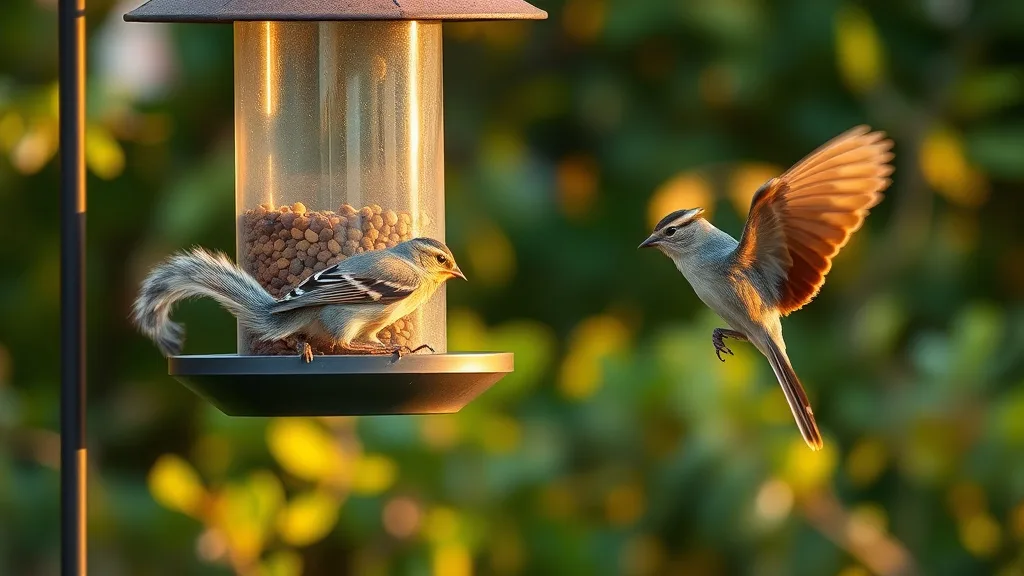
Keeping backyard bird feeders free from squirrels and other pests is a common frustration for birders who want to enjoy watching birds without the constant disruption from non-avian visitors. Squirrels can easily deplete feeders, scare away birds, and sometimes even damage equipment. Other pests like raccoons, rats, and insects can also become unwanted guests, impacting the health and safety of your backyard birds. This article will guide you through practical, ethical ways to minimize these nuisances so you can enjoy peaceful, successful bird feeding.
Understanding the Problem
Squirrels and pests are opportunistic feeders and highly adaptable. Their quick reflexes and intelligence allow them to overcome many simple deterrents. While it may be tempting to use aggressive tactics, such methods often disturb the bird population and can violate principles of ethical birding. Instead, using thoughtfully designed feeder setups combined with natural deterrents and maintenance routines lead to the best long-term results.
See also: 14. How to Keep Mold Out of Your Bird Feeder Without Harsh Chemicals
How to Keep Bird Feeders Free from Squirrels and Pests: Step-by-Step
1. Choose the Right Feeder Design
Not all bird feeders are created equal when it comes to pest resistance. Some feeders are specifically engineered to deter squirrels, often using weight-sensitive mechanisms or physical barriers.
- Weight-sensitive feeders: These close the feeding ports under the weight of a squirrel but remain open for lighter songbirds.
- Cage-style or “squirrel-proof” feeders: A metal cage surrounds the feeding ports, allowing birds to enter but barring larger animals.
- Tube feeders with small perches: Small perching areas and tight seed ports limit access for larger pests.
2. Proper Placement and Mounting
Placement is key in reducing unwelcome visitors:
- Mount feeders on smooth metal poles 5-6 feet high. Avoid wooden poles or trees that squirrels can easily climb.
- Use baffles or dome-shaped guards on poles, ideally placed 3-4 feet above or below the feeder. These physical barriers block squirrels from climbing.
- Keep feeders at least 10 feet away from launching points such as nearby trees, rooftops, or fences.
3. Use Physical Barriers and Deterrents
Add-ons to your setup can further reduce pest access:
- Pole baffles: Installed below feeders, these prevent squirrels from climbing upward.
- Spinning or swinging feeders: Movement can discourage heavier animals that need stable footing.
- Slippery coatings: Some birders apply a small amount of non-toxic slippery grease on poles.
4. Select Bird Seed Wisely
Certain seed types attract fewer pests:
- Black oil sunflower seeds – highly attractive to many bird species but also to squirrels.
- Nyjer/thistle seed – favored by finches and less appealing to squirrels.
- Safflower seed or safflower blends – squirrels often avoid these seeds, though some birds love them.
- Avoid using mixed seeds containing corn or peanuts, which tend to attract a broader range of non-target wildlife.
5. Avoid Feeding Pets or Leaving Excess Food
Spilled seed is a major attractant for pests like rats and ants.
- Use seed trays with catch pans to reduce spillage.
- Clean the area under feeders regularly.
- Avoid feeding pets in the same outdoor area to reduce leftover attractants.
6. Monitor and Maintain Cleanliness
- Remove old or damp seed that can mold.
- Rinse and clean feeders every 2-3 weeks with hot water and mild detergent to prevent disease.
- Regularly inspect for signs of pest damage.
7. Ethical Use of Deterrents
Playback calls and other startling noise makers may stress birds and other wildlife and can lead to habituation. Avoid using aggressive deterrents like poisons or traps that can harm wildlife indiscriminately.
Feeder Types Comparison: Which One is Best for Pest Control?
| Feeder Type | Pest Resistance | Ease of Cleaning | Bird Diversity Supported | Cost Range | Notes |
|---|---|---|---|---|---|
| Weight-sensitive feeders | High (closes for heavy pests) | Moderate (mechanisms inside) | High (many seed types) | Moderate to High | Requires occasional mechanical maintenance |
| Cage-style squirrel proof | High (physical barrier) | Easy | Moderate (larger birds) | Moderate | Cage limits some smaller bird species |
| Tube feeders with small ports | Moderate (depends on design) | Easy | High | Low to Moderate | Cheapest option but may require placement care |
| Platform feeders | Low (open access) | Easy | Very High | Low | Best for ground feeders but attracts rodents |
| Hopper feeders with baffle | High (with pole baffle) | Moderate | High | Moderate to High | Effective when combined with baffles |
Additional Tips and Considerations
Lighting and Time of Day
Refilling your feeders early in the morning allows birds to feed before pests become active. Also, turning on low-wattage garden lighting near feeders can deter nocturnal pests like raccoons.
Landscaping Tactics
Trim branches near feeders to minimize launch points. Consider planting pest-repellent plants like mint or using natural olive oil-based sprays around the base of poles.
Watch Your Local Regulations
Some jurisdictions have specific rules regarding wildlife feeding and pest control. Always check local ordinances before installing potential deterrents or setting up feeding stations.
Frequently Asked Questions
Q: Will peanut butter or suet feeders attract more squirrels?
A: Yes, while suet and peanut butter attract many birds, they are also highly attractive to squirrels and other pests. Use squirrel-proof suet cages and feeders designed to minimize access.
Q: Are feeding trays under feeders helpful or harmful?
A: Feeding trays can reduce seed spillage if designed correctly; however, they may also collect more spilled seed, attracting rodents and insects. Regular cleaning is essential to prevent this problem.
Q: Can motion-activated sprinklers or lights deter squirrels ethically?
A: Yes, these can be effective at deterring pests without harm, especially when positioned thoughtfully. However, check that birds are not startled or excluded by these devices.
By using the right combination of feeder design, placement, maintenance, and seed selection, you can significantly reduce squirrel and pest interference in your bird feeding experience. Patience and observation are key: every location is different, so adapt your strategy as you learn what works best in your backyard. Remember, ethical treatment of wildlife benefits all visitors to your garden—both feathered and otherwise.
Top Picks


Sponsored · From our family of brands
Phone Case Gift
Fun finds for every vibe.