
12. How High Should You Hang a Bird Feeder? (Height, Placement, and Window Strike Prevention)

By Robert Hale · Senior Editor
Published January 1, 2026 · Last reviewed May 12, 2026
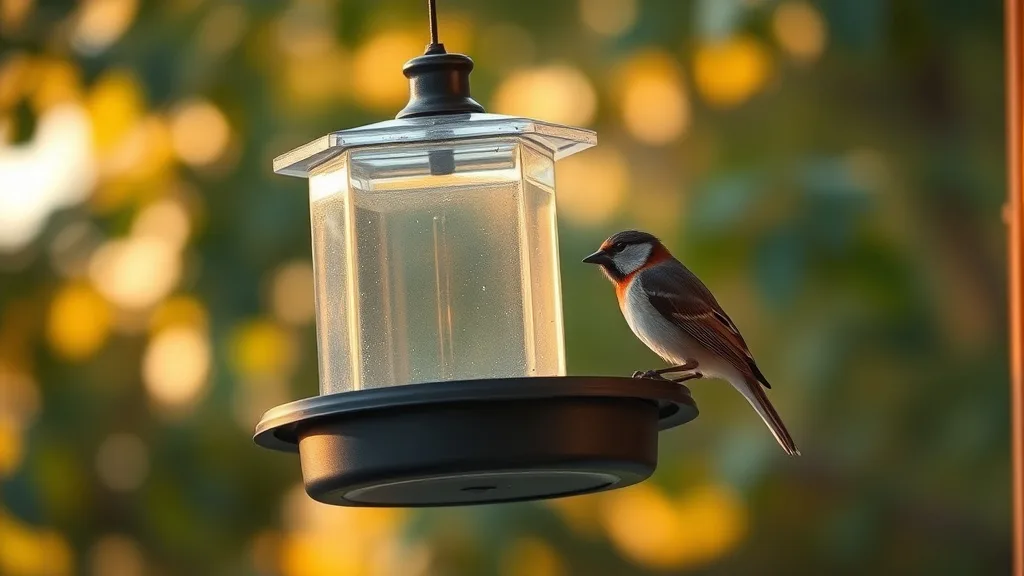
If you’ve put up a bird feeder in your yard and noticed sparse bird visits, frequent squirrel raids, or worrying near-misses with your windows, you’re probably wondering: how high should a bird feeder be hung to attract birds safely, keep pests at bay, and prevent window strikes? Getting the height and placement right is essential not only for a better birding experience but also for bird safety and ethical backyard birding.
Why Height and Placement Matter for Bird Feeders
Bird feeders aren’t just hanging snack bars; their location dramatically influences who visits, how often, and how safe the setup is for the birds. Hanging a feeder too high can deter smaller songbirds or make it harder for you to refill and clean. Too low, and you risk easy access for squirrels or predators, or worse, increased danger of window collisions.
Additionally, birds flying toward feeders from certain angles can inadvertently strike windows if feeders are positioned too close or at unsafe heights relative to glass panes, causing injury or death.
Balancing these factors requires understanding bird behavior, natural feeder preferences, and the common species in your backyard alongside practical homeowner considerations.
See also: Top Bird Feeders to Attract Colorful Backyard Birds Year-Round
Ideal Hanging Heights for Bird Feeders
1. Typical Heights for Different Feeders
- Seed feeders (tube or hopper types): 4 to 6 feet above ground is optimal. This height allows smaller birds like finches and chickadees easy access without exposing them excessively to predators. It’s also convenient for refilling.
- Platform/spread feeders: 5 to 7 feet high works well. These attract a wider diversity, including ground feeders such as doves and juncos, while still keeping them out of easy reach of common neighborhood cats.
- Suet feeders: Around 6 to 8 feet is typical because many woodpeckers and nuthatches prefer suet and feel safer off the ground.
- Hummingbird feeders: Usually hung 4 to 6 feet high as well, facilitating easy visibility and access, but can vary based on local predator presence.
2. Safety from Predators and Pests
Hanging feeders at least 5 feet high is generally recommended to reduce predation by neighborhood cats, raccoons, and other wildlife. Additionally, placing feeders away from branches or structures that squirrels can leap from (ideally 10 feet clearance horizontally) helps minimize unwanted visitors.
3. Window Strike Prevention
The risk of birds crashing into windows increases if feeders are too close or too low relative to glass surfaces. Birds often don’t recognize glass as a barrier, especially when attracted near feeders. Common guidance includes:
- Place feeders either less than 3 feet from windows or more than 30 feet away. Closer placements mean birds are less likely to build up speed before accidentally hitting glass.
- Hang feeders at or below the base height of windows to prevent birds flying at window level from misjudging distance.
- Use window decals or other visual deterrents if feeders are placed near large glass panes.
How to Hang a Feeder: Step-by-Step
Step 1: Choose your feeder type based on desired bird species (seed, suet, platform, hummingbird).
Step 2: Identify a spot 4-8 feet above ground, depending on feeder type and local environment.
Step 3: Ensure the feeder is 10 feet horizontally from structures or trees squirrels might jump from.
Step 4: Check window proximity and adjust to be under 3 feet or over 30 feet from glass surfaces.
Step 5: Mount the feeder at a height you can comfortably reach for refilling and cleaning.
Step 6: Consider the backdrop – a natural hedge or evergreen tree nearby offers birds cover without being so close as to risk predators.
Step 7: Confirm the mounting hardware can handle weather exposure and feeder weight.
Balanced Comparison Table: Height vs Placement Considerations
| Feature/Need | Height (Feet) | Placement Considerations | Outcome / Benefit |
|---|---|---|---|
| Accessibility for birds | 4-6 ft (seed); 6-8 ft (suet) | Away from launch points (branches, roofs) | Attracts intended bird species safely |
| Safety from predators | Minimum 5 ft | Clear 10-ft horizontal clearance from trees | Reduces predation and feeder raids |
| Window strike prevention | At or below window base or >30 ft away | Less than 3 ft from windows if unavoidable | Minimizes bird collisions with glass |
| Ease of human access | 4-6 ft | Mount where refilling/cleaning is comfortable | Encourages consistent feeding & hygiene |
| Weather exposure | Avoid extreme heat/sun reflection | Use shaded spots with airflow | Prevents feeder spoilage, bird distress |
| Multiple feeders | Vary heights to reduce competition | Avoid clustering near windows | More species diversity; less crowding |
Common Pitfalls and How to Avoid Them
- Hanging feeders too low: Invites predators and squirrels. Birds may feel vulnerable and avoid the feeder.
- Placing feeders right next to windows: Increases the chance of deadly window strikes. Use the distance guidelines above.
- Mounting feeders where external lights cause glare on windows: Confuses birds during dawn or dusk flights.
- Ignoring local bird species preferences: Not all birds prefer higher feeders; ground-feeding species need lower trays.
- Using playback or excessive noise near feeders: This stresses birds and goes against ethical birding principles. Rely on natural attraction.
When to Adjust Feeder Height
Seasonal changes might require adjustments:
- In winter, lower feeders can protect birds from colder winds.
- In summer, elevated feeders in shaded spots help birds avoid overheating.
- After observing bird activity and safety issues (e.g., predator attacks, fewer visitors), try moving the feeder incrementally and monitor changes.
Frequently Asked Questions
Q: Can I hang a feeder from a tree branch close to a window?
A: It’s best to avoid placing feeders within 3 to 30 feet of windows, especially from tree branches that create an obstacle for birds. If unavoidable, put decals on the window to reduce strikes.
Q: What height is best to keep squirrels off the feeder?
A: About 5-6 feet high and at least 10 feet away from any jumping-off point like trees or roofs is ideal; plus use baffles if squirrels are a persistent problem.
Q: Should I change feeder height based on bird type?
A: Yes. For example, hummingbird feeders work best around 4-6 feet, while platform feeders attracting doves or juncos might be slightly higher. Tailor heights to your garden’s bird community.
Setting your bird feeder at the right height and location not only draws in more feathered visitors but also promotes safer, more sustainable feeding habits. Observation plus small tweaks can improve the balance dramatically, letting you enjoy backyard birding with less worry.


