
Top Bird Feeders to Attract Colorful Backyard Birds Year-Round

By Robert Hale · Founder & Field Editor, BirdLedger
Published January 1, 2026 · Last reviewed May 12, 2026
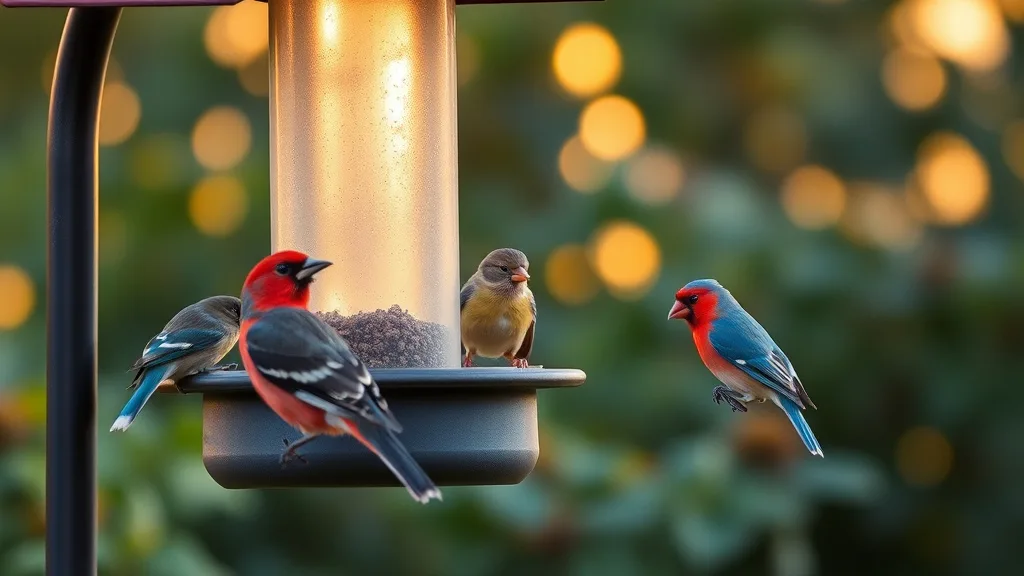
Attracting colorful birds to your backyard year-round can be a rewarding but sometimes challenging endeavor. Many birders find that standard feeders either attract mostly common species or fail to retain visitors through seasonal changes. Choosing the right bird feeder, combined with the right seed and placement strategy, is essential to enjoy a vibrant, diverse bird population throughout the year without disturbing them or inviting unwanted pests.
What Makes a Bird Feeder Effective for Colorful Birds Year-Round?
To attract a variety of colorful backyard birds across seasons, your feeder must meet several practical criteria beyond just aesthetics:
- Optics Quality: Clear visibility and good vantage points allow birds to feel safe when feeding and enable you to enjoy close views.
- Glassing Distance: The feeder should be positioned within a sweet spot from your viewing station (window or deck) to appreciate the bird’s colors without disturbing them.
- Low-Light Usability: Many colorful birds are most active during dawn, dusk, or overcast days; feeders that work well under these conditions enhance your viewing satisfaction.
- Weather Resistance: Year-round feeders must withstand rain, snow, and wind without spoiling seed or deterring birds.
- Ethical Considerations: Avoid feeders that cause frequent bird flushing or encourage behaviors like over-reliance on playback calls, which disrupt natural patterns.
With this framework in mind, let’s explore top feeder designs and features that support attracting and sustaining colorful bird species through all seasons.
See also: 23. [SPECIES: indigo bunting] How to Attract Indigo Buntings — The One Feeder
Top 5 Bird Feeders to Attract Colorful Birds Year-Round
1. Seed Tube Feeders with Multiple Ports
Best for: Finches, chickadees, nuthatches, and sparrows.
Why: These feeders provide multiple feeding ports, which reduce competition and allow several birds to feed simultaneously. Clear tubes provide good visibility for the birds and birders alike. When filled with a blend like nyjer seed, these attract vibrant finches that are colorful in both summer and winter.
Weather Resistance: Look for perch guards and weather caps to keep seed dry in rain or snow.
Ethics: Position away from heavy traffic areas to reduce bird stress.
2. Tray Feeders with Roofs
Best for: Cardinals, jays, buntings, and grosbeaks—birds that prefer perching while feeding.
Why: The open tray allows birds with larger beaks to easily access seeds, while a roof offers protection from elements. Seed blends including sunflower seeds and cracked corn draw in species with striking plumage. The larger feeding surface invites a social atmosphere without aggressive dominance.
Weather Resistance: Roofs prevent seed spoilage; raised trays avoid ground moisture.
Ethics: Monitor feeding so dominant birds don’t monopolize.
3. Suet Feeders
Best for: Woodpeckers, nuthatches, wrens, and chickadees.
Why: Suet is a high-energy, year-round favorite, especially attractive in colder months when insects are scarce. Many colorful birds frequent suet feeders for a supplementary food source. Wire cages ensure proper air circulation to keep suet from getting soggy.
Weather Resistance: Choose sturdy cages with covers to block rain.
Ethics: Place feeders where they minimize predation risk by cats or squirrels.
4. Nectar Feeders
Best for: Hummingbirds and orioles—feathers with iridescent, vibrant colors.
Why: Nectar attracts these specialized feeders, and when placed strategically near flowering native plants, your chances of year-round visitation improve. Clear feeders with perches and protective bee guards ensure easy access without competition from insects or larger birds.
Weather Resistance: Must be cleaned regularly to prevent fermentation and mold, especially in warm months.
Ethics: Avoid overuse of brightly colored feeders that might lure too many birds unnaturally.
5. Mixed Food House Feeders
Best for: Versatile attractor for a broad range of colorful species including finches, cardinals, and jays.
Why: These often have separate compartments for different seed types, suet, or mealworms. This variety supports diverse dietary needs throughout the year, encouraging visits regardless of seasonal changes in natural food availability.
Weather Resistance: Enclosed or semi-enclosed designs protect feed from weather and pests.
Ethics: Regular cleaning and careful placement prevent disease spread.
Comparison Table of Bird Feeders for Colorful Backyard Birds
| Feeder Type | Best Bird Types | Weather Resistance | Visibility for Birding | Maintenance Level | Seasonality Effectiveness | Ethical Considerations |
|---|---|---|---|---|---|---|
| Seed Tube Feeder | Finches, Chickadees | High with weather cap | High | Medium | Year-round | Avoid crowding & distress |
| Tray Feeder | Cardinals, Jays | Moderate with roof | High | Medium | Spring/Fall/Winter | Watch for aggressive species |
| Suet Feeder | Woodpeckers, Wrens | High with cage and cover | Medium | High (cleaning) | Fall/Winter/early Spring | Minimize predation risks |
| Nectar Feeder | Hummingbirds, Orioles | Moderate (needs cleaning) | High | High (cleaning) | Spring/Summer | Avoid over-reliance & insect jams |
| Mixed Food House | Overall colorful diversity | High enclosed design | Medium | Medium | Year-round | Regular cleaning essential |
How to Maximize Success With Your Feeder Setup
-
Choose feeder placement carefully. Position feeders near cover like bushes or trees, but not so close that birds fear hidden predators. Ideal distances to your window or bird-watching spot range from 10 to 30 feet for good optics and minimum disturbance.
-
Rotate seed types seasonally. Use higher-energy seeds in winter (sunflower, safflower) and more mixed blends or nyjer in warmer months to match birds’ preferences and nutritional needs.
-
Maintain cleanliness rigorously. Dirty feeders spread disease and turn birds away—you must clean feeders every 1-2 weeks, more often if weather is warm or feeders are busy.
-
Enjoy low-light moments. Early mornings and late afternoons reveal many colorful species feeding. Use binoculars or spotting scopes with good low-light performance to observe subtly.
-
Respect bird behavior and ethics. Do not flush birds repeatedly by approaching too closely. Avoid playback calls to lure birds unnaturally to feeders. Encourage natural feeding patterns to support healthy bird populations.
Frequently Asked Questions
Q: Can I use the same seed mix year-round to attract colorful birds?
A: While some seeds work all year, like black-oil sunflower, adjusting your mix seasonally maximizes attractiveness and nutrition, as birds’ dietary needs change.
Q: How close should I place feeders to my viewing spot?
A: Aim for at least 10 feet away to avoid startling birds, but within 30 feet for clear viewing with binoculars or glass instruments.
Q: What’s the best way to prevent squirrels or pests from raiding feeders?
A: Use squirrel-proof feeders, baffles, and place feeders away from launching points like nearby trees. Also, avoid ground seed spills by focusing on covered feeders.
By matching your feeder type, seed choice, and placement to your local bird species and seasonal rhythms, you can build a vibrant, colorful backyard bird community that delights year-round and respects their natural behaviors.
Top Picks


Sponsored · From our family of brands
Phone Cases For All
Cases that match your energy.