
Using Color Patterns to Identify Female and Male Backyard Birds

By Robert Hale · Senior Editor
Published January 1, 2026 · Last reviewed May 12, 2026
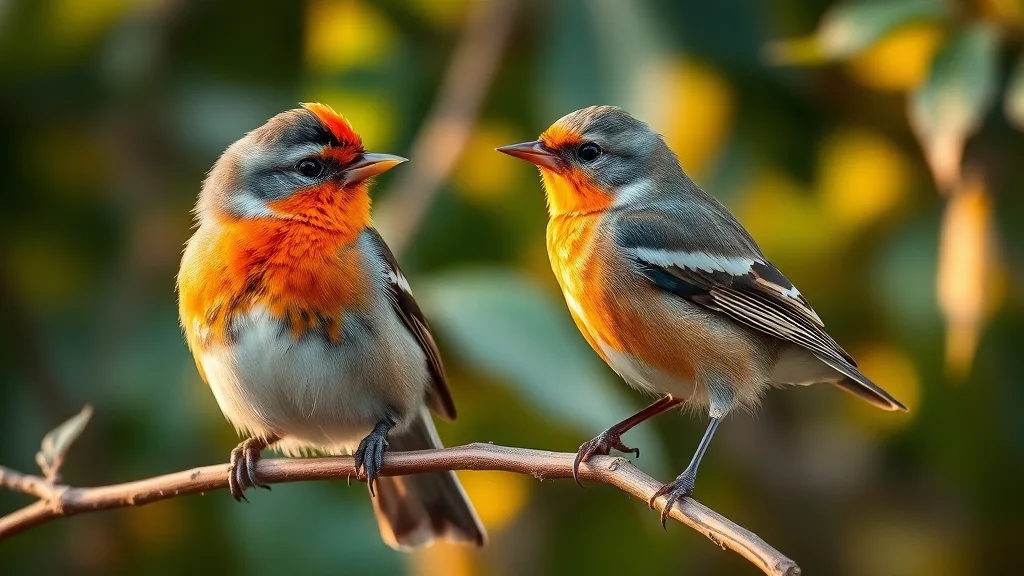
Using Color Patterns to Identify Female and Male Backyard Birds
Many backyard birders find themselves puzzled when trying to tell male and female birds apart. While some species exhibit obvious differences in color and markings, others are more subtle or even nearly identical. Knowing how to interpret color patterns is a key skill for backyard birding enthusiasts who want to enhance their observations and better understand bird behavior.
This guide explains the basics of sexual dimorphism in bird plumage, shows you how to use color patterns as reliable clues for identification, and offers tips to avoid common mistakes. We’ll also cover how lighting, molt cycles, and habitat influence what you see, so you can confidently distinguish male and female backyard birds during your daily nature sessions.
See also: Planting Native Flowers to Support Backyard Bird Populations
What Sexual Dimorphism Means in Backyard Birds
Sexual dimorphism refers to physical differences between males and females of the same species. In birds, these differences often occur in plumage coloration and patterning. Males typically display brighter, more vivid colors used to attract mates and defend territory, while females tend to have more muted tones for camouflage, especially during nesting.
For example:
- Male Northern Cardinals are bright red with sharp black masks.
- Female Cardinals are mostly brownish with subtle warm red highlights.
Not all species show strong sexual dimorphism. Some birds like many warblers or sparrows look almost identical between sexes, requiring additional clues such as size or behavior to differentiate.
Common Sexual Dimorphism Patterns
| Pattern Type | Description | Example Species |
|---|---|---|
| Bright males, dull females | Males have vividly colored plumage; females are camouflaged | Northern Cardinal, Painted Bunting |
| Distinct male markings | Males possess unique markings like crests or colored patches | American Goldfinch, Eastern Bluebird |
| Monomorphic (no dimorphism) | Males and females look alike | American Robin, Mourning Dove |
Understanding these patterns helps you know what to expect when observing species in your backyard.
How Color Patterns Help Identify Male vs Female Birds
When you see a bird through your binoculars or spotting scope, here are practical visual clues involving color patterns to help differentiate sexes:
1. Overall Brightness and Saturation
Males generally have brighter, more saturated plumage colors. For instance, the male House Finch shows vibrant red on the head and chest, whereas females are mostly gray-brown with little to no red tint.
Tip: Using quality optics with good light-gathering ability helps reveal subtle color differences, especially in low light or shaded conditions.
2. Contrasting Markings and Facial Patterns
Look for distinctive markings like eye rings, throat patches, or wing bars that are more pronounced in males. For example, male Dark-eyed Juncos often have a cleaner white belly combined with a sharply outlined head, while females appear duller and more blended.
3. Color Location on the Body
Sometimes the location of color matters significantly. A bird may have similar colors overall, but males display color patches on specific parts like the crown, flanks, or tail that females lack or show faintly.
4. Seasonal Plumage Changes
Males often molt into bright breeding plumage, while females may retain more cryptic colors year-round. For example, male American Goldfinches turn bright yellow in spring and summer, but become duller during winter. Females stay more olive-brown consistently.
Using Lighting and Distance Wisely
- Early morning or late afternoon light can enhance color visibility, but avoid harsh midday sun that may wash out colors.
- Pay attention to the bird’s posture and head angle; some colors appear differently depending on feather alignment.
Practical Comparison: Color Patterns in Common Backyard Birds
| Species | Male Color Patterns | Female Color Patterns | Best Field Marks for ID |
|---|---|---|---|
| Northern Cardinal | Bright red with black face mask | Brownish-tan with some red tinges | Male’s bright red breast and crest |
| American Goldfinch | Vivid yellow body with black wings and tail | Olive-yellow with duller wings | Males bright breeding plumage in spring |
| House Finch | Red head and chest | Mostly gray-brown | Red coloration intensity on male head |
| Eastern Bluebird | Bright blue back, orange throat and breast | Pale blue-gray back, lighter orange breast | Male’s vivid blue upperparts |
| Song Sparrow | Streaked brown with reddish wings | Similar to male, slightly duller | Look for behavior and subtle color warmth |
| Mourning Dove | Pale gray-brown, minimal differences | Both sexes similar appearance | Size and posture guide sex ID |
When to Use Color Pattern Identification in the Field
- During Breeding Season: Males are at peak brightness, making differences clearer.
- When Observing Behavioral Displays: Males often show off colorful patches during courtship.
- In Direct Sunlight or Good Visibility: Better lighting helps reveal distinct plumage details.
- For Species with Known Sexual Dimorphism: Like cardinals or goldfinches, reliance on color is reliable.
Remember that color pattern identification is most effective when combined with bird size, shape, and behavior observations.
Common Pitfalls and How to Avoid Them
1. Confusing Juveniles with Females
Juvenile birds often have duller plumage that resembles the female of the species. This can lead to misidentifying a young male as a female. Look for size differences, behavior, or subtle hints such as emerging bright feathers in molt.
2. Over-Reliance on Photographs
Photos may not reproduce colors accurately, especially via digital compression or lighting issues. Field observations through good optics should take priority.
3. Ignoring Molt and Seasonal Changes
Birds may look very different between breeding and non-breeding seasons. Males may appear dull in winter, making differentiation harder. Take note of the time of year.
4. Using Playback or Flushing to Confirm Sex
Ethically, avoid disturbing birds with excessive playback or flushing to provoke responses. Identification should rely on observation, not causing stress to wildlife.
Tips for Ethical and Effective Bird Identification
- Use binoculars with at least 8x magnification and high-quality glass for clarity.
- Be patient. Often, you’ll get better views as the bird moves or changes posture.
- Take notes or sketch field marks and colors as you see them.
- Respect birds’ space; keep quiet and avoid sudden movements.
- Use plumage cues alongside behavior, song (careful with playback), and location for the best ID calls.
Summary Table: Key Color Pattern Clues for Sex ID in Backyard Birds
| Clue | Male Birds | Female Birds | Notes |
|---|---|---|---|
| Brightness/Saturation | Brighter, richer colors | Duller, more muted or camouflaged colors | Most reliable in breeding season |
| Distinct Markings | Clear facial masks, wing bars, or contrasting patches | Often faint or absent | Look closely at head and wing regions |
| Patch Location | Unique colored patches on crown, flanks, or tail | May show faint or no patches | Location important for species |
| Molt and Seasonal Changes | Vivid breeding plumage, fades in non-breeding seasons | Less seasonal variation | Know the time of year |
Frequently Asked Questions
Q: What if male and female birds have almost identical color patterns?
A: In species with little to no sexual dimorphism, use size differences, behavior, vocalizations, or breeding roles to help tell sexes apart.
Q: Can lighting conditions really change how colors appear?
A: Yes. Bright sunlight, shade, and angle of viewing affect how plumage colors show, so always try to observe birds from multiple angles and in good light.
Q: How can I avoid disturbing birds while trying to identify their sex?
A: Observe quietly from a distance using binoculars, do not use excessive playback or flush birds from perches, and allow birds to behave naturally without interference.
By paying attention to subtle and obvious color patterns, and combining these visual clues with good optics and ethical birding practices, you’ll quickly improve your ability to identify male and female backyard birds. This adds depth to your birding experience and helps foster greater appreciation for the natural world around your home.


