
Using a Field Guide Effectively for Backyard Bird Identification

By Robert Hale · Senior Editor
Published January 1, 2026 · Last reviewed May 12, 2026
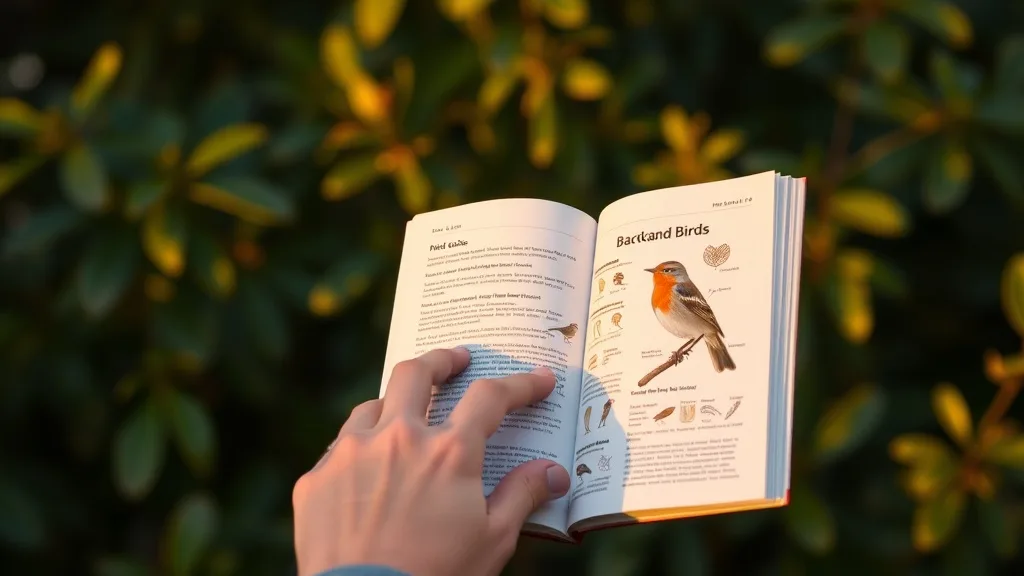
Using a Field Guide Effectively for Backyard Bird Identification
Anyone who regularly watches birds in their backyard knows the frustration of spotting a fast-moving or partially hidden bird and then struggling to put a name to it. Field guides are valuable tools in these moments, but many birders stumble when trying to use them efficiently. This article breaks down how to get the most from your birding field guide, improving your identification skills and enjoyment of backyard birdwatching.
What Is a Bird Field Guide?
A bird field guide is essentially a reference book or app that compiles images, descriptions, ranges, and behaviors of different bird species. Guides vary from compact pocketbooks intended for quick looks to detailed volumes covering an entire continent’s avifauna.
The typical field guide includes:
- Photographs or detailed illustrations of birds
- Descriptions of plumage, size, shape, and distinctive features
- Maps showing where different species are commonly found
- Notes on habitat, calls, and habits
How to Use a Field Guide for Backyard Bird Identification
Using a field guide effectively involves more than flipping through pages; it demands an understanding of how to focus your observation and match key characteristics systematically. Here are practical steps to follow:
1. Observe First, Then Open the Guide
Spend a couple of minutes actually watching the bird without trying to identify it immediately. Take mental notes on:
- Size relative to familiar birds (e.g., smaller than a robin, larger than a sparrow)
- Color patterns (such as a bright wing patch or colored throat)
- Shape and posture
- Behavior (flitting in bushes, hopping on the ground, soaring overhead)
- Sounds or calls, if possible
Avoid flushing or disturbing the bird by moving unnecessarily or using playback.
2. Narrow Down by Size and Shape
Once you open your guide, start by identifying your bird’s approximate size and body shape category:
| Size | Typical Species Examples |
|---|---|
| Small | Sparrows, finches, warblers |
| Medium | Robins, thrushes, jays |
| Large | Hawks, crows, woodpeckers |
This helps reduce dozens or hundreds of species to a manageable list.
3. Match Key Field Marks
Focus on distinctive field marks rather than exact coloration, which can vary by age, season, or lighting. Look for:
- Wing bars or tail patterns
- Eye rings or stripes
- Bill shape and color
- Unique plumage patches (e.g., a red crown or yellow belly)
Pay attention to any seasonal plumage notes in the guide.
4. Consider Habitat and Seasonal Range
Check if the bird is commonly found in your backyard environment and your region during the current season. Many guides include maps or tables outlining breeding, migrating, and wintering ranges.
5. Use the Bird’s Call or Song as Confirmation
If you hear the bird, many guides provide descriptions or transcriptions of common calls. Using sound together with visual cues greatly increases accuracy.
6. Take Notes or Photos for Later Verification
If identification is tricky, note the date, location, and features observed or take a photo through your binoculars or camera for study later. Some birders maintain a log to track progress.
Comparison: Field Guide Types for Backyard Birders
| Feature | Printed Book Guide | Digital/ App Guide | Pocket Field Guide |
|---|---|---|---|
| Portability | Moderate (often heavy) | Very high (phone/tablet) | Very high |
| Search Speed | Depends on familiarity | Fast, can use filters | Moderate |
| Image Type | Illustrations/photos | Typically photos + sound | Illustrations |
| Range Data | Static, fixed maps | Often interactive/updates | Static |
| Sound Playback | No | Yes | Rarely |
| Battery Power Dependent | No | Yes | No |
| Ease of Use for Beginners | Moderate | High | Moderate |
| Cost | Moderate to high | Free to moderate | Low to moderate |
When to Rely on Your Field Guide
- New species or rare sightings: When you encounter a bird you aren’t yet familiar with, a field guide is essential.
- Confirming guesses: If you think you’ve identified a bird by sight or sound, verify details for accuracy.
- Learning patterns: Over time, guides help you internalize identifying marks and behaviors.
Common Pitfalls and How to Avoid Them
- Rushing identification: Quick guesses based on a single color patch or fleeting look often lead to mistakes. Patience improves accuracy.
- Ignoring habitat cues: Birds are often very particular about where they feed or nest; ignoring this wastes valuable clues.
- Over-reliance on photography: Some photos show juvenile or non-breeding plumages that differ greatly, so cross-reference descriptions.
- Flooding birds with playback: Ethical birding means using playback sparingly to avoid stressing birds or causing them to flee.
- Neglecting lighting conditions: Poor light can alter perceived colors. Try to get a good viewing angle before deciding.
Ethics Reminder for Backyard Birding and Field Guide Use
Always respect your feathered neighbors:
- Approach quietly and avoid startling them.
- Use optics and guides as tools to aid observation, not to disturb birds.
- Avoid playback or other lures that might cause distress unless it is for legitimate conservation or scientific purposes and conducted responsibly.
Frequently Asked Questions
Q: Can I use the same field guide for all seasons?
A: Many field guides cover year-round species and seasonal plumage changes, but supplementing with seasonal checklists or apps can help track migration arrivals and departures.
Q: How do I identify similar species with subtle differences?
A: Focus on multiple field marks and behaviors rather than a single feature. Use range, habitat, and call recordings as additional clues.
Q: Should I carry a digital guide, paper book, or both?
A: It depends on your preference and birding context. Digital guides offer convenience and sound playback but rely on batteries. Paper guides are reliable and often easier to annotate but less flexible. Many backyard birders find having both is ideal.
By learning to use your field guide methodically and ethically, you’ll find backyard bird identification less frustrating and much more rewarding. Keep practicing, and soon many birds will become familiar friends instead of fleeting mysteries.
See also: Understanding Backyard Bird Behavior to Improve Identification Skills


