
Understanding Backyard Bird Behavior to Improve Identification Skills

By Robert Hale · Senior Editor
Published January 1, 2026 · Last reviewed May 12, 2026
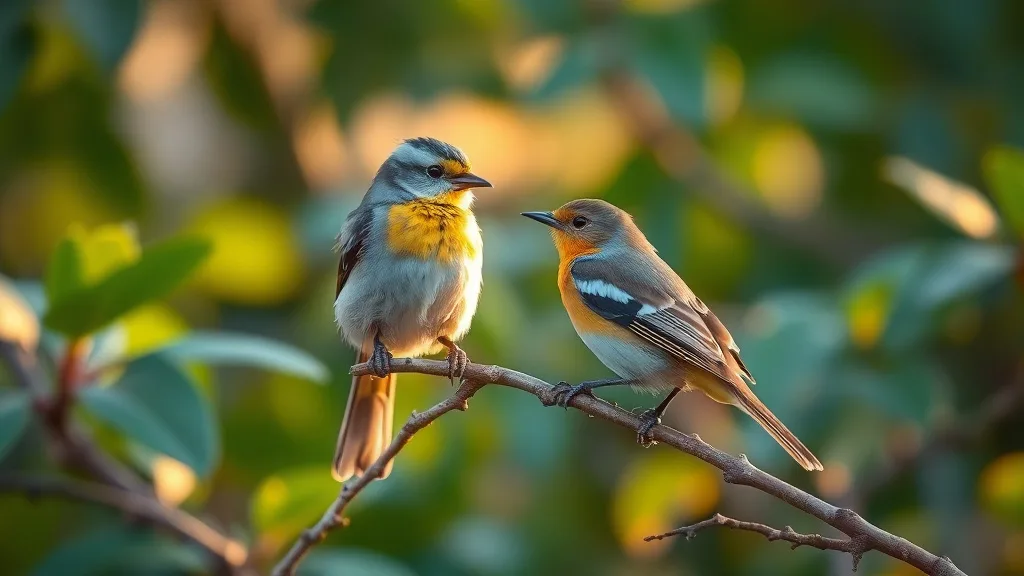
Backyard birding is a rewarding hobby, but many birders struggle with reliably identifying species despite having good optics and field guides. The problem often isn’t the tools—it’s missing subtle behavioral cues and patterns that can solidify species recognition in real time. To get beyond fleeting glimpses, you need to understand how birds behave in your yard: their foraging styles, flight patterns, vocal habits, and responses to environmental changes. This article breaks down how a closer attention to backyard bird behavior can sharpen your identification skills, making your birding more precise and enjoyable.
What Is Backyard Bird Behavior?
Backyard bird behavior encompasses the actions, habits, and routines that birds display regularly while feeding, communicating, nesting, or simply moving through your property. Unlike plumage, which can vary with age, season, or light conditions, behaviors tend to be more consistent and species-specific. Examples include:
- Feeding style (ground foraging vs. clinging to bark)
- Flight approach and wing beats
- Vocalization patterns and calls
- Interaction with other birds (territory defense, flocking)
- Response to human presence or disturbances
Knowing these behaviors adds a new layer of clues beyond appearance—especially useful when lighting or partial concealment make color and shape hard to interpret.
See also: Using a Field Guide Effectively for Backyard Bird Identification
How Understanding Behavior Enhances Identification
Birds are creatures of habit, and their behavior can act as a “fingerprint” in the field. Here’s why paying attention to behavior helps you ID birds more accurately:
- Compensates for poor viewing conditions: In low light or at a distance, subtle plumage details are hard to detect. Recognizing a characteristic movement or feeding tactic can confirm species even when you can hardly see colors.
- Distinguishes look-alike species: Several backyard birds share similar shapes or sizes—behavioral traits help tease them apart. For example, a sparrow species that exclusively hops on the ground differs in stance and motion from one that clings upright to tree bark.
- Builds long-term recognition skill: Behavioral clues become automatic over time, reducing the need for zooming into field guides or photos mid-watch and improving real-time ID confidence.
- Ethical birding: Knowledge of natural behaviors helps avoid disturbing birds by anticipating their reactions rather than relying on playback or flush tactics.
Key Backyard Bird Behaviors to Observe
Here are some common behavioral traits that backyard birders should routinely look for, along with examples and what they indicate about species or groups.
| Behavior Category | Description | Example Species | Identification Tip |
|---|---|---|---|
| Foraging Style | How and where the bird searches for food | Woodpeckers, Sparrows | Woodpeckers cling vertically; sparrows scratch the ground. Look for tail flicking or hanging upside down. |
| Flight Pattern | Wingbeat style, speed, and flight shape | Finches, Warblers | Finches have bouncy flight; warblers dart quickly with rapid wing flicks. |
| Vocalizations | Song rhythm, call types, volume | Thrushes, Chickadees | Thrushes have melodious songs; chickadees’ calls are sharp “chick-a-dee” notes, helping separate similar species. |
| Social Behavior | Flocking, territorial displays, or solitary | Crows, Cardinals | Crows often gather and mob predators; cardinals are territorial and sing persistently to defend territory. |
| Human Interaction | Response to human presence and feeder types | Various | Some species prefer feeders; others forage on the ground or avoid humans, influencing where and how you spot them. |
Practical Steps to Integrate Behavior into Your Birding
To actively improve your identification skills using behavior, follow these five practical steps:
1. Start Observing Consistently
Make it a habit to watch how birds behave as much as what they look like. Spend time quietly observing birds at feeders, on nearby trees, or open ground. Take note of movements, feeding tactics, and social interactions.
2. Use Optics to Study Posture and Motion
High-quality binoculars or a spotting scope help you see behavioral details like tail flicks, head bobs, or feeding methods that the naked eye often misses. Avoid rushing to ID from poor views; glassing patiently is key.
3. Compare Similar Species Head to Head
When you see two similar-looking birds—for example, different sparrows or warblers—focus on differences in their behavior as you scan. This practice builds muscle memory for recognizing species based on habits.
4. Leverage Audio Learning
Record or use apps to listen carefully to bird calls and songs. Match vocal patterns to behaviors such as perching location or singing posture to reinforce your skills.
5. Respect Ethical Birding Guidelines
Avoid stressing or flushing birds to force better views. Instead, allow birds to act naturally and watch quietly from a distance. Playbacks should be used sparingly and only in ethical contexts (never repeatedly or excessively). Observing natural behavior yields more genuine learning.
Typical Behavioral Pitfalls to Avoid for Backyard Birders
- Assuming all birds at feeders behave the same: Different species have distinct feeder preferences and behavioral rhythms, so diversifying where and when you watch is important.
- Overlooking subtle but reliable cues: Small things like tail movement, head posture, or approach angle can be more diagnostic than you realize.
- Relying solely on plumage: Lights, molting, and distance often fool viewers, so don’t ignore behavior as a complementary clue.
- Disturbing birds to get a ‘better look’: Flushing birds ruins natural behavior and may cause harm over time; patience yields better long-term study results.
When Behavior Observation Matters Most
Behavioral clues are especially critical in these scenarios:
- Early morning or late evening: Low-light conditions make color details less visible, but you can often spot feeding styles or movement patterns.
- Migration periods: Many similar species pass through backyards, and behavior helps separate transient warblers or sparrows.
- Fledgling spotting: Young birds often differ in plumage from adults, so observing feeding, begging, and flight helps confirm their family or species.
- Identifying quietly perched or partial views: Behavior like subtle head turning, tail flicks, or specific calls can clinch an ID when the bird is otherwise obscured.
Behavior Versus Plumage: A Quick Comparison
| Feature | Behavioral Clues | Plumage Clues | Practical Outcome |
|---|---|---|---|
| Consistency | Usually stable and species-specific | May vary by age, sex, season | Behavior more reliable for ID |
| Visibility range | Can be seen at considerable distance | Requires close range and good lighting | Behavior helps ID in tough light or distance |
| Impact of lighting | Less affected by shadows or glare | Colors distorted by sunlight angles or shading | Behavior aids in low-light situations |
| Ethical Impact | Encourages minimal disturbance | May tempt bird flushing | Behavior promotes ethical birding |
| Learning curve | Takes time to recognize and interpret | Easier to memorize at first | Combining both leads to confidence |
Final Thoughts
Integrating behavior study with optics and plumage observation is the key to reliably identifying backyard birds. Instead of focusing solely on quick glimpses of color and shape, start watching how birds act in your yard and what environments they prefer. Over time, this balanced approach builds rewarding skill and deeper respect for your backyard visitors.
Frequently Asked Questions
Q: Can behavior alone guarantee bird identification?
A: Behavior is a powerful clue but works best combined with plumage and vocalization. Sometimes behavior overlaps between species, so use it with other features.
Q: How can I learn vocalizations without disturbing birds?
A: Use bird call apps or audio guides to practice at home, then match calls to natural sightings without playback. Recording quietly during natural encounters is also effective.
Q: What if different birds show overlapping behaviors?
A: Look for multiple behavioral traits and combine with visual clues for certainty. Over time, you’ll learn subtle differences that separate similar species.


