
Tips for Using Zoom Lenses to Photograph Distant Backyard Birds

By Robert Hale · Senior Editor
Published January 1, 2026 · Last reviewed May 12, 2026
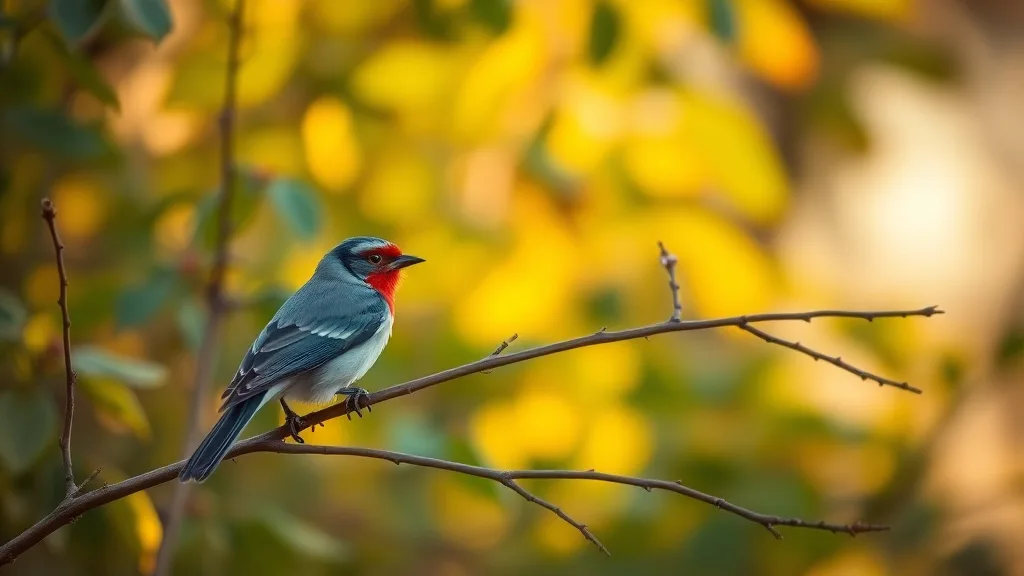
If you’ve ever struggled to capture sharp, well-composed photos of distant birds in your backyard, you know how tricky it can be. Birds rarely hold still, and without the right approach, your zoom lens shots might come out blurry, poorly framed, or fatally noisy from high ISO settings. This article provides practical tips for using zoom lenses effectively to photograph those elusive birds perched far away, turning your backyard bird photography from guesswork into rewarding results.
What Is a Zoom Lens in Bird Photography?
A zoom lens lets you vary your focal length, allowing you to “zoom in” closer to distant subjects without moving physically closer. For backyard birding, typical zoom lenses fall in the range of 100mm to 600mm focal lengths. Shorter focal lengths capture wider scenes but make distant birds appear small; longer focal lengths magnify distant birds but can be harder to keep steady and often require faster shutter speeds.
Zoom lenses are valued for their versatility: they let you quickly change framing as birds move without changing lenses. However, quality varies greatly—optics, maximum aperture, autofocus speed, and weather resistance all affect results.
See also: How to Photograph Birds in Flight in Your Backyard Successfully
How Zoom Lenses Work with Backyard Birds
Zoom lenses use complex groups of glass elements inside to change the focal length smoothly. This flexibility lets you photograph birds as they move around your yard—from feeders and perches close up to branches or treetops further away. Because you don’t have to physically move or carry multiple lenses, zoom lenses keep disruptions to birds to a minimum, respecting ethical birding practices.
However, zoom lenses often compromise in optics compared to prime telephoto lenses, potentially producing softer images, chromatic aberrations, or heavier, bulkier lenses that are challenging in handheld use.
When to Use Zoom Lenses for Backyard Birds
Use zoom lenses when:
- Birds are moving in and out of different distances.
- You want a less intrusive setup without getting too close.
- You want to capture both wide environmental portraits and tight headshots quickly.
- You have limited space from your window or yard setup.
- You expect variable lighting and weather conditions and want flexible framing options.
Zooms paired with good camera settings and proper technique make distant birds approachable targets with rewarding detail.
Practical Tips for Using Zoom Lenses to Photograph Backyard Birds
1. Prioritize Optics Quality over Extreme Zoom Range
Avoid the temptation to buy the longest zoom available without considering optics quality. A sharp 300mm f/4 lens often produces better bird photos than a mediocre 600mm f/6.3 super-zoom. Look for lenses with reputation for sharpness, good autofocus, and good control of chromatic aberration, especially towards the long end of the zoom.
2. Use a Tripod or Monopod to Steady Your Shots
Longer focal lengths magnify camera shake substantially. Unless you have in-body image stabilization (IBIS) or lens stabilization, a tripod or monopod is an essential accessory. It helps keep your image steady, allowing slower shutter speeds and reducing the chance of blurry photos.
3. Shoot in Good Light to Minimize ISO and Maximize Sharpness
Zoom lenses often have smaller maximum apertures at longer lengths, reducing the light hitting your sensor. Morning or late afternoon light provides softer, more directional lighting and usually better visibility of small details like feathers. In low light, your camera will raise ISO, causing grain that degrades image quality.
If low light is unavoidable, prioritize faster shutter speeds to freeze motion and prevent blur.
4. Know Your Maximum Effective Distance and Zoom Limits
Test your lens to find the maximum distance at which you can still reasonably separate a bird from the background and maintain detail. Zoom beyond optical limits too much (digiscoping or digital zoom) degrades quality significantly.
Stay within the sweet spot of your lens’s zoom power, and plan your photography setup accordingly.
5. Master Autofocus Modes for Moving Subjects
Use continuous autofocus (AF-C) for birds in motion, and single autofocus (AF-S) for perched or stationary birds. Many zoom lenses and cameras offer selectable focus points—focus on the bird’s eye or head for better sharpness in critical areas.
6. Avoid Flash and Playback in Backyard Bird Photography
Flashing or playing bird calls through speakers to attract birds at longer distances can stress or disturb them, violating ethical birding practices. Instead, observe quietly and wait patiently with your zoom lens ready to capture natural behaviors.
7. Adjust Exposure Compensation When Zooming In
Telephoto zoom lenses can trick your camera’s metering system, especially with bright backgrounds or backlighting. As you zoom in, adjust exposure compensation manually if images appear too dark or bright. Reviewing histogram data on your camera helps ensure balanced exposure.
8. Use Manual Focus as a Backup in Challenging Conditions
When autofocus struggles due to branches or low contrast, switch briefly to manual focus. This can help lock onto a specific bird, especially in dense foliage or during backlit conditions.
Comparison Table: Common Zoom Lens Attributes for Backyard Bird Photography
| Feature | Moderate Zoom (100-300mm) | Super Zoom (400-600mm) | Prime Telephoto (Fixed 400-500mm) |
|---|---|---|---|
| Usability/Weight | Lightweight, easy to handhold | Heavy, benefits greatly from tripod/monopod | Often heaviest, tripod mandatory |
| Optical Quality | Generally sharper, less aberration | Can degrade at long end, chromatic aberration | Typically highest sharpness and contrast |
| Minimum Aperture | Often f/4-f/5.6 | Often f/5.6-f/6.3 | Often bright f/4 or better |
| Flexibility | Good for mixed distances, wide-angle shots | Great for distant bird details | Fixed framing, less versatile |
| Price Range | Moderate | Often Mid to high | Usually highest, premium-tier |
| Typical Use-Cases | Close yard birds, feeder shots, quick framing | Distant perches and birds in large yards | Serious dedicated birding and competition |
Common Pitfalls to Avoid
- Overzooming without stabilization: Handholding a lens above 300mm without support often leads to unusable blurry images.
- Ignoring weather sealing: Backyard birding is outdoors; buy or protect lenses from moisture, dust, and temperature changes.
- Chasing rare birds with playback: Resist temptation to disturb birds for a photo. Focus on ethical birding for sustainable enjoyment.
- Neglecting background and composition: Zoom lenses can isolate birds, but cluttered backgrounds ruin shots. Adjust your position or zoom length for clean settings.
- Relying heavily on digital zoom: Always zoom optically. Digital zoom reduces resolution and image quality drastically.
Frequently Asked Questions
Q: Do I always need a tripod when using a zoom lens?
A: While not always mandatory, a tripod or monopod is highly recommended for focal lengths over 300mm to eliminate camera shake and improve sharpness.
Q: Can I photograph birds effectively on cloudy days?
A: Yes, overcast lighting can reduce harsh shadows, but be mindful of lower light levels; compensate with higher ISO or wider apertures, and focus on steady support.
Q: Is it ethical to play bird calls to attract distant birds into view?
A: Ethical birding discourages playback for photography as it can stress or displace birds. Patience and quiet observation with your zoom lens are the best practices.
Using these practical tips and understanding your zoom lens’s capabilities, you’ll elevate your backyard bird photography. Stay patient, respect your avian subjects, and enjoy capturing their natural beauty from a respectful distance.


