
Tips for Attracting and Identifying Backyard Warblers in Spring

By Robert Hale · Senior Editor
Published January 1, 2026 · Last reviewed May 12, 2026
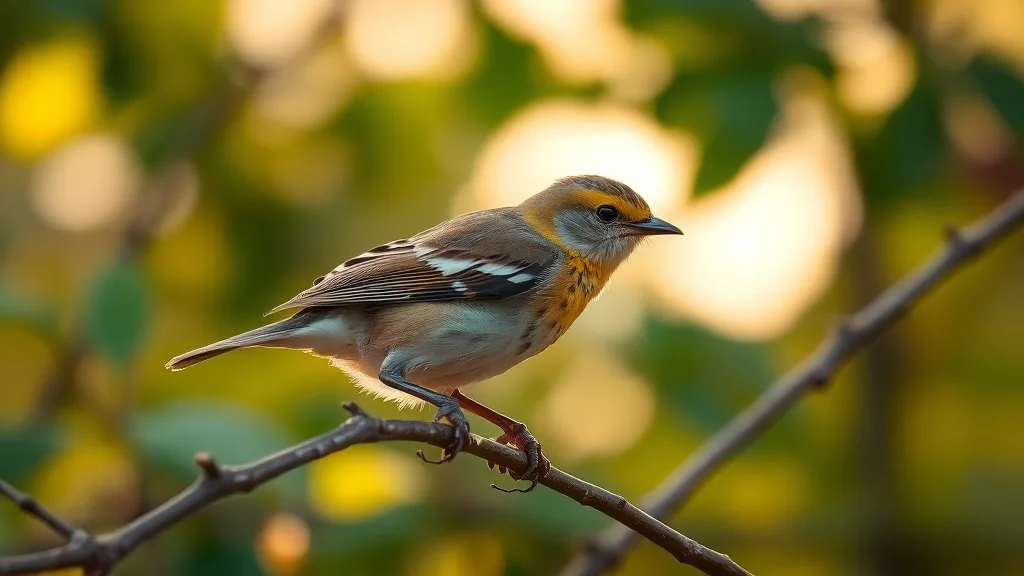
Attracting and identifying warblers in your backyard during spring can be challenging due to their small size, fast movements, and diverse species. Many birders find it frustrating to spot these colorful little warblers or distinguish among look-alike species. This article offers practical tips to help you create a bird-friendly environment that attracts warblers and improve your skills for identifying them through optics quality, behavior cues, and vocalizations—all while respecting ethical birding practices.
What Are Backyard Warblers?
Warblers are a diverse family of small, often brightly colored songbirds that migrate through or breed in North America during spring and summer. They are insectivorous, highly active, and exhibit a wide range of plumage patterns that can make identification tricky. Some common warblers you might encounter in your yard include the Yellow Warbler, Common Yellowthroat, Black-throated Green Warbler, and Black-and-white Warbler.
Their preference for dense shrubs, flowering trees, and insect-rich environments means that simply having a patch of greenery isn’t enough; strategic habitat management and birding skills are required.
See also: 21. [SPECIES: dark-eyed junco] Why Juncos Disappear in Summer — and How to
How to Attract Warblers: Creating Warbler-Friendly Habitats
1. Plant Native Trees and Shrubs
Warblers rely heavily on native plants for foraging and nesting. Species like dogwood, elderberry, maples, and willows harbor the caterpillars, aphids, and spiders warblers eat.
- Trees & shrubs with dense foliage: Provide cover and nesting sites.
- Flowering plants: Attract insects.
- Berry-producing shrubs: Offer food during migration stopovers.
2. Avoid Pesticides
Pesticides reduce insect populations—warblers’ main food source. Creating a pesticide-free outdoor space will help maintain a healthy insect supply.
3. Introduce Water Features
Warblers often approach water sources like shallow bird baths or small ponds to drink and bathe.
- Keep water clean and fresh.
- Add stones or twigs inside baths for perching.
- Ensure baths are shallow (1–2 inches deep).
4. Provide Shelter and Perching Spots
Warblers use perches for singing and scanning for insects. Include:
- Branches at varied heights.
- Dense shrubs for quick cover.
- Vines and brush piles.
5. Time Your Observations
Peak warbler activity is usually during early morning or late afternoon in spring. This timing maximizes your chance to see them actively foraging or singing.
How to Identify Warblers: Sharp Optics and Ethical Observation
Use Quality Optics for Clarity and Low Light
Warblers are often seen under tree canopies or shaded areas, making lighting conditions challenging. Optics with:
- Good light transmission (50%+).
- High-quality coatings to reduce glare.
- Edge-to-edge sharpness for detailed plumage patterns.
Binoculars or spotting scopes with these traits will enhance your chances of distinguishing subtle color differences like wing bars, eye rings, or throat patches.
Improve Glassing Distance and Stability
Getting closer improves identification but avoid flushing the birds. Use:
- Tripods or monopods for spotting scopes to minimize hand-shake.
- Slow, deliberate movements, scanning branches carefully.
Learn Warbler Vocalizations and Behavior
Visual identification is boosted by learning songs and calls, which are often heard before the bird is seen.
- Use apps or audio recordings during birding sessions.
- Note behavior such as foraging style: bouncing, gleaning, or hovering can be species-specific.
Ethical Birding Tips
- Never use playback excessively to attract warblers; it can stress or displace them.
- Avoid flushing birds repeatedly off perches.
- Respect private properties and nesting sites.
- Minimize disturbance by keeping noise low and movements slow.
Warbler Identification Comparison Table
| Feature | Yellow Warbler | Common Yellowthroat | Black-throated Green Warbler | Black-and-white Warbler |
|---|---|---|---|---|
| Size (inches) | 4.7 | 4.3 | 4.3 | 4.7 |
| Primary Colors | Bright yellow with rusty streaks | Yellow throat, olive back | Bright yellow throat and cheeks, greenish back | Black and white stripes head to tail |
| Habitat Preference | Open wood edges and orchards | Dense low vegetation | Coniferous and mixed woods | Woodland trunks and branches |
| Song Notes | Sweet “sweet-sweet-sweet” | Fast, bright “wichity-wichity-wich” | Clear “zoo-zee-zoo-zoo-zee” | Loud, clear, rising trill |
| Foraging Behavior | Gleaning insects from leaves | Probing dense shrubs | Picking insects from needles | Climbing tree trunks like a nuthatch |
Focusing on these distinguishing traits in combination will improve your success in field identification.
Practical Field Steps to Attract and Identify Warblers
- Prepare habitat early: Start planting native vegetation well before spring migration.
- Set up clean water sources: Begin refilling baths as temperatures rise.
- Invest in mid-high quality binoculars or a spotting scope: Prioritize sharpness and light-gathering ability.
- Learn 3–5 warbler songs using reputable apps: Test your recognition in quiet moments.
- Visit your yard at dawn and dusk: Watch for movement, listen carefully for songs.
- Keep a field journal: Note species, behaviors, and dates to track appearances.
- Practice patience and restraint: Don’t over-stress birds by chasing or playback.
Frequently Asked Questions
Q: Can I use playback audio to attract warblers to my yard?
A: Playback can be used sparingly to confirm presence but should not be overused as it stresses birds and can interrupt breeding behavior.
Q: What time of day is best to see warblers in my yard?
A: Early mornings and late afternoons during spring migration are usually the most active times.
Q: How do I keep warblers coming back year after year?
A: Maintain a pesticide-free habitat with native plants, fresh water, and suitable shelter to provide food and nesting opportunities throughout the season.

