
The Role of Water Features in Enhancing Backyard Bird Habitats

By Robert Hale · Senior Editor
Published January 1, 2026 · Last reviewed May 12, 2026
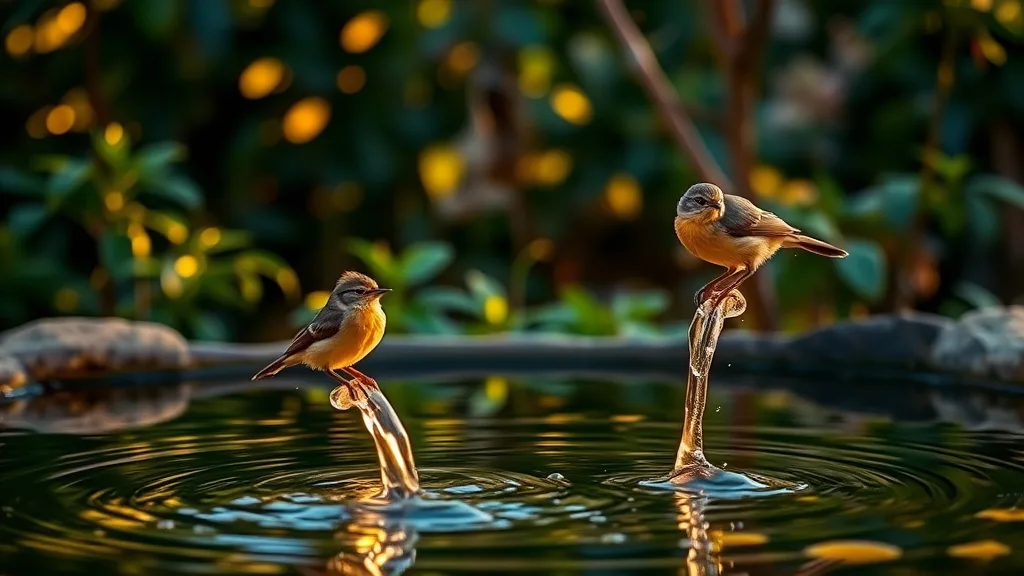
Enhancing your backyard bird habitat often hinges on one essential element: water. Many backyard birders find that despite providing ample food and shelter, birds remain elusive or visit only sporadically. One of the common reasons is the lack of a consistent, safe water source. Water features not only attract a wider variety of birds but encourage longer visits, facilitating better observation and enjoyment. This article explores the role of water features in backyard bird habitats, with practical insights on how to choose, maintain, and ethically use them to benefit both you and the avian visitors.
What Water Features Are and Why They Matter
Water is fundamental to bird life—not just for drinking but for bathing, which helps maintain feather health and remove parasites. Backyard water sources provide relief especially during hot, dry spells and in winter when natural water can freeze or become scarce.
Water features come in various forms:
- Birdbaths — shallow basins filled with water, often elevated.
- Misters and Drippers — devices that spray fine water droplets to simulate rain or dew.
- Fountains and Bubblers — provide moving water, beneficial for attracting birds and keeping water fresh.
- Ponds and Mini Ponds — larger water bodies offering habitat for a wider range of wildlife, including amphibians important to some bird diets.
Birders benefit from water features because they can dramatically increase species diversity and the length of bird visits. The sound and sight of moving water are particularly attractive because birds often rely on visual and auditory cues to locate water.
See also: The Importance of Native Trees for Supporting Backyard Bird Life
How Water Features Work to Boost Bird Activity
Water features enhance bird habitats primarily by addressing three critical needs:
- Hydration — birds must drink frequently due to their high metabolism.
- Bathing — essential for feather maintenance and parasite removal.
- Microhabitat Creation — water attracts insects and amphibians that are food sources for many bird species.
Moving water is especially effective. It stays cleaner longer, deters mosquito larvae, and is more visible and appealing to birds. In contrast, stagnant water can become contaminated quickly, lowering its appeal and potentially posing health risks.
Here’s a quick breakdown of how common water feature types work from the birds’ perspective:
| Water Feature | How It Works | Key Bird Benefits | Maintenance Needs |
|---|---|---|---|
| Birdbath | Shallow pool for drinking and bathing | Easy access, especially for small species | Regular cleaning, frequent refill |
| Misters/Drippers | Emit fine spray simulating rain | Attracts species that bathe in sprays | Check water source, clean nozzles |
| Fountains/Bubblers | Circulate water, creating movement and sound | Keeps water fresh, draws more species | Filter cleaning, pump maintenance |
| Ponds/Mini Ponds | Larger water reservoirs with natural edges | Supports diverse species, including aquatic insects and amphibians | Seasonal cleaning, monitor algae growth |
When to Use Water Features in Your Backyard
Water availability must align with your local climate, available space, and bird species you’re hoping to attract.
- Warm, Dry Climates: Water is a high-value resource; birdbaths with fountains or misters can turn your backyard into a bird magnet.
- Temperate Zones: Birdbaths remain useful year-round but require winter maintenance such as heaters to prevent freezing.
- Small Urban Yards: Elevated birdbaths or small drippers provide manageable, effective options that won’t overwhelm limited space.
- Large Gardens: Ponds or mini ponds support a wide ecosystem and can bring unique species like herons or kingfishers into the habitat.
Always consider local wildlife regulations and native species’ needs before building larger water bodies.
How to Ethically Use Water Features for Birding
Your goal is to attract and observe birds without causing harm or disturbance. Here are some ethical practices to keep in mind:
- Avoid startling or flushing birds near water: Approach quietly and avoid sudden movements.
- Do not use playback near water: This can stress birds already using essential hydration/bathing resources.
- Maintain cleanliness: Dirty water can spread diseases such as avian pox or salmonella.
- Change water frequently: Especially in hot weather to prevent mosquito breeding.
- Place water features near natural cover: Birds feel safer when predators are less visible.
Following these guidelines ensures birds view your backyard as a safe haven, not a hazard.
Common Pitfalls in Using Water Features
- Neglecting maintenance: Dirty or stagnant water discourages use and can spread diseases.
- Deep water features without gradual edges: Birds can drown if water is too deep and they cannot easily enter/exit.
- Placing water in exposed, predator-prone spots: Cats and other predators watch near water, so placing features near shrubs or trees allows quick hiding.
- Overcrowding multiple features: Too many water sources too close can confuse or fragment bird activity.
Balancing appeal, safety, and hygiene keeps water features bird-friendly and beneficial.
Practical Recommendations for Setting Up Water Features
- Choose the right size: A shallow basin (1-2 inches deep) works for most common species.
- Provide moving water: Use a bubbler, fountain, or change water often to prevent stagnation.
- Position wisely: Prefer partial shade near shrubs or trees for cover.
- Regular maintenance: Clean weekly or more frequently in warm weather.
- Supplement natural habitat: Combine water with seed feeders, native plants, and shelters for a full habitat offering.
Water Feature Comparison Table: Best Use Cases and Considerations
| Feature Type | Best Use Case | Pros | Cons | Recommended For |
|---|---|---|---|---|
| Birdbath | Small to medium yards, year-round use | Simple, affordable | Needs frequent cleaning | General backyard birding |
| Misters/Drippers | Hot climates to simulate natural rain | Very attractive, low splash | Requires water source/power | Experienced birders seeking diversity |
| Fountains/Bubblers | Larger yards, those wanting movement & sound | Keeps water fresh, visually appealing | Requires maintenance and power | Active bird watchers; urban gardens |
| Ponds/Mini Ponds | Large yards, diverse species | Supports varied wildlife | High maintenance, space needed | Enthusiasts with space and time |
By matching your space and climate with an appropriate water feature, you optimize benefits for birds and for your observation experience.
Frequently Asked Questions
Q: How often should I change the water in a birdbath?
A: Ideally every 2-3 days, or daily in hot weather, to keep water fresh and reduce disease risk.
Q: Are moving water features better than still water?
A: Yes, because moving water attracts more birds, stays cleaner, and deters mosquito larvae.
Q: Can I use dish soap or chemicals to clean my water feature?
A: No, avoid soaps or chemicals; use hot water and a brush instead to protect bird health.
Water features are a powerful tool for turning your backyard into a thriving bird habitat. Thoughtful design, ethical consideration, and regular maintenance will keep your water features a refreshing oasis for your local birdlife, yielding better birding experiences season after season.


