
The Importance of Native Trees for Supporting Backyard Bird Life

By Robert Hale · Senior Editor
Published January 1, 2026 · Last reviewed May 12, 2026
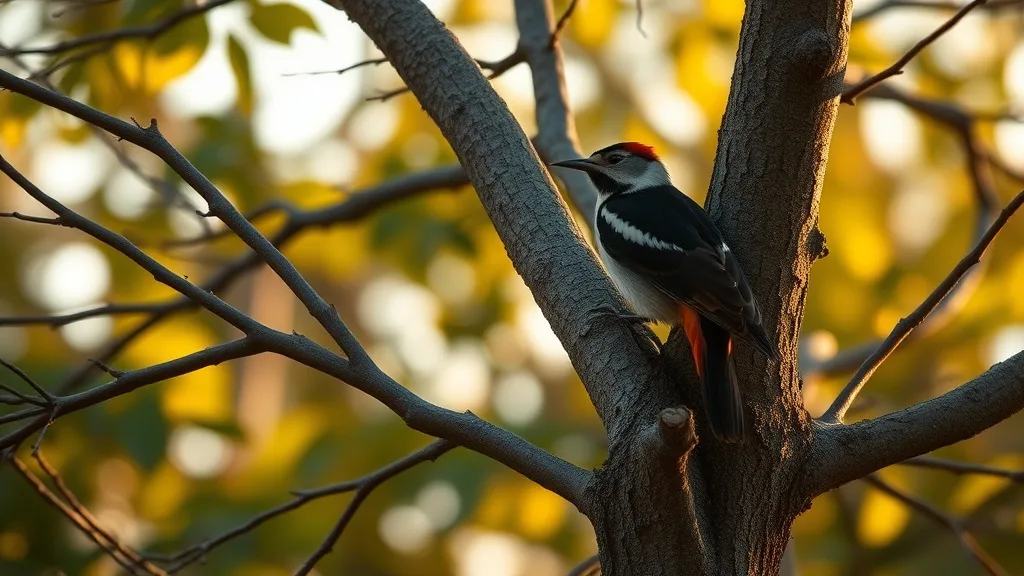
Native trees play an essential role in creating a thriving backyard habitat that supports local bird populations. Many birders struggle to attract a diverse array of birds to their yards despite planting trees and shrubs. The missing link often comes down to using non-native species, which may not provide the appropriate food, shelter, or nesting sites that native birds rely on. Understanding why and how native trees impact backyard birds can help you make more informed landscaping choices, ensuring your glassing sessions are rewarding and ethical.
What Are Native Trees and Why Do They Matter for Backyard Birds?
Native trees are species that have evolved naturally in your local area without human introduction. Over thousands of years, native wildlife—including birds—in your region have developed a closely linked relationship with these trees. This includes food sources such as insects that feed on the leaves, seeds, and fruits, as well as nesting substrates and cover from predators.
Non-native trees, introduced from other regions or continents, often lack these deep ecological connections. While they might provide some shelter or visual interest, they rarely support the same abundance or diversity of bird life as natives. Some non-natives can even turn invasive, outcompeting native plants and reducing overall habitat quality.
Key Reasons Native Trees Benefit Backyard Birds:
- Insect abundance: Many native insects specialize on native tree species, serving as crucial food for insectivorous birds.
- Proper food timing: Native trees’ fruiting and flowering periods align with birds’ breeding cycles, ensuring food is available when chicks need it most.
- Nesting habitat: Structural features of native trees provide ideal sites for nest building or roosting.
- Shelter and cover: Native trees integrate into the local landscape, offering reliable protection from predators and weather.
- Supporting plant and animal diversity: Native trees encourage a cascade effect of biodiversity, promoting ecosystems healthy enough to sustain birds long-term.
See also: Creating a Bird-Friendly Habitat in Your Backyard Step-by-Step
How Native Trees Support Bird Life: From Roots to Canopy
Food Resources
Many backyard bird species depend heavily on insects to feed their young. Native trees host a variety of insect larvae, caterpillars, beetles, and other invertebrates uniquely adapted to their leaves, bark, or flowers. These insects are often the preferred or even exclusive food for certain bird species.
For example, the oak tree supports hundreds of species of caterpillars, which in turn feed chickadees, warblers, and numerous other songbirds. Non-native trees like some ornamental acacias or eucalyptus may harbor vastly fewer insects, leaving birds with a food shortage.
Beyond insects, native trees produce fruits, seeds, and nuts that various species consume. These foods provide critical energy reserves especially during migration and winter months when insects are scarce.
Nesting and Shelter
The structure and physical properties of native trees have evolved along with local birds. Some birds require specific tree types or densities for nesting. For instance, woodpeckers prefer mature native trees with decaying wood for cavity creation, while certain thrushes may use dense native evergreens for concealed nests.
Additionally, native trees offer better cover from predators and prevailing weather conditions. Their growth patterns and seasonal leaf drop synchronize with bird behavior and vulnerability, making them more effective shelters compared to exotic species that may behave unpredictably in your local climate.
Ecological Timing and Synchrony
Native trees’ seasonal timing—like budding, flowering, and fruiting—closely aligns with local bird life cycles. This synchronicity ensures that birds find food resources precisely when they need them most, such as during breeding or migration stopovers.
Non-native species may flower or seed at times that don’t match bird needs, resulting in wasted energy searches or missed feeding opportunities.
When to Use Native Trees in Your Backyard
In most cases, prioritizing native trees when designing or renovating your backyard landscape will maximize bird support. Here are some practical situations when incorporating native trees is especially beneficial:
- Establishing new habitat: Beginning your bird-friendly garden? Start with native species to set a strong ecological foundation.
- Replacing old or dying trees: Remove invasive or poor-quality trees and replace them with natives to boost local wildlife health.
- Creating layered vegetation: Combine native trees with native shrubs, groundcovers, and grasses to mimic natural habitat complexity.
- Supporting specific target species: Research which native trees support your desired bird species and prioritize planting those.
- Improving insect populations: If you notice low caterpillar or bug abundance in your yard, native trees may reverse this trend.
Common Pitfalls and How to Avoid Them
Relying on Ornamental Non-Native Trees for Bird Attraction
While some exotic species may attract a few birds via berries or cover, they rarely build sustainable populations. Relying too heavily on them may disappoint you in terms of bird diversity and abundance.
Ignoring Tree Health and Maintenance
Native does not mean maintenance-free. Keep trees healthy by watering during droughts, pruning dead branches, and monitoring for pests and diseases. Healthy trees support more insects and provide better shelter.
Overusing Playbacks or Flushing Birds in Native Tree Areas
Ethical birding includes minimizing disturbance. Do not rely on playback calls to lure birds repeatedly, as it stresses them, especially when breeding. And avoid flushing birds unnecessarily; enjoy watching quietly.
Failure to Match Trees to Local Ecosystems
Not all native trees perform well in every backyard setting. Soil type, sun exposure, and moisture limitations matter. Research your local native flora and select species suited for your conditions.
Comparison Table: Native vs. Non-Native Trees for Backyard Birds
| Feature | Native Trees | Non-Native Trees | Impact on Backyard Bird Life |
|---|---|---|---|
| Insect diversity | High - supports many native insects | Low - fewer specialized insects | Native trees sustain more insectivorous birds |
| Fruit/seed timing | Synchronized with local bird cycles | Often mismatched seasonally | Native trees provide food when birds need it |
| Nest site suitability | Designed for local species’ nesting needs | Often lacks needed structure | Native trees encourage successful breeding |
| Shelter quality | Integrated with local predator and weather dynamics | Less reliable cover | Native trees offer better protection |
| Risk of invasiveness | Low | Can be high - some escape cultivation | Native trees maintain ecosystem balance |
| Maintenance needs | Adapted to local conditions | May require additional care | Native trees often more resilient and low-maintenance |
Practical Tips for Incorporating Native Trees to Support Birds
- Start Small and Observe: Add one or two native trees to your yard initially and monitor how local bird life responds over seasons.
- Plant Diversity: Include a mix of native species to provide a range of food types and shelter throughout the year.
- Layered Planting: Combine native trees with native shrubs, wildflowers, and grasses to mimic natural habitat complexity.
- Avoid Chemicals: Pesticides reduce insect populations critical for birds; use natural methods instead.
- Protect Nesting Birds: Keep disturbance minimal during nesting season, especially near native tree sites.
- Supplement with Water: A safe birdbath near native trees can enhance your yard’s attractiveness.
Frequently Asked Questions
Q: Can fruit trees be considered native and beneficial for bird life?
A: Yes, native fruit trees provide important seasonal food like berries and fruits that many birds consume, especially in migration and winter.
Q: How long does it take for newly planted native trees to start supporting birds?
A: Smaller trees can attract some birds within a couple of years, but the highest value habitat develops as trees mature (5-10 years).
Q: Are all native trees equally beneficial for birds?
A: No, some species support more insect diversity or better nesting sites than others. Local extension services or native plant societies can help identify the best choices for your area.
Planting native trees in your backyard isn’t just a landscaping choice—it’s an investment in the future of local bird populations. By understanding and embracing the needs of native birds through native flora, birders can enjoy healthier, more diverse, and more rewarding experiences watching birds close to home.


