
Setting Up a Backyard Habitat That Supports Bird Insects and Pollinators

By Robert Hale · Senior Editor
Published January 1, 2026 · Last reviewed May 12, 2026
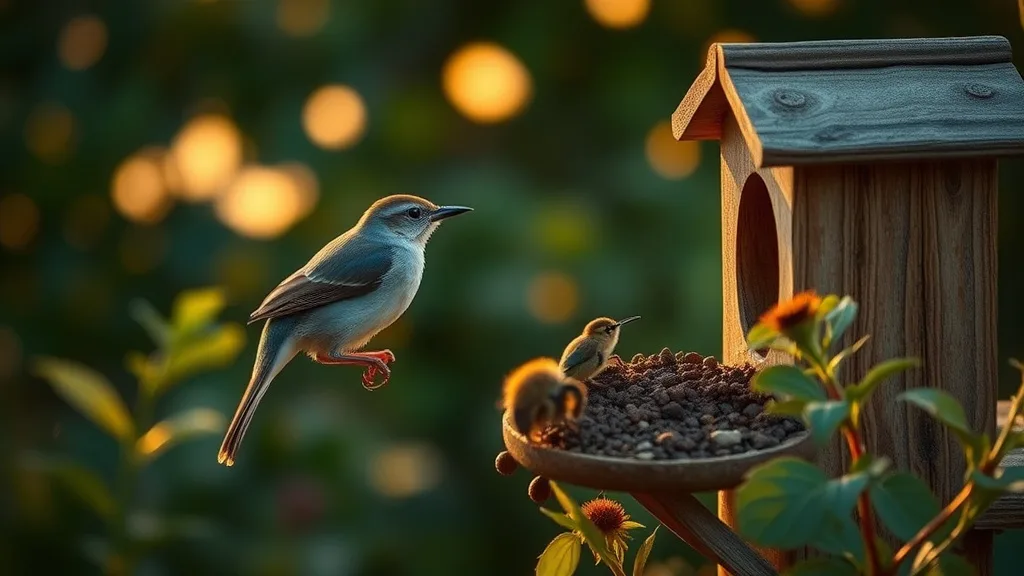
Setting up a backyard habitat that supports birds, insects, and pollinators is not just about planting flowers or putting out a feeder. Many backyard birders and nature enthusiasts struggle to create a truly welcoming environment that sustains a diversity of wildlife across seasons while avoiding common pitfalls like attracting pests or disrupting local ecosystems. Getting a balanced habitat requires a thoughtful combination of native plants, water sources, shelter, and mindful practices that respect wildlife behavior.
What It Is
A backyard habitat that supports birds, insects, and pollinators is a deliberately designed outdoor space that provides food, water, shelter, and nesting opportunities for a variety of wildlife. Unlike a simple garden, this habitat mimics natural ecosystems where multiple species interact. Birds feast on insects pollinating flowers; insects depend on plants for nectar and food; and pollinators like bees and butterflies facilitate plant reproduction. The goal is a mutually beneficial environment sustaining life while offering birders rich opportunities for observation.
Key Components:
- Native plants: These provide tailored food and shelter for local wildlife.
- Water sources: Puddles, bird baths, or small ponds for hydration and bathing.
- Shelter: Dense shrubs, brush piles, or nesting boxes.
- Pollinator-friendly plants: Flowering species that attract bees, butterflies, and hummingbirds.
- Avoidance of chemicals: Pesticides and herbicides harm beneficial insects and birds.
See also: Planting Native Flowers to Support Backyard Bird Populations
How It Works
Each element of the habitat serves interconnected purposes that build a balanced wildlife-friendly environment.
Native Plants as Foundation
Native plants evolved alongside local insects and birds. Their flowers offer nectar and pollen for pollinators, their leaves are food sources for caterpillars and other larval insects, and their seeds feed birds. For example, oak trees support hundreds of caterpillar species critical to songbird diets during nesting season, while wildflowers like coneflowers and goldenrods supply nectar.
Water Sources Enable Survival
Birds and insects require accessible fresh water. Birdbaths with sloped edges, small puddles for butterflies, and shallow dishes increase usability. Running water features like drippers attract more species but require regular maintenance to prevent mosquito breeding.
Shelter Provides Safety
Dense shrubs and brush piles give birds cover from predators and nesting sites. Dead wood and leaf litter support insect life cycles. Nest boxes customized by species attract cavity-nesting birds such as chickadees and wrens.
Pollinator-Friendly Plants Boost Biodiversity
Specific flowers with colors, shapes, and bloom times adapted for bees, butterflies, and hummingbirds support their life cycles. For instance, tubular red flowers attract hummingbirds, while flat, openly accessible blooms entice butterflies.
Ethical Practices Sustain the Ecosystem
Avoid flushing birds unnecessarily or overusing playback recordings to attract them, as these stress animals. Skip chemical pesticides to preserve insect populations. Follow local regulations on feeding and habitat management.
When to Use It
Creating a supporting backyard habitat works for anyone focused on enriching their backyard birding experience and fostering local biodiversity. This is particularly useful in suburban and urban settings where natural areas are limited, or for those wanting to restore part of their property to a more natural, resilient state. You can start from scratch or enhance an existing garden by replacing non-native plants and adding key habitat features.
Common Pitfalls
- Non-native Plants: Introduced ornamentals may provide little to no food for local wildlife.
- Overfeeding Birds: Excess bird seed attracts aggressive species and rodents, potentially leading to bird stress and disease.
- Ignoring Seasonal Needs: A habitat that only blooms in summer or leaves bare ground in winter offers limited support year-round.
- Chemical Use: Insecticides and herbicides damage the very insects and flowers that attract birds.
- Poor Water Management: Stagnant water becomes a breeding ground for mosquitoes or discourages wildlife use.
Step-by-Step Guide to Setting Up Your Backyard Habitat
-
Assess Your Site
Identify sunlight levels, soil type, and existing vegetation. Observe which birds and insects already visit. -
Choose Native Plants
Select a mix of trees, shrubs, and flowering plants with staggered bloom times. Prioritize those that support caterpillars and provide seeds. -
Add Water Features
Install a birdbath or shallow water source with gentle slopes. Consider a drip feature for running water, cleaned and refilled regularly. -
Create Shelter and Nesting Sites
Plant dense shrubbery or install brush piles. Put up birdhouses designed for species in your area. -
Plant Pollinator-friendly Flowers
Include flowers with varied shapes and colors to accommodate different pollinator species. -
Avoid Chemicals
Commit to organic gardening, allowing natural predator insects to control pests. -
Monitor and Adjust
Keep an eye on wildlife use and plant health. Replace plants or adjust features as necessary to improve habitat quality.
Comparison Table: Habitat Features for Birds, Insects, and Pollinators
| Feature | Benefits for Birds | Benefits for Insects | Benefits for Pollinators | Notes |
|---|---|---|---|---|
| Native Trees & Shrubs | Provide food (berries, seeds), shelter, nesting sites | Host caterpillars and other insects | Nectar and pollen sources | Species choice matters; e.g., oak vs. pine |
| Flowering Plants | Attract insects that are bird food | Nectar and pollen essential for survival | Direct nectar source for bees and butterflies | Diversity in bloom time supports species year-round |
| Water Features | Hydration and bathing | Water source for drinking, egg-laying | Nectar dilution and hydration | Keeps habitat active; must avoid stagnation |
| Brush Piles/Leaf Litter | Shelter and nesting cover | Breeding and overwintering ground cover | Habitat for larval stages | Avoid excessive tidiness—important for insect life |
| Birdhouses/Nest Boxes | Nesting for cavity-nesting birds | — | — | Must be cleaned yearly to prevent parasites |
Frequently Asked Questions
Q: How many native plants should I include in my backyard habitat?
A: Aim for at least 10-15 species including trees, shrubs, and flowers to provide diverse food and shelter year-round.
Q: Can I use non-native plants if they attract birds and butterflies?
A: While some non-natives attract wildlife, they usually don’t support local insect populations critical for birds’ diets. Native plants remain best for long-term ecosystem health.
Q: How often should I clean birdbaths or water sources?
A: Clean birdbaths and water features every 2-3 days, especially in warm weather, to prevent algae growth and mosquito breeding.
By carefully integrating native plants, reliable water sources, and protective shelters, your backyard can thrive as a dynamic habitat supporting birds, pollinators, and the insects that connect them. Combined with ethical birding and gardening, your efforts will create a lively backyard ecosystem rewarding your watching while contributing to broader conservation.


