
Seasonal Changes: Adjusting Your Backyard Bird Feeders Effectively

By Robert Hale · Senior Editor
Published January 1, 2026 · Last reviewed May 12, 2026
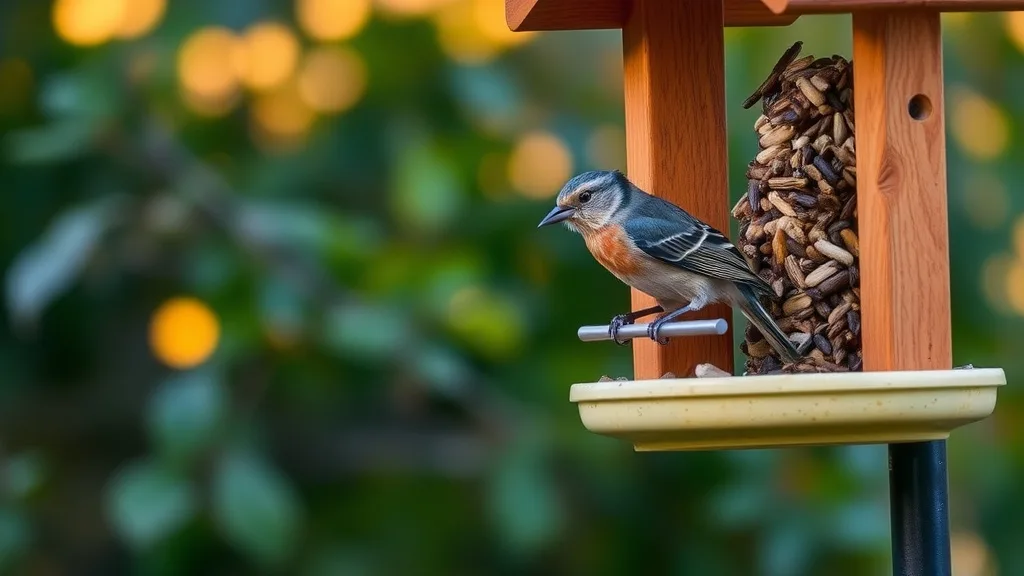
Seasonal Changes: Adjusting Your Backyard Bird Feeders Effectively
One of the biggest challenges backyard birders face is keeping their feeders productive and appealing to local birds all year round. Birds’ dietary needs, behaviors, and nearby natural food availability shift with the seasons, so feeders set up in spring seldom perform the same way in fall or winter. Without wise adjustments, feeders can become underused or attract unwanted pests. This article breaks down how to adapt your backyard bird feeders effectively through the seasons, helping you provide consistent bird nourishment while practicing good ethics and safety.
What Seasonal Changes Mean for Your Backyard Bird Feeders
Bird species in your yard, their feeding habits, and natural food supplies all fluctuate with changing seasons. Understanding these shifts helps you tailor feeder types, food choices, and feeder placement effectively.
- Spring: Birds focus on breeding and nesting, needing protein-rich foods for themselves and chicks.
- Summer: Natural food sources like insects and berries peak; feeders often see less traffic but still help during dry or hot spells.
- Fall: Migratory species pass through; energy-rich food aids fat storage for journeys.
- Winter: Natural foods are scarce; birds rely heavily on feeders for survival.
Effective feeder management requires matching your feeder content and maintenance to these yearly rhythms.
How to Adjust Your Backyard Bird Feeders Seasonally
Below are practical steps to revamp feeders through the seasons while respecting bird ethics like avoiding flushing and abusing playback calls.
Step 1: Assess Your Current Feeder Setup
- Take inventory of your feeders and seed types.
- Note feeding activity and bird species visiting during different seasons.
- Check feeders for wear or damage, especially after harsh weather.
Step 2: Choose Appropriate Foods for Each Season
| Season | Recommended Food Types | Reasoning | Examples |
|---|---|---|---|
| Spring | High-protein foods, suet, mealworms | Protein supports breeding and feather growth | Suet cakes with insects, live/dried mealworms |
| Summer | Fruits, nectar, berries, water | Natural foods more available; fresh water crucial in heat | Jelly feeders, hummingbird nectar, fruit slices |
| Fall | High-fat, calorie-dense foods | Fat helps build migration energy reserves | Black oil sunflower seed, peanuts, suet |
| Winter | High-energy, easy-to-digest seed, suet | Scarce natural food; maintaining energy is vital | Mixed seed, sunflower chips, suet blocks |
Step 3: Modify Feeder Types and Placement
- Spring/Summer: Use platform and tray feeders for soft foods and provide fresh water sources.
- Fall/Winter: Tube and hopper feeders that protect seed from moisture are ideal.
- Place feeders where birds feel safe—near shrubs or trees offering cover—but avoid spots where they can easily be flushed by outdoor activity.
- In winter, position feeders to get some sun exposure for warmth but shield from prevailing winds.
Step 4: Maintain Hygiene and Minimize Risk Year-Round
- Clean feeders regularly to prevent mold or disease, especially during warm months.
- Remove wet or moldy seed promptly.
- Use squirrel-proof feeders or baffles to prevent food waste and unwanted pests.
- Avoid playback calls that can stress birds, particularly during breeding seasons.
Step 5: Monitor and Adapt
- Record bird activity changes as seasons progress.
- Note which feeders and foods perform best.
- Be flexible—bird preferences may shift with weather patterns, migrations, and local habitat changes.
Understanding Seasonal Bird Behavior and Feeder Use
Many backyard species time their breeding, molting, and migration around ecological cues. Adjusting feeders accordingly means you can help local birds thrive without encouraging risky or unnatural behaviors.
- Breeding Season: Birds seek protein and insects more than seeds. Introduce suet mixed with insects or live mealworms to support this phase.
- Migration Stopovers: Fatty foods with high energy density encourage stopover birds to replenish before long flights.
- Molting Periods: Birds growing new feathers need good quality nutrition; quality seed mixes with a variety of components work well.
- Severe Cold: Birds expend more energy keeping warm and need feeders stocked consistently with nutrient-dense foods.
Ethical Considerations in Seasonal Feeder Management
- Avoid Flushing Birds: Position feeders to reduce disturbances from pets, children, or human traffic.
- No Playback Abuse: Using recorded bird calls can cause stress or drive birds from natural foraging—limit or avoid playback use.
- Natural Foraging: Use feeders as a supplement, not a replacement for natural food sources.
- Cleanliness: Diseased feeders can spread infections; thorough and frequent cleaning is essential.
- Sustainable Feeding: Don’t overfill feeders leading to food waste or dependency.
Comparison: Seasonal Feeder Adjustments At a Glance
| Factor | Spring | Summer | Fall | Winter |
|---|---|---|---|---|
| Food Type | Protein-rich (suet, insects) | Fruits, nectar, water | High-fat seeds, suet | Energy-dense seeds, suet |
| Feeder Style | Platform, tray | Tray with shade, nectar feeders | Tube, hopper feeders | Covered hopper, tube feeders |
| Placement | Near cover, low disturbance | Close to water sources | Sheltered, sun-facing | Protected from wind/snow |
| Maintenance | Frequent cleaning | Frequent cleaning, water refills | Check for mold, clean regularly | Avoid snow/ice accumulation |
| Ethical Notes | No playback, no disturbance | Avoid attracting pests | Minimal interference | Keep feeders stocked responsibly |
Final Thoughts
Adjusting your backyard bird feeders with the seasons can transform your birding experience and improve bird wellbeing. By providing timely, appropriate food, comfortable feeder types, and careful placement, you can maintain active visitation year-round. Remember, smart feeder management respects natural bird behaviors and environmental conditions—helping the birds, and your enjoyment, flourish.
Frequently Asked Questions
Q: How often should I change seed types?
A: Change seed types seasonally to match birds’ nutritional needs. For example, switch from protein-heavy foods in spring to high-fat seeds in fall and winter.
Q: Can I use playback calls to attract birds year-round?
A: Use playback very sparingly, if at all. It can stress birds, especially during breeding seasons or harsh weather.
Q: How do I prevent squirrels and other pests from raiding feeders?
A: Use squirrel-proof feeders, install baffles on poles, and avoid ground feeding to minimize pest problems.
See also: Creating a Year-Round Feeding Schedule for Backyard Bird Health


