
Planting Native Flowers to Support Backyard Bird Populations

By Robert Hale · Senior Editor
Published January 1, 2026 · Last reviewed May 12, 2026
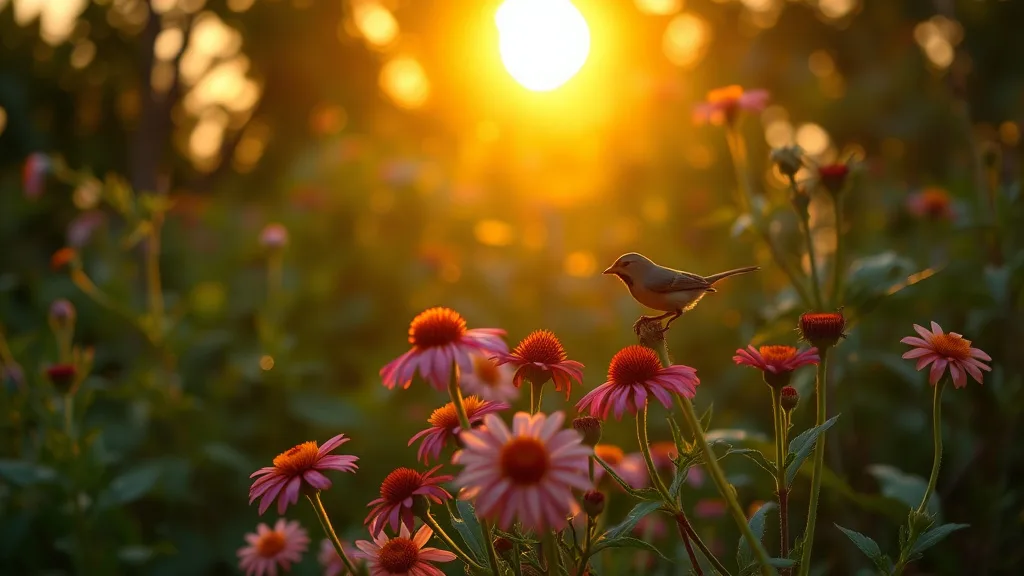
Planting native flowers is one of the most effective and enjoyable ways to support backyard bird populations, but many birders struggle with choosing the right species and understanding how these plants actually benefit birds. If you’ve noticed fewer birds visiting your feeder, or if you want to create a more inviting habitat that complements your binoculars and spotting scope experiences, this guide helps you plant native flowers that enhance bird life, while respecting ethical birding practices and your local ecosystem.
What Does Planting Native Flowers to Support Birds Mean?
Native flowers are those that naturally occur in your region and have evolved alongside local wildlife species—including birds. Unlike non-native or ornamental plants, native flowers offer the food, shelter, and breeding materials that favored birds rely on daily. They attract native insects and provide seeds or nectar specifically suited to the dietary needs of local bird species.
Using native flowers means choosing plants adapted to the soil, climate, and rainfall of your backyard, resulting in more sustainable gardening practices and a healthier environment for birds.
See also: Choosing the Right Bird Food to Attract Specific Backyard Species
How Planting Native Flowers Supports Backyard Birds
1. Food Sources
Many birds depend on insects that thrive on native plants, so a variety of native flowers can bolster insect populations, which are essential food sources—especially during nesting season. Some native flowers also produce seeds and nectar that certain birds need.
2. Shelter and Nesting Habitat
Flowering native plants often grow into dense shrubs or grasses, creating safe cover from predators and harsh weather. This cover doubles as potential nesting sites or protective spots for fledglings.
3. Inviting Diverse Bird Species
Native flowers influence which bird species visit your yard. Hummingbirds, for example, prefer tubular flowers with nectar, while finches seek out seed-producing plants. This diversity enhances your birding sessions by broadening the species you can observe.
When and How to Plant Native Flowers for Best Bird Support
Step 1: Identify Your Native Region’s Flower Species
Consult local extension services, native plant societies, or reputable online databases to create a list of native flowers suited to your climate and soil type. Choose a mix that produces blooms at various times to support birds through spring, summer, and fall.
Step 2: Prepare Your Site Considering Lighting and Soil Needs
Most native flowers have specific light preferences (full sun, partial shade) and soil conditions. Prepare the planting area accordingly, as healthy, well-placed plants will thrive and sustain bird populations longer.
Step 3: Plant in Groups for Visibility and Usability
Birds spot food and shelter more easily when flowers are grouped together rather than scattered. Clusters or drifts imitate natural habitats and are known to encourage more frequent bird visits.
Step 4: Use Ethical Birding Practices When Enjoying Your Backyard
Avoid flushing birds by moving slowly and using binoculars or scopes for a quiet viewing distance. Do not use playback calls near sensitive nesting areas supported by your flowers to prevent stress on bird populations.
Step 5: Maintain with Minimal Disturbance
Native plants generally require less watering and care once established. Avoid pesticides as these diminish insect populations that birds rely on. Let seed heads remain over winter to provide food and shelter.
Common Pitfalls to Avoid
- Choosing non-native or invasive plants: These crowd out native species and reduce food availability for birds.
- Planting only one flower type or bloom season: Limits food supply and shelter, leading to fewer bird visits.
- Using pesticides or herbicides: Kills key insect species and harms birds directly through contaminated food.
- Over-cleaning or removing seed heads: Removes valuable winter food sources for birds.
- Flushing or disturbing birds from cover: Causes stress and can disrupt breeding success.
Comparing Popular Native Flower Choices for Backyard Bird Support
| Flower Type | Benefits for Birds | Lighting Needs | Bloom Season | Best Bird Visitors | Notes |
|---|---|---|---|---|---|
| Coneflowers (Echinacea) | Seeds feed finches and sparrows | Full sun | Summer-Fall | Finches, Sparrows | Drought tolerant, easy to grow |
| Bee Balm (Monarda) | Nectar for hummingbirds and bees | Full sun to Shade | Mid-summer | Hummingbirds, Butterflies | Aromatic, attracts pollinators |
| Black-eyed Susan (Rudbeckia) | Seeds for sparrows and other small birds | Full sun | Late summer-Fall | Sparrows, Chickadees | Long bloom time, bright flowers |
| Milkweed (Asclepias) | Attracts monarch butterflies & provides seed | Full sun | Summer | Goldfinches, Monarch Butterflies | Host plant for caterpillars, important for biodiversity |
| Wild Columbine | Nectar source for hummingbirds | Partial shade | Spring-Summer | Hummingbirds | Prefers woodland edges, delicate flowers |
Final Tips for Success
- Start small and gradually expand your native flower garden over several seasons.
- Observe which birds and insects your flowers attract and adjust plant choices accordingly.
- Incorporate native shrubs and trees later to create a layered ecosystem that supports a broader range of birds and wildlife.
By planting native flowers thoughtfully, you add a living, dynamic element to your yard that invites vibrant bird life while enhancing your outdoor birding experience with better visibility, accessibility, and ethical observation opportunities.
Frequently Asked Questions
Q: How do I know which native flowers are suitable for my backyard?
A: Start by identifying your local ecoregion through extension services or native plant organizations. Choose species native to your area that match your sunlight, soil, and moisture conditions.
Q: Can native flowers really attract more birds than feeders alone?
A: Yes! Native flowers support the entire ecosystem by providing natural food sources like nectar, seeds, and insects, plus shelter and nesting sites, attracting more diverse bird species year-round.
Q: How can I avoid attracting unwanted pests if I use native flowers?
A: Native plants typically attract native insect populations that are part of a balanced ecosystem. Avoid pesticides and encourage beneficial insects and birds that act as natural pest controllers. If specific pests become a problem, try physical barrier methods or companion planting.


