
How to Use Binoculars to Spot Small Birds in Dense Backyard Foliage

By Robert Hale · Senior Editor
Published January 1, 2026 · Last reviewed May 12, 2026
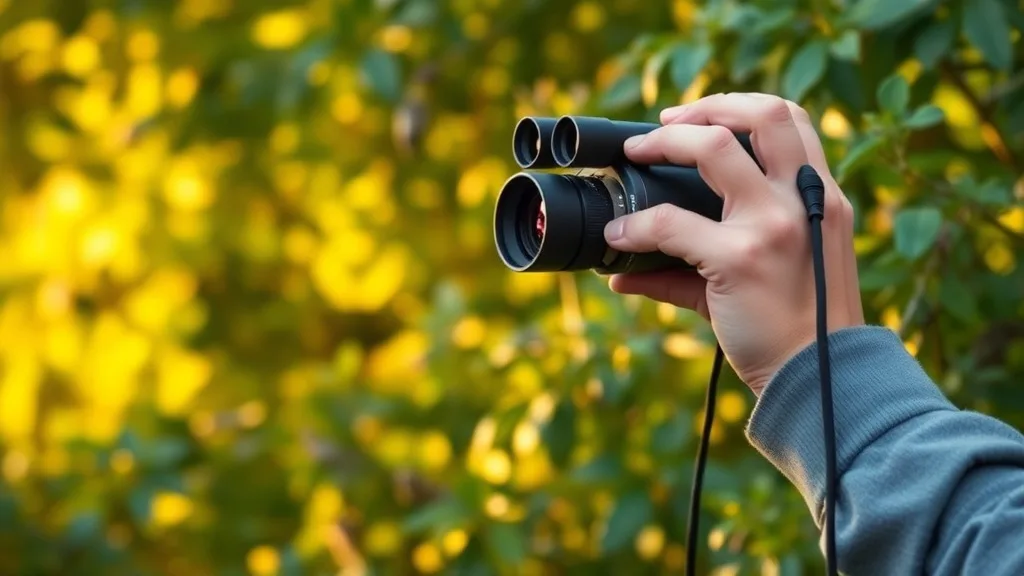
Using binoculars to spot small birds in dense backyard foliage can be frustrating. The leaves, branches, and shadows create confusing visual clutter, making it hard to find and identify tiny, quick-moving birds. If you’ve ever scanned your favorite tree and come away with nothing but a guessing game, this guide will help you cut through the green maze and improve your birding experience.
Understanding the Challenge of Dense Foliage Birding
Small birds like chickadees, warblers, and wrens are masters of concealment. Their size, combined with the camouflage effect of dense leaves, makes them tough to see with the naked eye. Binoculars can be your secret weapon—but only if you use the right techniques and instruments for this very specific challenge.
The secret to success isn’t just powerful magnification or fancy optics—it’s optimizing your approach for clarity, maneuverability, and ethical birding.
See also: Guide to Backyard Bird Identification Using Bird Calls and Songs
Step 1: Select the Right Binoculars
It all starts with your optics. For dense foliage birding, you want binoculars that balance these key features:
- Magnification: Moderate zoom (around 8x to 10x) gives enough detail without sacrificing a wide field of view. Higher magnifications narrow your view and make it hard to follow fast birds in thick branches.
- Objective Lens Diameter: A larger lens (32mm to 42mm) collects more light, allowing better visibility in shadows and low-light cover under leaves.
- Close Focus Distance: Choose binoculars that can focus at distances as close as 6–8 feet. Small birds may perch close to you behind leaves, and having this ability avoids hunting blindly.
- Weather Resistance: Waterproofing and fog-proofing are essential if you’re birding early morning or after rain.
Comparison Table of Ideal Binocular Specs for Dense Foliage Birding
| Feature | Why It Matters | Recommended Range | Trade-offs |
|---|---|---|---|
| Magnification | Detail vs. field of view | 8x to 10x | Higher zoom narrows the view |
| Objective Lens Diameter | Light gathering in low light | 32mm to 42mm | Larger lenses can be heavier |
| Close Focus Distance | Ability to see birds close in foliage | 6 to 8 feet | Not all binoculars offer close focus |
| Weather Resistance | Durability and all-weather usability | Waterproof, fog-proof | Slightly heavier and pricier |
Step 2: Master Proper Handling and Glassing Technique
Once you have the right binoculars, it’s about how you use them.
- Hold binoculars steady: Use both hands and steady your elbows against your body to reduce shaking. If possible, lean against a tree or bench to stabilize.
- Scan slowly and methodically: Dense foliage hides many surprises. Move your view in deliberate, slow sweeps horizontally and vertically instead of quick bursts.
- Use peripheral vision to detect movement: Before raising the binoculars, scan the leafy area with your naked eyes to catch slight bird movements or flashes of color.
- Adjust focus frequently: Birds move quickly. Practice swift focus adjustments to lock in on tiny wings fluttering around twigs or leaves.
Step 3: Understand Bird Behavior and Light Patterns
Knowing where birds like to hang out helps you anticipate their spots.
- Preferred perching: Small birds often choose the edges of branches, near flower clusters, or where insects are abundant.
- Use dappled light: Early morning or late afternoon light filtering through branches highlights bird silhouettes and colors, making spotting easier.
- Listen carefully: Often you’ll hear birds before seeing them. Use their calls or songs as landmarks to zero in.
Step 4: Ethics for Birding in Dense Foliage
Ethical birding improves not only your experience but protects the birds:
- Avoid flushing: Don’t wave your arms or move abruptly; startling birds wastes their energy and interrupts feeding or nesting.
- No playback abuse: Playback audio to lure birds can be stressful if overused, especially in crowded yard habitats.
- Respect nests and juveniles: Stay back from known nest sites and be patient with fledglings—rapid movements or persistent close observation can be harmful.
Step 5: Practice Regularly and Adapt Your Setup
Dense foliage birding takes practice. Try different vantage points around your yard or garden. Use a sturdy tripod adapter if your binoculars support it for long sessions.
Over time, you’ll develop an eye for subtle signs, shadows, and motion invisible to casual observers. Adjust eyecups and interpupillary distance on your binoculars for comfort. Carry a small notebook or use a birding app to log species and behaviors, helping you predict future sightings.
Frequently Asked Questions
Q: What magnification is best for spotting tiny birds in thick branches?
A: Aim for binoculars with 8x to 10x magnification. Higher magnification narrows your field of view and makes tracking difficult in cluttered foliage.
Q: How can I avoid disturbing birds while using binoculars?
A: Move slowly and quietly, avoid sudden gestures, and never chase or flush birds. Observe from a stable, concealed spot and rely on your binocular’s optics instead of moving closer.
Q: Is it important to have waterproof binoculars for backyard birding?
A: Yes. Backyard birding often takes place early mornings or after rain, when moisture is high. Waterproof and fog-proof binoculars prevent internal fogging and damage, ensuring clear views and long-lasting gear.
With the right binoculars and mindful, practiced techniques, spotting small birds in dense backyard foliage becomes a rewarding challenge rather than a frustrating hunt. Embrace patience and respect, and you’ll see your feathered friends come clearly into focus.


