
How to Photograph Shy Backyard Birds Without Disturbing Them

By Robert Hale · Senior Editor
Published January 1, 2026 · Last reviewed May 12, 2026
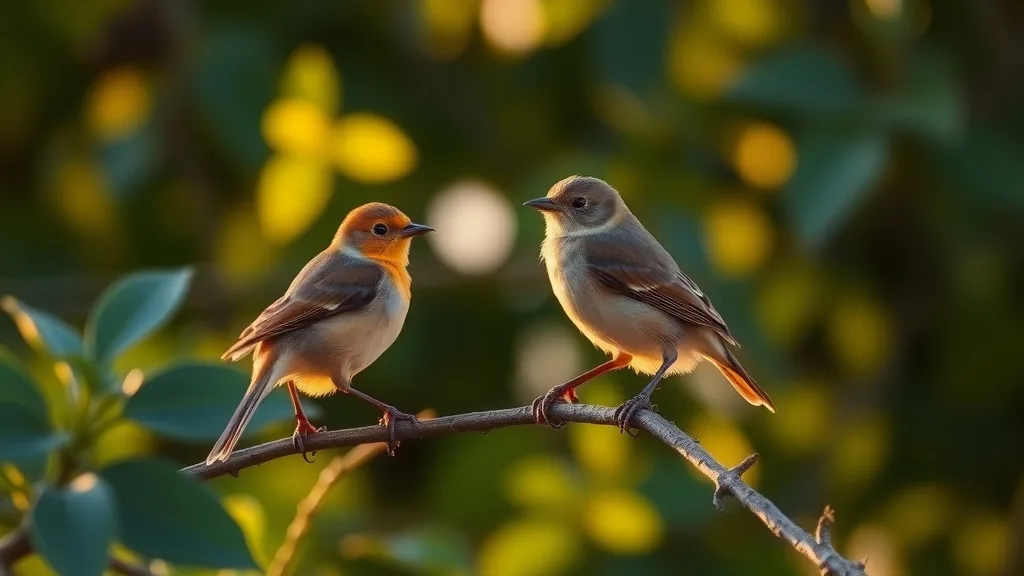
Photographing shy backyard birds can be frustrating. You want clear, close-up shots without startling your feathered visitors, causing them to flee or feel stressed. Many birders struggle to strike the balance between getting great images and maintaining ethical birding practices that respect the birds’ comfort and safety. This guide explains practical strategies for capturing stunning photos of wary backyard birds without disturbing them.
Why Birds Are Shy and Easily Disturbed
Backyard birds are naturally cautious because being alert helps them avoid predators. Loud noises, sudden movements, or unfamiliar objects (like a camera lens pointed at them) can trigger their flight response. Some species are especially sensitive during nesting or feeding periods. As bird photographers, our goal is to minimize disturbance so birds continue their natural behaviors unaffected.
See also: Best Practices for Setting Up a Backyard Bird Photography Blind
How to Photograph Shy Backyard Birds Without Disturbing Them
Follow these steps to improve your chances of getting beautiful bird photos while respecting their space:
1. Choose the Right Spot and Time
- Scout Quiet Locations: Set up near bushes, feeders, or trees where birds regularly perch. Avoid high-traffic areas in your yard.
- Opt for Early Morning or Late Afternoon: Birds tend to be less wary and more active during these low-light hours, but this also requires good optics optimized for such conditions.
2. Use Appropriate Optics for Distance and Low Light
- Telephoto Lenses and Spotting Scopes: Use optical gear with a long focal length (300mm or more) to maintain a respectful distance. High-quality glass is critical for sharp images when shooting from afar.
- Image Stabilization: Helps reduce blur during hand-held shots, especially in lower light without spooking birds by using a tripod.
- Low-Light Performance: Choose optics with wide apertures (f/2.8-f/5.6) to capture more light without raising ISO excessively, which can degrade image quality.
3. Camouflage and Concealment
- Natural Blinds: Use shrubs, trees, or brush piles as natural cover for your camera setup.
- Portable Hides: Lightweight, camo-colored blinds or pop-up tents allow closer positioning without direct visual contact.
- Wear Earth Tones: Avoid bright clothing that may catch birds’ attention.
4. Limit Movement and Noise
- Pre-Set Your Camera: Adjust focus, exposure, and settings beforehand to avoid fiddling during shooting sessions.
- Slow, Smooth Movements: Sudden motions can scare birds away.
- Use Remote Releases or Timers: Allows you to operate the camera without being right next to it.
5. Avoid Playback and Excessive Luring
- Playback calls can temporarily attract birds but may cause stress or disrupt their natural behavior.
- If using feeders or water sources, keep them consistent so birds grow accustomed, rather than constantly changing attractants.
6. Be Patient and Respectful
- Don’t Chase or Flush Birds: If a bird flies away, let it settle before attempting another shot.
- Limit Your Visit Duration: Prolonged presence can cause stress even if birds don’t visibly react initially.
- Note Behavioral Signs: Discomfort might be subtle – altered feeding, agitation, or vocalization changes.
Comparison Table: Camera Setup Options for Photographing Shy Backyard Birds
| Feature | Telephoto DSLR or Mirrorless Lens | Compact Superzoom Cameras | Bridge Cameras with Long Zoom | Spotting Scopes with Camera Adapter |
|---|---|---|---|---|
| Optical Zoom Range | 300mm to 600mm+ | Usually up to 100x digital | 24x to 60x optical | Very high (similar to scopes) |
| Image Quality | Excellent, large sensor | Moderate, smaller sensor | Good, varies by model | Very sharp with good glass |
| Low-Light Performance | Very good (wide aperture lens) | Limited due to sensor size | Moderate | Depends on scope quality |
| Portability | Bulky and heavier | Lightweight and compact | Moderate | Often bulky, needs tripod |
| Ease of Use | Requires camera knowledge | Easy for beginners | Generally user-friendly | Requires familiarity with scopes |
| Price Range | High, with quality lenses | Moderate | Moderate | Varies, often moderate to high |
| Ideal Use Case | Serious backyard bird photography | Casual to moderate use | Enthusiasts with varied uses | Specialized bird photography |
Additional Tips for Ethical Backyard Bird Photography
- Keep noise levels low. Avoid conversations or repetitive sounds that could upset birds.
- Record bird behavior without approaching nests or fledglings excessively.
- Maintain clean feeding and watering stations to prevent disease spread among birds.
- Educate others or family members on minimizing disturbance during birding or photography sessions.
Frequently Asked Questions
Q: How close can I get to backyard birds without disturbing them?
A: This varies by species and individual birds, but generally keeping at least 10-20 feet away is safest. Use long lenses to compensate.
Q: Is it okay to use bird call playback to attract shy birds?
A: It’s best used sparingly and responsibly since overuse can stress birds or disrupt their normal activities.
Q: What is the best time of day to photograph shy birds?
A: Early morning and late afternoon provide softer light and often more active but less wary birds.
Photographing shy backyard birds takes patience, respect, and the right gear. By using quality optics at a distance, minimizing movement and noise, and avoiding disruptive tactics, you can capture amazing bird moments while preserving your feathered friends’ wellbeing. Remember, ethical birding means prioritizing birds’ comfort, allowing them to thrive even as you enjoy your hobby.


