
How to Identify Birds by Their Tail and Wing Shapes in Your Backyard

By Robert Hale · Senior Editor
Published January 1, 2026 · Last reviewed May 12, 2026
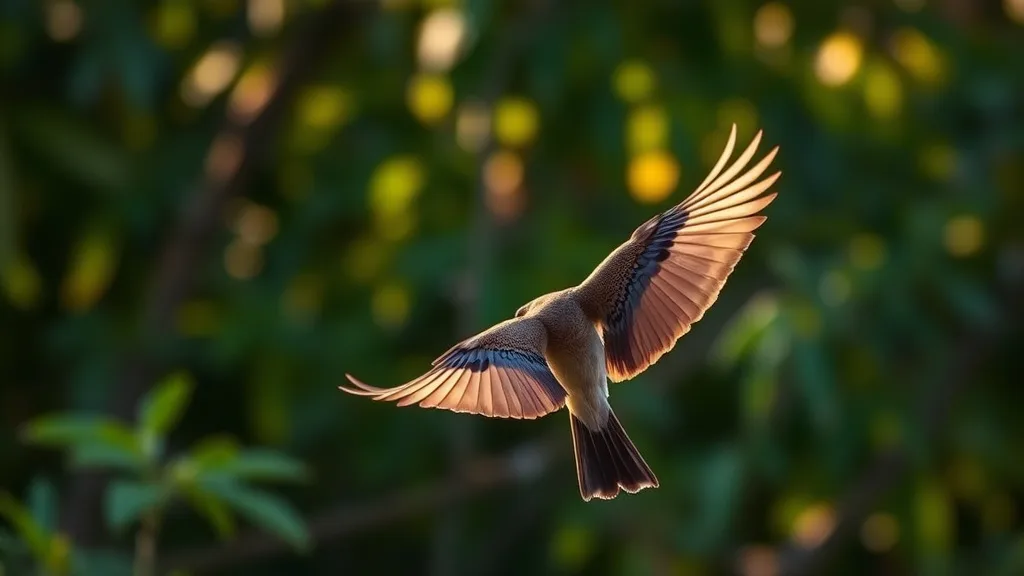
How to Identify Birds by Their Tail and Wing Shapes in Your Backyard
If you’ve ever spotted a bird in your backyard but struggled to identify it quickly, you’re not alone. Many birders find that plumage colors and markings can blend into the background or look similar across species. One reliable way to narrow down your bird ID is by paying close attention to the shape of their tails and wings during flight or while perched. These structural features often remain consistent and are key field marks that help differentiate species effectively.
This guide will walk you through how to observe and interpret bird tail and wing shapes, highlighting what to look for in typical backyard birders’ settings. You’ll learn practical techniques for glassing birds—whether through binoculars or spotting scopes—with an emphasis on optics quality, lighting conditions, weather impacts, and ethical observation practices.
See also: How to Identify Common Backyard Birds by Their Unique Features
Why Tail and Wing Shapes Matter for Bird Identification
Birds’ tail and wing shapes relate closely to their flight style, habitat preferences, and family group. For example, birds that need quick, agile flight through dense trees tend to have shorter, rounded wings and various tail shapes, while those soaring or gliding long distances often feature long, pointed wings and forked or deeply notched tails.
Tail and wing shapes rarely vary within a species, making these excellent clues — especially when feather colors or patterns aren’t visible or are ambiguous due to lighting, molt, or distance. Moreover, focusing on shape minimizes reliance on playback or close approaches, helping you follow birding ethics by avoiding disturbance.
How to Identify Birds by Tail and Wing Shapes: Step-by-Step
1. Equip Yourself with Quality Optics and Preparation
High-quality binoculars or a spotting scope with clear glass and good low-light performance make all the difference in spotting subtle shape details. Look for optics with a wide field of view so you can see the full wing and tail silhouette during flight or perched display.
Additionally, be mindful of:
- Lighting: Morning and late afternoon provide softer light good for silhouette observation.
- Weather: Overcast days reduce shadows but may lower contrast; clear days can create glare. Adjust your angle accordingly.
- Range: Use your optics to maintain a respectful distance where birds aren’t flushed but details are still visible.
2. Observe Tail Shape Features
When watching a bird, note the tail shape by considering:
- Tail length relative to body: Is it short, medium, or long?
- Tail end shape: Rounded, squared-off, forked, notched, wedge-shaped or graduated (feathers progressively longer or shorter)?
- Tail feather spread: Is the tail fanned wide or held closed during perching or flight?
Different tail shapes indicate family groups. Songbirds like sparrows typically have short, notched tails. Swallows exhibit long, deeply forked tails for agile flight, while hawks often show broad, rounded tails for soaring control.
3. Examine Wing Shape Characteristics
Wing shape is also telling and varies with flight style:
- Wing length: Proportionally long, medium, or short?
- Wing tip shape: Rounded, pointed, or “fingered” (primary feathers splayed)?
- Wing profile during flight: Is the wing curved or straight? Are the wings held flat, or angled upwards in a “dihedral”?
As a rule:
- Birds that glide or soar (raptors, gulls) usually have long, pointed wings.
- Those maneuvering through dense foliage (thrushes, warblers) have shorter, rounded wings.
- Swifts and swallows have swept-back, pointed wings for quick aerial maneuvers.
4. Combine Tail and Wing Observations
Use both tail and wing features together to improve accuracy. For example:
| Bird Group | Tail Shape | Wing Shape | Typical Habitat | Flight Style |
|---|---|---|---|---|
| Hawks & Falcons | Broad, rounded or notched | Long, pointed wings | Open fields, forests | Soaring, fast gliding |
| Songbirds (Sparrows, Thrushes) | Medium length, notched or rounded | Short, rounded wings | Shrubs, woodlands | Flapping, darting |
| Swallows & Martins | Deeply forked, long tails | Long, pointed, narrow | Open skies, water | Agile, fast flight |
| Woodpeckers | Stiff, square tails | Short, rounded wings | Forests | Undulating, short bursts |
Matching the tail and wing shapes with known groups narrows your options and helps confirm species when plumage is unclear.
5. Watch Behavior and Flight Patterns for Confirmation
Beyond shape, flight style further differentiates species:
- A bird with a deeply forked tail and pointed wings that darts swiftly near your feeders is likely a swallow.
- A bird with broad, rounded wings and a squared tail soaring high overhead is probably a hawk or buzzard.
- Small birds with bobbing movements, short rounded tails, and quick fluttering wings may be sparrows or finches.
Using shape plus behavior and flight tweaks your ID chances without disturbing the bird or relying on sound, which should be a last resort to avoid playback abuse.
6. Practice Ethical Birding in Your Backyard
Ethics in birding help protect wildlife:
- Avoid getting so close your bird flushes. Use optics for distance viewing.
- Don’t rely on playback calls unless in emergencies or research; it can stress birds.
- Be patient; most clues reveal themselves in quiet observation.
- Record your sightings and refer to detailed field guides afterward to confirm your ID.
Summary Comparison: Tail and Wing Shapes for Backyard Bird Identification
| Feature | Observation Tips | Typical Birds in Backyards | What Shapes Indicate |
|---|---|---|---|
| Tail length & shape | Note length relative to body; forked, rounded, notched, or square | Sparrows: short, notched; Swallows: forked; Woodpeckers: square stiff | Flight agility, family group |
| Wing length & tip shape | Rounded vs pointed tips; “fingered” primaries | Songbirds: rounded wings; Raptors: pointed | Flight style (glide vs maneuver) |
| Tail spread | Fanned or closed during flight or perched | Thrushes often fan tail when perched | Signaling, balance, flight control |
| Wing angle in flight | Flat, curved or dihedral | Hawks soar with flat wings | Soaring efficiency and stability |
Frequently Asked Questions
Q: Can wing and tail shapes help identify birds in poor lighting?
A: Yes. Shape silhouettes are often easier to discern in low light than color. High-quality optics help by maintaining clarity during dawn or dusk.
Q: Is tail shape always visible in flight?
A: Not always. Tail visibility depends on angle, distance, and behavior. Patience and using binoculars from a good vantage point improve your chances.
Q: Is it ethical to use playback to attract birds for shape observation?
A: Generally, no. Playback should be avoided in casual backyard birding to prevent stress. Instead, wait quietly, watch carefully, and respect the bird’s natural behavior.
By focusing on tail and wing shapes, you enhance your ability to quickly and ethically ID backyard birds. With practice and patience, these natural clues become second nature, enriching every backyard birding session. Happy birding!


