
How to Encourage Backyard Birds to Visit Your Garden Water Bath

By Robert Hale · Senior Editor
Published January 1, 2026 · Last reviewed May 12, 2026
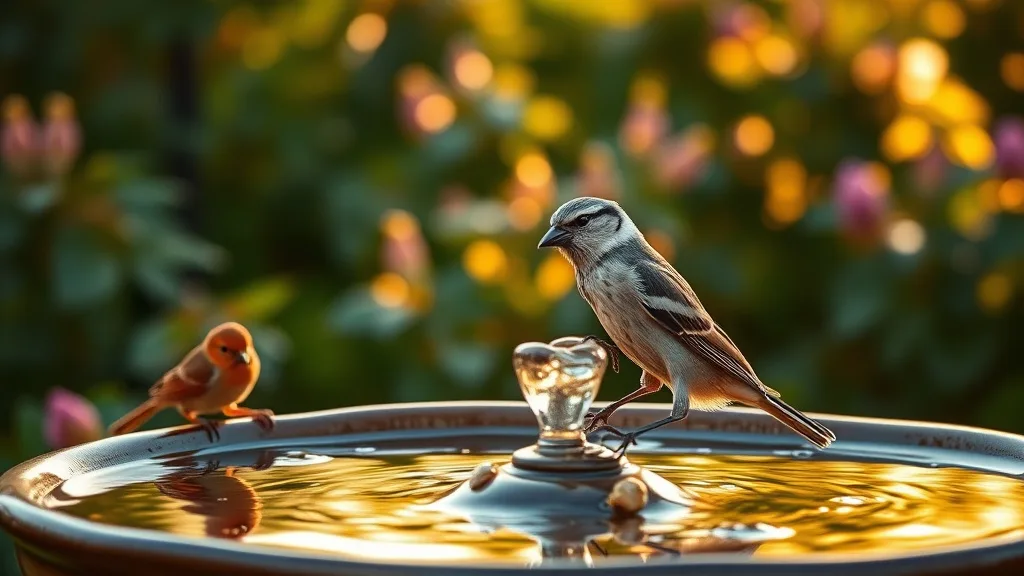
Many backyard birders struggle to attract birds consistently to their garden water baths. Whether the water source is overlooked due to location, poor maintenance, or unsuitable design, understanding how to create an inviting environment can make a big difference. This guide breaks down how to encourage more birds to visit your backyard water bath by focusing on optics quality (how well birds can approach safely), water features, placement, maintenance, and ethical considerations.
Why Birds Need Water Baths
Birds rely on fresh, clean water for drinking and bathing. Bathing helps birds keep their feathers in good condition by removing dust, parasites, and excess oils, which in turn aids in insulation and flight performance. During hot or dry periods, water baths become especially critical. However, birds are wary creatures. They avoid water baths that feel unsafe, are dirty, or don’t suit their species-specific preferences.
By improving your garden water bath setup, you’ll not only increase bird visits but also support the health and longevity of local bird populations.
See also: 16. [SPECIES: northern cardinal] How to Attract More Cardinals to Your Backyard
Step 1: Choose the Right Water Bath Design
Different species favor different bath designs. Understanding what works best for your local birds involves considering size, material, depth, and shape.
- Size: A bath roughly 12–18 inches in diameter with a shallow depth works best for most small to medium backyard birds.
- Depth: Water depth around 1 to 2 inches encourages safe bathing. Birds will hesitate if water is too deep or too shallow.
- Material: Natural materials like stone or ceramic heat and cool more evenly. Plastic is lightweight and portable but may degrade with sun exposure.
- Shape: Rounded basins with gently sloping sides assist birds in getting in and out easily. Avoid steep edges that might intimidate timid species.
The bath design matters, as it affects optics—how well birds can see around them to detect potential predators while drinking or bathing.
Step 2: Place Your Water Bath Strategically
Location plays a crucial role in bird visitation. Birds want to feel safe and be able to survey their surroundings easily.
- Proximity to cover: Position your water bath near shrubs, trees, or hedges where birds can easily escape if disturbed. However, avoid placing it too close to dense thickets that hide predators.
- Open sightlines: A spot with clear views around the bath allows birds to spot danger. This reduces their stress and increases usage.
- Sunlight: Morning sun warms the water and encourages birds to visit early. Still, partial shade during hot afternoons prevents water from overheating or evaporating quickly.
- Stable footing: Place the bath on a stable, level surface to avoid wobbling, which can deter birds from visiting.
Location Considerations Summary
| Factor | Ideal Condition | Why It Matters |
|---|---|---|
| Distance from Cover | 3-10 feet | Provides escape routes without hiding predators |
| Sightlines | Open and unobstructed | Birds can spot predators easily |
| Sunlight | Morning sun + partial afternoon shade | Keeps water warm but prevents overheating |
| Stability | Firm, level, steady base | Safe landing and bathing |
Step 3: Maintain Clean, Fresh Water Regularly
Birds are sensitive to water quality. Dirty or stagnant water invites flies, mosquitoes, and harmful bacteria, discouraging bird visits and even posing health risks.
- Frequency of change: Aim to refresh the water daily—or at least every two days in hot weather.
- Cleaning: Scrub the bath weekly with a brush to remove algae and biofilm, avoiding harsh chemicals that leave residues.
- Water additives: Avoid soaps, bleach, or insecticides. Using plain, fresh tap water or rainwater is best.
- Winter care: Prevent freezing by using heated baths or refreshing water in cold spells, so birds always have access.
Consistent maintenance shows birds your bath is a reliable source of clean water.
Step 4: Add Features to Make Your Bath More Bird-Friendly
Enhancing your water bath with certain features can improve optics, usability, and bird comfort.
- Shallow stones or pebbles: Placing small stones on the bottom lets ground feeders safely access water without submerging fully.
- Perches or branches: Nearby perches give birds rest areas to hydrate and preen before or after bathing.
- Dripping or circulating water: Moving water attracts birds more effectively than still water. Consider adding a drip system, bubbler, or small fountain.
- Multiple baths: If you have the space, using baths at different heights or locations accommodates various species’ preferences.
Be mindful not to overcrowd an area with too many features, which may overwhelm shy birds.
Step 5: Practice Ethical Birding Around Your Water Bath
While it’s natural to want to see many birds, your actions can impact their wellbeing.
- Avoid sudden movements: Approach water baths quietly and avoid rapid movements to prevent flushing birds unnecessarily.
- No playback or attractants: Don’t use recorded calls or food additives to lure birds aggressively, which can cause stress.
- Respect nesting and feeding areas: Keep pets away from bird activity zones and minimize human traffic near the water source.
- Monitor for safety: Regularly check for hazards such as bees, wasps, or puddling predators like cats.
Supporting natural behavior ensures sustainable and enjoyable birdwatching.
How to Monitor Your Water Bath Success
Track bird visits by observing at different times of day, noting species variety and bathing behavior. Adjust water bath placement or maintenance routines based on what you see.
Some practical tips for observation:
- Use binoculars or spotting scopes for discreet viewing.
- Keep a journal or use birding apps to record sightings.
- Change elements gradually to assess impact (e.g., try moving the bath and compare visit frequency).
Over several weeks, you’ll notice improved bird activity as the bath becomes more trusted.
Comparison Table: Water Bath Options for Backyard Birds
| Feature | Simple Basin | Drip Fountain | Heated Bath | Multiple Baths |
|---|---|---|---|---|
| Attractiveness to Birds | Moderate; still water, easy access | High; moving water draws attention | High in winter; prevents freezing | High; suits various species |
| Maintenance | Low | Moderate | Moderate to high | Variable, depends on setup |
| Cost | Low | Moderate | Higher due to heating element | Variable |
| Ease of Installation | Easy | Moderate | Moderate to difficult | Depends on number and type |
| Weather Resistance | Variable, depends on material | Good if electrical components protected | Good; designed for cold climates | Depends on individual baths |
| Best For | Beginners, simple birding setups | Those wanting more activity | Cold climates | Complex, diverse species gardens |
Conclusion
Encouraging more birds to visit your backyard water bath isn’t about fancy gadgets but understanding bird behavior and needs. By selecting the right bath design, locating it thoughtfully, maintaining fresh, clean water, and respecting bird ethics, you create a safe oasis that birds will return to day after day.
A little patience and care go a long way toward turning your garden into a thriving bird habitat.
Frequently Asked Questions
Q: How often should I refill my bird bath?
A: Ideally, every day, especially in hot weather. At a minimum, change water every two days to keep it fresh and clean.
Q: Can I use bird bath additives or soaps to keep water clean?
A: No, these chemicals can harm birds. Use plain tap or rainwater and clean the bath regularly with a brush.
Q: Is moving water really necessary to attract birds?
A: It’s not necessary but highly beneficial. Moving water catches birds’ attention better and helps deter mosquitoes and algae growth.


