
How to Differentiate Between Similar-Looking Backyard Bird Species

By Robert Hale · Senior Editor
Published January 1, 2026 · Last reviewed May 12, 2026
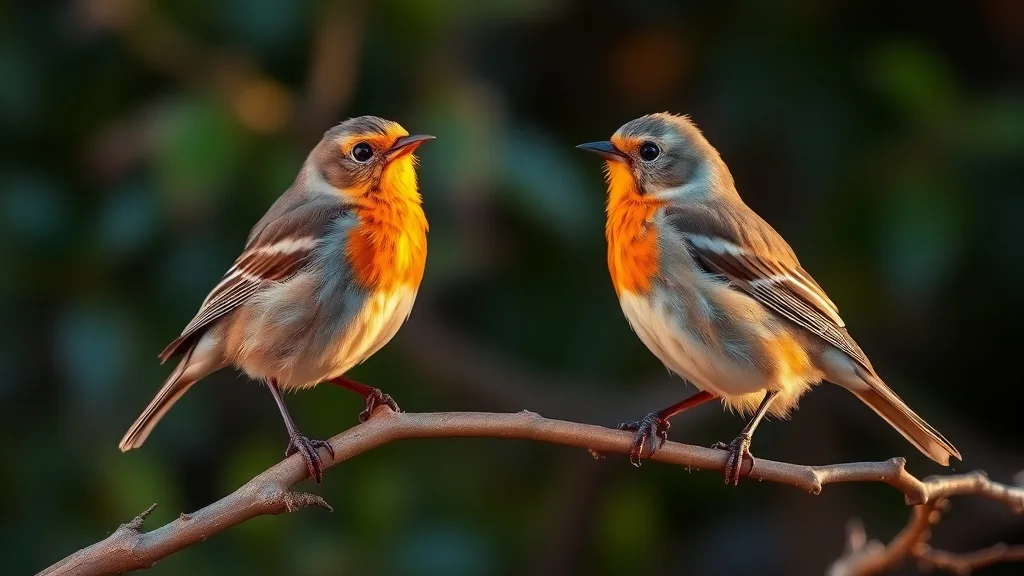
When backyard birders spot a bird through binoculars or a spotting scope, they often face a common challenge: multiple species may look almost identical at first glance. Differentiating these similar-looking birds can be frustrating, especially when subtle details are obscured by distance, poor lighting, or quick movements. This article guides you through practical steps to confidently identify backyard birds that resemble each other, helping you sharpen your birding skills and enjoy your yard visits even more.
Understanding the Challenge: Why Similar Birds Confuse Us
Many bird species share plumage colors, sizes, or shapes due to evolutionary convergences or simple coincidence. For example, small sparrows, warblers, or finches often have overlapping brown, gray, or olive hues and similar body forms. Differences may be slight, such as a wing bar, eye ring, or subtle contrasts in color. These details are easy to miss, especially under typical backyard viewing conditions where birds move quickly, or lighting is less than ideal.
Before delving into specific identification tips, remember that optics quality, viewing distance, and light levels will all affect what you can see. High-quality binoculars or a spotting scope with good light transmission and sharp focus edges help reveal critical field marks. Also, respecting bird ethics by minimizing disturbance — no flushing or excessive playback — will encourage natural behavior and better viewing opportunities.
See also: How to Identify Common Backyard Birds by Their Unique Features
Step-by-Step Approach to Differentiate Similar-Looking Birds
1. Start with Size and Shape
Size and shape are often the first clues. Compare the unknown bird to species you already know in your yard or nearby. Is it smaller or larger than a common sparrow? Does it have a stout bill or a thin, delicate one? Is the tail long or short? Is the body slim or chunky?
Use your optics to note posture and proportions. For example:
- “Chickadees typically have a round head and short neck.”
- “Sparrows tend to be more robust with a conical bill.”
These general shape differences can narrow down options even before color details emerge.
2. Observe Distinctive Plumage Patterns
Look for specific markings such as wing bars, throat patches, eye rings, streaking, or spots:
- A single wing bar might indicate one species,
- Double wing bars might suggest another,
- Stripes on the head or crown patterns can be key.
Use daylight to your advantage. Early morning or late afternoon light can enhance contrast, making subtle colors or patterns more visible.
3. Check Color Shades and Contrast
Not all browns or grays are equal. Look closely at the tone and placement of colors:
- Is the bird’s breast a warm, rusty brown or a cooler gray?
- Are the feathers on the back more olive or plain brown?
- Do light areas have a yellow, cream, or white tint?
This often requires patience and repeated glances, sometimes tracing a bird’s movement to catch different angles and lighting.
4. Listen to Vocalizations and Behavior
Beyond visual cues, behavior is a telltale. Note how the bird moves:
- Does it hop on the ground or flick tail in the air?
- Does it boldly perch in the open or stay hidden in dense brush?
Birdsong and calls can clinch the ID when plumage is ambiguous. Learning and using audio guides or apps helps differentiate similar species by their unique sounds. Always use playback responsibly and sparingly to avoid stressing birds.
5. Assess Habitat and Time of Year
Some look-alikes prefer different habitats, even within the same yard or neighborhood. One species might favor open lawns, another thickets or feeders. Migration timing can also help exclude or include species, especially for warblers and sparrows.
6. Use Field Guides and Apps for Confirmation
Carry a detailed field guide with clear color plates or photos emphasizing subtle differences. Digital birding apps often have comparison tools letting you contrast two similar species side by side. Cross-reference your observations with multiple sources for confirmation.
Identification Comparison: Two Common “Brown Sparrow” Species
| Feature | Species A | Species B | Notes |
|---|---|---|---|
| Size | Approx. 6 inches | Slightly smaller, about 5.5 inches | Species A is bulkier |
| Bill Shape | Thick, conical | Thin and slightly pointed | Bill shape visible through binoculars |
| Wing Bars | Two clear white wing bars | One faint wing bar | Wing bars more distinct on Species A |
| Breast Color | Warm, rusty brown streaking | Pale gray with faint spots | Breast tone helps differentiate |
| Eye Rings | No distinct eye ring | Thin, white eye ring present | Eye ring may be a crucial clue |
| Preferred Habitat | Open grassy fields | Brushy edges or hedgerows | Watch where the bird is seen |
| Song | Series of trills and rapid chirps | Short, high-pitched chip notes | Listen closely with binoculars or app |
Avoiding Common Pitfalls
- Relying only on one feature: Single characteristics like color or wing bars can vary with molt stages, wear, or light conditions. Use a combination of traits.
- Assuming size by memory: Distance and perspective can deceive. Compare size relative to nearby known objects like feeders or other birds.
- Ignoring behavior and habitat: These sometimes offer better clues than plumage alone.
- Overusing playback: Excessive birdcalls can disrupt natural behaviors and cause stress.
- Skimping on optics quality: Lower-grade binoculars might blur edges and mute crucial colors.
By applying a holistic approach — combining optics-enhanced visual clues with behavior, sound, and environment — you’ll become more confident in your identifications over time.
Frequently Asked Questions
Q: How important is good lighting in bird identification?
A: Very important. Good lighting reveals fine details in plumage color and patterns that can be critical for differentiating similar species. Early morning or golden hour often provides the best light.
Q: Can I identify birds accurately with just the naked eye?
A: For experienced birders, yes, but using optics greatly improves accuracy, especially with smaller or more cryptic species seen at distance or in low light.
Q: What’s the best way to learn bird songs responsibly?
A: Use reputable apps or field guides to listen to songs, practice identifying them in your yard or local parks, and limit or avoid playback use to prevent disturbing birds.
By focusing on a combination of size, shape, plumage details, behavior, vocalizations, and habitat context, and by enhancing your field experience with quality optics and ethical birding practices, you’ll soon be telling apart even the trickiest backyard bird look-alikes. Happy birding!


