
How to Attract Warblers to Feeders (And to Your Backyard)

By Robert Hale · Founder & Field Editor, BirdLedger
Published January 1, 2026 · Last reviewed May 12, 2026
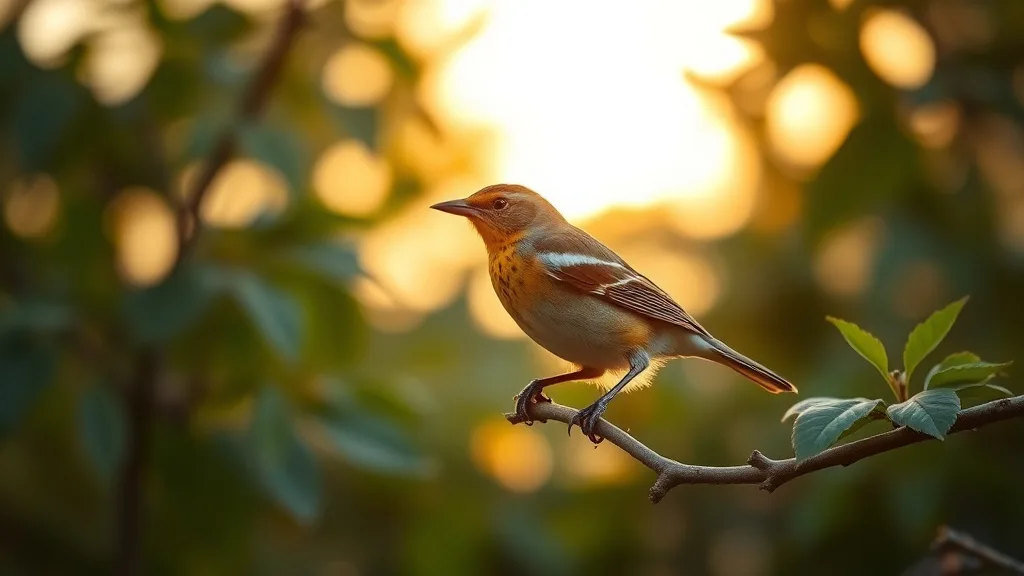
The most common mistake backyard birders make with warblers is putting out a seed feeder and waiting. It won’t work. Warblers are insectivores. They eat caterpillars, beetles, flies, gnats, and small spiders. A tube feeder full of sunflower seed is as relevant to a Yellow Warbler as a bowl of gravel. The birds that will come to your seed feeders — sparrows, finches, chickadees — are not warblers.
| Feature | Food Sources | Habitat Requirements | Attraction Tips |
|---|---|---|---|
| Preferred Diet | Insects, berries | Dense shrubs, trees | Plant native vegetation |
| Water Sources | Birdbaths, streams | Clean, shallow water | Add a small water feature |
| Shelter | Thick foliage | Safe nesting spots | Avoid pesticides |
That doesn’t mean you can’t attract warblers. It means you need to offer what they actually want.
Moving Water Is the Single Most Effective Attractor
In 20 years of leading birding trips, I’ve watched more warblers drop into backyards with moving water than any other setup. Still birdbaths work. Moving water — a dripper, a mister, a recirculating fountain — works dramatically better.
The sound carries. Warblers on migration or moving through a neighborhood will key in on the sound of dripping water from surprising distances. A simple misting kit mounted over a platform bird bath is the most cost-effective warbler setup you can build. The mist creates movement on the water surface and airborne humidity that birds find in the wild near streams and seeps.
Keep the bath shallow — no deeper than 2 inches — and clean it every 2–3 days. Stagnant water discourages use and breeds mosquitoes.
See also: 13. Best Suet Feeders and Which Birds They Actually Attract
Native Plants Are the Long Game
The reason warblers exist in large numbers in some yards and rarely in others usually comes down to caterpillar availability. Native trees and shrubs host orders of magnitude more caterpillar species than ornamentals. An oak tree can support over 500 species of Lepidoptera larvae. A Bradford pear supports fewer than 10.
This is a multi-year investment, not a quick fix. But if you’re serious about consistent warbler presence rather than occasional migration stopovers, native plantings are the foundation. Native oaks, dogwoods, viburnums, and serviceberries attract the insect community that attracts warblers. A platform feeder near your plantings can also offer mealworms — live or dried — which some warbler species will take, particularly Yellow-rumped Warblers in fall and winter.
When to Expect Them
Spring migration in the eastern US peaks mid-April through mid-May. In the upper Midwest and New England, peak migration runs late April into late May. In the West, migration timing and species composition differ significantly — Wilson’s, Yellow, MacGillivray’s, and Townsend’s Warblers are the species to expect depending on your region.
Fall migration is more diffuse and quieter — birds aren’t singing, are often in subdued plumage, and move through more gradually from August into October. Spring is the window for the biggest numbers and the most species.
Which Warblers Actually Come to Backyards
Most warbler species are forest-interior birds. They’re moving through your yard, not resident in it. The species most consistently found in backyards during migration are:
Yellow Warbler, Yellow-rumped Warbler (the most common and adaptable), Common Yellowthroat (especially near water), American Redstart, and Palm Warbler in the East. In the West, Yellow and Wilson’s Warblers regularly use suburban gardens with mature trees and water.
Pine Warblers and Yellow-rumped Warblers are the two species most likely to actually winter in a well-set-up backyard in the Southeast, and both will occasionally take suet from a standard suet feeder.
Bottom Line
Set up moving water first — a misting kit over a shallow bath. Plant one native tree or shrub if you have space. Be present during migration windows with binoculars in hand. That combination will bring warblers through reliably, and the moving water will keep them coming back to drink and bathe on their way north.
Warblers are drawn to movement, so consider adding a solar-powered fountain or a simple dripper to your birdbath. The sound and sparkle of moving water mimics natural streams and rain, triggering their foraging instincts. Position it near shrubs or trees where warblers can perch and scout safely. Avoid deep basins—warblers prefer shallow water (1-2 inches max) with textured surfaces for grip. A rough concrete or stone bath beats slick ceramic. If mosquitoes are a concern, change the water every 2-3 days rather than using chemicals, which can deter birds.
Beyond water, warblers seek dense foliage for cover and nesting. Native plants like dogwood, serviceberry, or oak support caterpillars—their primary food source. Skip overly manicured hedges; warblers favor slightly wild patches with layered vegetation. A mix of tall trees, mid-height shrubs, and ground cover creates ideal foraging zones. If space is limited, even a cluster of potted native plants on a balcony can help. Remember: warblers hunt by sight, so avoid pesticides. A single sprayed aphid can wipe out a warbler’s meal for hours.
For close-up views, invest in lightweight binoculars with a wide field of view (8x42 or 10x42 models are ideal). Warblers flit quickly, so fast focus and good light transmission are key. Mid-range optics from brands like Vortex or Nikon often outperform cheap zoom binoculars. Pair them with a field guide app like Merlin to ID birds by song—warblers are more often heard than seen. Early mornings in spring and fall, when migration peaks, offer the best chances. Patience beats gear; sit still near their preferred spots, and let them come to you.
FAQ
Will a bird feeder actually attract warblers to feeders in my yard?
Rarely with a standard seed feeder. Warblers are insectivores — they eat caterpillars, beetles, gnats, and spiders, not birdseed. A tube or hopper feeder full of sunflower seed draws chickadees, finches, and sparrows, but not warblers. The exception is suet: Yellow-rumped Warblers and, less often, Pine Warblers will take suet in fall and winter when insects are scarce. See our guide to the best bird feeders for backyard birding for feeder types that work for insect-eating species.
What actually attracts warblers to a backyard if feeders don’t?
Moving water is the single best draw — a dripper, mister, or small fountain over a shallow bath outperforms a still birdbath by a wide margin. Native trees and shrubs are the second lever: an oak can host over 500 species of caterpillar larvae that warblers hunt, while ornamentals like Bradford pear host almost none. For the full setup, see Creating a Bird-Friendly Habitat in Your Backyard, Step by Step.
When are warblers most likely to show up in a backyard?
Spring migration brings the highest numbers and the most species — mid-April through late May across most of the eastern and central US, later further north. Fall migration runs roughly August through October but is quieter: birds move through in duller plumage and aren’t singing. For species-by-species timing and identification tips, see Tips for Attracting and Identifying Backyard Warblers in Spring.
Which warbler species are most likely to visit a backyard?
Yellow-rumped Warbler is the most common and adaptable backyard visitor, followed by Yellow Warbler, Common Yellowthroat (especially near water), American Redstart, and Palm Warbler in the East. In the West, Yellow and Wilson’s Warblers show up most often in suburban yards with mature trees and water. Most other species are forest-interior birds passing through on migration rather than yard residents.

