
How to Attract Rare Bird Species to Your Backyard Yearly

By Robert Hale · Senior Editor
Published January 1, 2026 · Last reviewed May 12, 2026
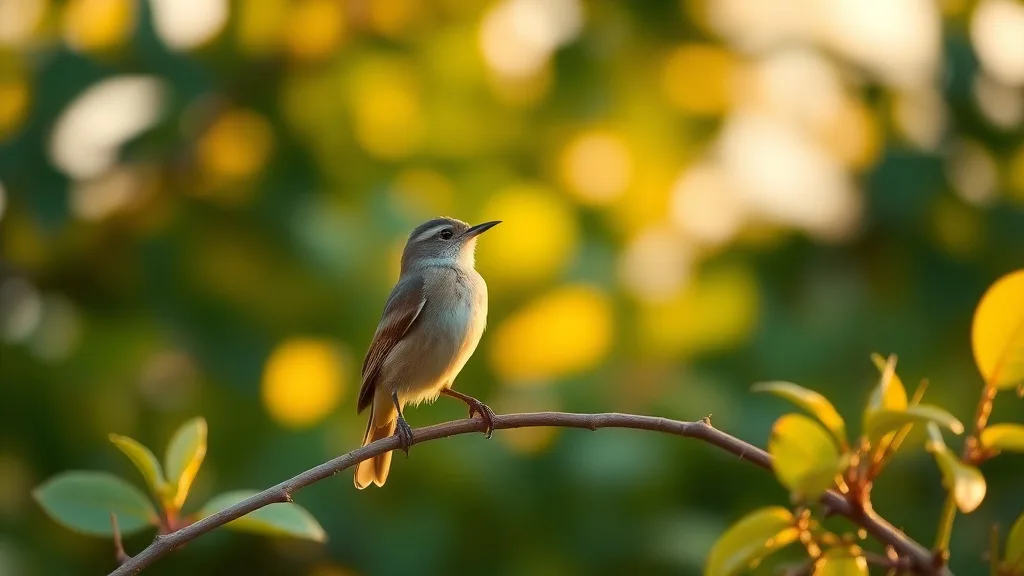
Attracting rare bird species to your backyard year after year can feel like a frustrating challenge. You may have tried feeders, birdbaths, or planting native flora, only to end up with the same common sparrows and finches. The problem isn’t just luck—it’s about creating the right habitat, offering appropriate food, and practicing ethical birding strategies that encourage these elusive visitors to return season after season.
Why Attracting Rare Birds Requires More Than Seed
Rare birds typically have specialized habitat preferences or migratory patterns that make them uncommon visitors to most backyards. Simply tossing out generic seed mixes or setting up a standard feeder won’t meet their needs. To draw these species consistently, your approach must be holistic, informed by local ecology, and mindful of ethical birding.
See also: Creating a Backyard Bird Feeding Station for Seasonal Species Diversity
Step 1: Research Local Rare Species and Their Needs
Before making any changes, identify which rare species are feasible visitors in your region and what they require. Use local bird atlases, community science databases like eBird, and regional birding guides. Look for:
- Preferred food types (insects, nectar, fruit, specific seeds)
- Habitat (woodland edges, wet areas, open fields)
- Seasonal timing (migration periods, breeding seasons)
This research helps you prioritize actions that are realistic and effective.
Step 2: Optimize Your Habitat for Rare Birds
Rare birds often need specialized habitat features not found in typical suburban yards. Incorporate:
- Native plants: Choose a mix of native trees, shrubs, and flowers that provide food (berries, seeds, nectar) and shelter.
- Water sources: Add a birdbath or small pond with clean, fresh water. Dripping or moving water features attract birds more effectively.
- Nesting sites: Provide natural or artificial nesting habitats suited to targeted species.
Avoid over-manicuring your yard. Leaving leaf litter, dead wood, or natural brush piles supports insect populations vital for many insectivorous rare birds.
Step 3: Offer Targeted Food Sources
Generic birdseed often appeals mostly to common backyard birds like house sparrows, finches, or pigeons. To attract rarer species:
- Use specialized feeders: Suet cakes for woodpeckers and nuthatches, nectar feeders for hummingbirds or orioles.
- Plant fruiting trees and shrubs: Serviceberry, dogwood, elderberry, and sumac offer natural food.
- Encourage insect life: Avoid pesticides and plant native flowers to support caterpillars, beetles, and other insects.
Be patient—new feeding strategies may take time before they influence bird presence.
Step 4: Practice Ethical Birding to Encourage Returns
Ethics play a vital role in sustaining rare bird visits. Avoid tactics that stress or harm birds:
- No flushing birds out of cover to get a better look or photo.
- Use playback responsibly—ideally sparingly or not at all, especially during breeding seasons.
- Maintain cleanliness at feeders and baths to prevent disease spread.
By demonstrating respect for wildlife, you build a backyard environment where rare birds feel safe returning year after year.
Step 5: Monitor and Adapt Annually
Rare bird attraction is rarely a “set and forget” process. Keep records of sightings, note which habitat or feeding changes coincide with visits, and adjust where needed. Joining local birding groups or online forums can provide support and tips from those targeting the same species.
Comparison Table: Attracting Rare Birds vs. Common Birds
| Feature | Rare Birds | Common Birds |
|---|---|---|
| Food Preferences | Specialized (specific insects, fruits) | Generalized seed mixes, suet |
| Habitat Needs | Specific native plants, diverse cover | Tolerant of urban garden and feeders |
| Response to Feeding | May avoid unnatural feeders or crowded areas | Easily habituated to feeders |
| Use of Playback | Potentially harmful if overused | Generally resilient but still cautious |
| Seasonal Visits | Often migratory or breeding specialists | Mostly year-round residents |
| Garden Management | Requires less manicured, diverse habitat | Lawn and ornamental shrubs suffice |
Final Thoughts on Cultivating Rare Bird Visits
Attracting rare species annually demands commitment and learning. By focusing on creating a native, insect-friendly habitat, supplying appropriate food options, and practicing ethical backyard birding, you create an inviting patch of nature in your own yard. Over time, these steps can turn rare glimpses into anticipated visits.
Frequently Asked Questions
Q: How long does it usually take to attract a rare bird after habitat changes?
A: It can vary from a single season to several years. Patience and consistency are key, especially as native plants mature and insect populations stabilize.
Q: Is playback ever appropriate to attract rare birds?
A: Playback should be used sparingly and with caution, primarily outside of breeding seasons. Overuse can stress birds and disrupt natural behaviors.
Q: Can I use non-native plants to attract rare birds?
A: Native plants are preferred because they support native insects and fruit production tailored to local bird species. Non-native plants often do not provide suitable nutrition or habitat.

