
Robert Hale · Founder & Field Editor, BirdLedger
Former naturalist guide and lifelong birder from Vermont. Robert has spent two decades in the field—from boreal bogs to Gulf Coast shorelines—and built BirdLedger to help birders make smarter gear decisions.
How to Attract Bluebirds to Your Backyard: Nest Boxes and Berry Bushes
By Robert Hale · Founder & Field Editor, BirdLedger
Published May 28, 2026
BirdLedger is reader-supported. When you buy through links on our site, we may earn an affiliate commission. This helps us fund our field testing and keep our reviews independent.
How to Attract Bluebirds to Your Backyard: Nest Boxes and Berry Bushes
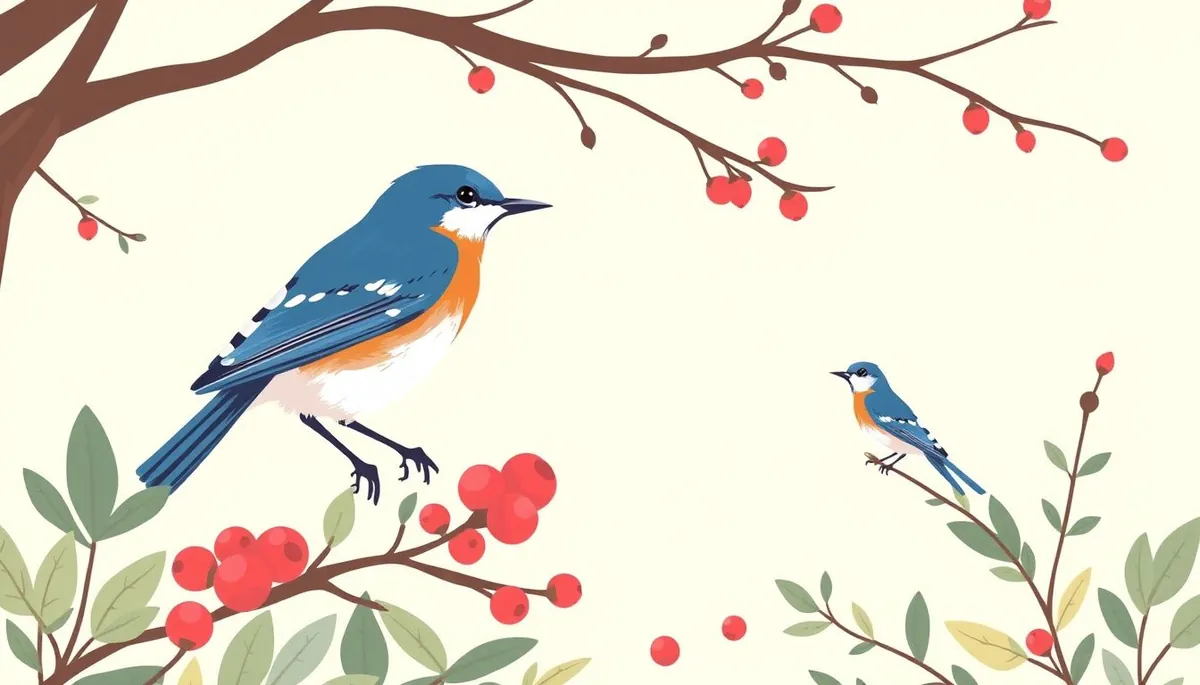
Eastern Bluebirds are a welcome sight in any backyard. Their striking blue plumage and cheerful song make them a favorite among birders. But attracting these beautiful birds takes more than just luck. Bluebirds are cavity nesters, meaning they rely on existing holes in trees or, more commonly these days, nest boxes. They also have specific dietary needs, particularly during nesting season. This guide will walk you through the steps you can take to attract bluebirds to your yard, focusing on providing suitable nesting sites and planting the right types of food sources.
Why Attract Bluebirds?
Beyond their aesthetic appeal, bluebirds are beneficial to have around. They primarily eat insects, helping to control populations of pests like caterpillars, grasshoppers, and beetles. This makes them a natural form of pest control for your garden. Furthermore, attracting bluebirds contributes to the conservation of these birds, as their populations have faced challenges due to habitat loss and competition with other cavity-nesting species like House Sparrows and European Starlings. Setting up a properly designed nest box and providing natural food sources can significantly increase their chances of nesting and raising healthy broods.
Providing the Perfect Bluebird Nest Box
The most effective way to attract bluebirds is to provide a suitable nesting site. Here’s what to look for in a bluebird nest box and how to properly install it:
Nest Box Design Features
- Entrance Hole Size: This is critical. A 1 1/2-inch diameter entrance hole is ideal. This size allows bluebirds to enter but deters larger, more aggressive birds like starlings.
- Box Material: Untreated cedar or redwood is best. These woods are durable and naturally weather-resistant. Avoid pressure-treated wood, as the chemicals can be harmful to birds. Pine can be used, but it won’t last as long.
- Ventilation and Drainage: The box should have small ventilation holes near the top and drainage holes in the bottom to prevent moisture buildup.
- Predator Guard: A predator guard around the entrance hole can help protect the nest from snakes, raccoons, and other predators. A simple metal cone or a larger overhanging roof can be effective.
- Avoid Perches: Contrary to what you might think, do not include a perch under the entrance hole. Perches actually help predators access the nest. Bluebirds don’t need them.
- Easy Access for Cleaning: The box should be designed for easy opening, allowing you to clean it out after each nesting season. This helps remove old nesting material and parasites, making the box more attractive for future nesting.
Nest Box Placement
- Location: Choose an open area with short grass, ideally facing a field or meadow. Bluebirds prefer open areas where they can easily spot insects.
- Height: Mount the nest box on a pole or post at a height of 5-10 feet.
- Facing Direction: Face the entrance hole away from prevailing winds and hot afternoon sun. East or southeast-facing is generally best.
- Spacing: If you’re putting up multiple boxes, space them at least 100 yards apart. Bluebirds are territorial during nesting season.
- Monitoring: Check the nest box regularly (but discreetly) during the nesting season to monitor for nesting activity and remove any unwanted nests from non-native species like House Sparrows.
Recommended Nest Boxes
While we haven’t yet directly tested nest boxes, here are a few highly-rated options that meet the criteria above:
- Nature House Bluebird House: A classic cedar box with ventilation, drainage, and easy opening for cleaning.
- Woodlink NABH18 Audubon Bluebird House: A durable redwood box with a predator guard and a 1 1/2-inch entrance hole.
- Erva Tool-Free Bluebird House: Easy to assemble and clean, made from weather-resistant recycled plastic.
Planting Berry Bushes to Supplement Their Diet
While bluebirds primarily eat insects, berries are an important part of their diet, especially during the fall and winter months when insects are scarce. Planting native berry bushes can provide a sustainable food source and attract bluebirds to your yard year-round.
Best Berry Bushes for Bluebirds
- Eastern Red Cedar (Juniperus virginiana): This evergreen tree produces bluish-purple berries that are a favorite of bluebirds. It’s also a great source of cover during the winter.
- American Holly (Ilex opaca): Another evergreen with bright red berries that persist throughout the winter. Be sure to plant both male and female trees for berry production.
- Dogwood (Cornus spp.): Flowering dogwood (Cornus florida) and gray dogwood (Cornus racemosa) both produce berries that are attractive to bluebirds.
- Serviceberry (Amelanchier spp.): These shrubs or small trees produce delicious berries in early summer that are quickly devoured by birds.
- Viburnum (Viburnum spp.): Many species of viburnum produce berries that are attractive to bluebirds, including arrowwood viburnum (Viburnum dentatum) and blackhaw viburnum (Viburnum prunifolium).
- Elderberry (Sambucus canadensis): Produces large clusters of dark purple berries in late summer.
Planting and Care Tips
- Choose Native Species: Native berry bushes are best because they are adapted to your local climate and provide the most nutritious food for bluebirds.
- Plant in Full Sun: Most berry bushes require at least six hours of sunlight per day to produce abundant fruit.
- Well-Drained Soil: Ensure the soil is well-drained to prevent root rot.
- Water Regularly: Water newly planted bushes regularly until they are established.
- Prune Annually: Prune berry bushes annually to remove dead or damaged branches and encourage fruit production.
Supplemental Feeding: When Berries Aren’t Enough
While berry bushes provide a natural food source, you can also supplement bluebirds’ diet with mealworms, especially during nesting season and cold weather.
Why Mealworms?
Mealworms are a high-protein food source that is particularly beneficial for bluebirds during nesting season when they need extra energy to raise their young. They are also a good source of hydration, which can be important during dry periods.
Offering Mealworms
- Purchase Live or Dried Mealworms: You can purchase live or dried mealworms from most pet stores or online retailers.
- Use a Mealworm Feeder: Offer mealworms in a dedicated mealworm feeder. These feeders typically have a shallow dish or tray that prevents the mealworms from escaping.
- Location: Place the mealworm feeder near the bluebird nest box or in an area where you have seen bluebirds foraging.
- Consistency: Offer mealworms consistently, especially during nesting season and cold weather.
A Note on Other Foods
While bluebirds may occasionally eat other foods like fruit and seeds, mealworms and berries are their preferred choices. Avoid offering bread or other processed foods, as these are not nutritious and can be harmful to birds. You can find the [Best Squirrel-Proof Bird Feeders — Tested Against an Actual Squirrel Problem](add slug) to ensure that squirrels don’t steal the mealworms.
By providing a suitable nest box, planting berry bushes, and offering supplemental food sources like mealworms, you can create a welcoming habitat for bluebirds in your backyard. With a little effort, you can enjoy the beauty and benefits of these wonderful birds for years to come.