
Creating Safe Nesting Spots to Encourage Backyard Bird Breeding

By Robert Hale · Senior Editor
Published January 1, 2026 · Last reviewed May 12, 2026
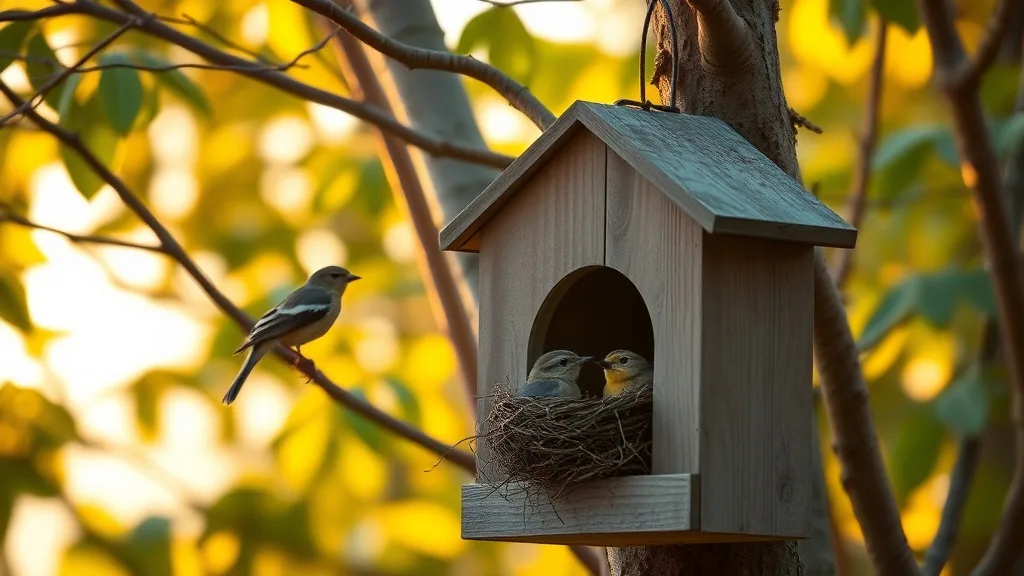
Creating Safe Nesting Spots to Encourage Backyard Bird Breeding
If you often find birds visiting your yard but notice they rarely stay to nest or raise their young, you may be missing critical elements that make a nesting site safe, comfortable, and appealing. Backyard birds need more than just food and water; they require secure and suitable nesting spots to breed successfully. This article guides you through understanding what safe nesting spots are, how to create them, and key considerations to ensure your efforts support ethical and effective bird breeding.
What Are Safe Nesting Spots?
Safe nesting spots are locations in your backyard that provide birds with protection from predators, harsh weather, and human disturbance while offering an environment conducive to raising chicks. These spots can be natural—such as dense shrubs or mature trees—or artificial, like nest boxes or platforms designed to mimic natural conditions.
Key attributes of safe nesting spots include:
- Shelter: Protection from rain, wind, and extreme temperatures.
- Concealment: Cover to hide nests from predators like cats, squirrels, and crows.
- Proximity to resources: Easy access to food and water.
- Low disturbance: Minimal risk of humans or pets accidentally disturbing the nests.
See also: The Importance of Native Trees for Supporting Backyard Bird Life
How Safe Nesting Spots Encourage Breeding
Birds are naturally cautious when selecting a place to nest because raising young is resource-intensive and survival depends heavily on the nest’s safety. A site that provides adequate shelter and concealment lowers the risk of predation, increases chick survival rates, and encourages birds to return in subsequent seasons.
For backyard birders, providing these conditions not only supports local bird populations but also increases the chances of observing fascinating nesting behaviors up-close without causing harm or stress to the birds.
How to Create Safe Nesting Spots in Your Backyard: Step-by-Step
1. Identify Suitable Locations
Observe your yard at different times of day to see where birds already frequent, especially species that nest locally. Look for areas with:
- Dense foliage or natural cover like evergreen trees, thick shrubs, or brush piles.
- Quiet zones away from high traffic or noisy areas.
- Elevated spots that keep nests away from ground predators.
2. Provide Natural Cover
If your yard lacks dense vegetation, consider planting native shrubs and small trees that grow thick branches and leaves, such as:
- Serviceberry (Amelanchier)
- Dogwood (Cornus)
- Hazelnut (Corylus)
Native plants tend to attract native insects and are more resilient, creating sustainable habitats. Plant clusters rather than isolated shrubs to increase hiding spots for nests.
3. Install Nest Boxes Thoughtfully
Nest boxes can supplement natural cavities, especially in areas where mature trees are scarce. Choosing the right box depends on the species you want to attract. Important factors include:
- Size of the box entrance hole.
- Height placement (usually 5-15 feet off the ground).
- Orientation (preferably facing away from prevailing winds).
- Ventilation and drainage to avoid overheating or water pooling.
Position boxes in shaded areas with plenty of nearby cover and away from feeders to reduce predator traffic.
4. Minimize Predators and Hazards
Predation is the biggest cause of nest failure. You can improve safety by:
- Installing predator guards around nest boxes (metal baffles or cones to prevent climbing).
- Keeping cats indoors or supervising outdoor time.
- Avoiding placing nests near bird feeders, which attract predators.
- Clearing dense ground cover where snakes or rodents may hide.
5. Maintain Appropriate Water Sources
Birds require water for both drinking and bathing. A clean birdbath or small pond nearby encourages breeding pairs to frequent your yard. Ensure water is shallow (1-2 inches) and refreshed regularly to prevent mosquito larvae buildup.
6. Respect Bird Ethics: Observe Without Disturbing
Use binoculars or cameras with zoom to watch nest activity without approaching too closely. Avoid playback calls, flashing lights, or touching nests, as these can cause birds to abandon their young. Educate family members and visitors about keeping a respectful distance.
Comparison Table: Natural Cover vs. Nest Boxes for Backyard Breeding Birds
| Feature | Natural Cover | Nest Boxes |
|---|---|---|
| Shelter Quality | Excellent, varies with plant maturity | Good if well-constructed and maintained |
| Concealment | High, especially in dense shrubs and trees | Moderate, depends on placement and design |
| Species Attracted | Broad; suitable for many native cavity and open-cup nesters | Species-specific; favors cavity nesters |
| Installation Effort | High initially (planting and growth time) | Moderate: requires purchase and installation |
| Maintenance Required | Low to moderate (pruning, invasive plant control) | Moderate: cleaning and repair annually |
| Risk of Predation | Potentially lower due to concealed environment | Can be mitigated with predator guards |
| Seasonal Flexibility | Year-round habitat but seasonal suitability varies | Seasonal use; boxes need to be put up before breeding season |
Common Pitfalls to Avoid
Over-manipulation
Frequent visits to nests or excessive landscaping can scare birds away. Place nests or boxes and then limit interference.
Incorrect Box Placement
Mounting boxes too low, in direct sun, or facing prevailing winds can decrease attractiveness and survival chances.
Ignoring Local Species Needs
Not all birds use nest boxes; some require ground or open cup nests in specific plants. Research local species breeding habits.
Predators and Competitors
Allowing predators free reign or installing nest boxes near feeders can invite unwanted guests.
Relying Solely on Artificial Solutions
Natural habitats are irreplaceable. Use nest boxes to supplement—not replace—native vegetation.
Final Thoughts
By carefully observing your backyard’s existing characteristics and making small, considered changes, you can create safe, attractive nesting spots that encourage breeding birds. This enhances your birding experience while contributing positively to local biodiversity. Always prioritize bird welfare and ethical observation techniques as you support your backyard birds through their breeding cycle.
Frequently Asked Questions
Q: When is the best time to install nest boxes?
A: Ideally, install boxes at least a month before the local breeding season begins to allow birds time to discover and inspect them.
Q: How can I keep predatory cats away from nesting areas?
A: The best method is keeping cats indoors. For outdoor cats, supervise their time outside and use barriers or motion-activated deterrents near nest sites.
Q: Can I help birds by feeding them during breeding season?
A: Feeding can support energy needs but avoid placing feeders too close to nests, which may attract predators. Also, maintain hygiene to prevent disease.


