
Creating a Year-Round Feeding Schedule for Backyard Bird Health

By Robert Hale · Senior Editor
Published January 1, 2026 · Last reviewed May 12, 2026
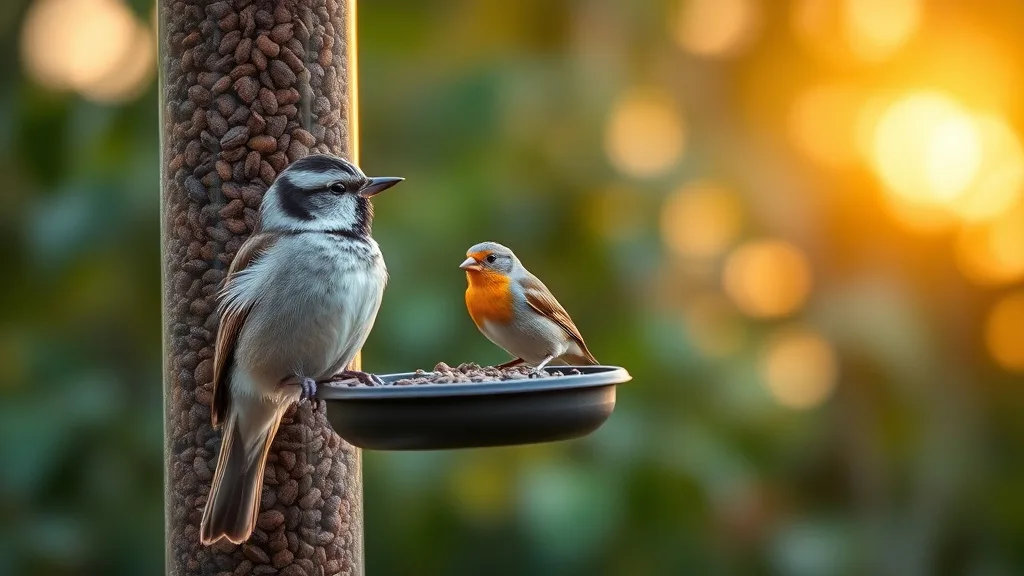
Creating a consistent and appropriate feeding schedule that supports backyard bird health year-round is a common challenge for birders. Many enthusiasts wonder how to adjust their feeding routines to accommodate seasonal changes in bird behavior, natural food availability, and weather conditions without damaging local bird populations or encouraging unhealthy dependency.
What It Is: A Year-Round Bird Feeding Schedule
A year-round feeding schedule is a thoughtfully planned routine that specifies what, when, and how to feed wild birds throughout the seasons. It takes into account variations in climate, daylight, bird species’ changing nutritional needs, and natural food cycles. Instead of feeding birds sporadically or continuously in the same way, this approach helps maintain bird health, supports natural behaviors like migration and breeding, and reduces risks of disease or aggressive feeding site interactions.
See also: Seasonal Changes: Adjusting Your Backyard Bird Feeders Effectively
How It Works: The Principles Behind Seasonal Bird Feeding
1. Matching Food to Seasonal Needs
Birds require different nutrients and energy at various points in the year. For example, high-fat seeds and suet are critical in winter to help birds maintain body heat, while protein-rich insects and fruits become important in spring and summer for breeding and raising young.
2. Adjusting Feed Volumes and Frequency
During colder months, birds expend more energy and may visit feeders more often, so more frequent refills of high-energy foods are beneficial. In contrast, during mild seasons with abundant natural food, feeders can be refilled less often or with different food types.
3. Maintaining Access and Hygiene
Keeping feeders clean and accessible year-round prevents disease outbreaks and supports consistent bird visits. Weather conditions change how feeders should be positioned or maintained — for example, keeping feeders dry during rainy seasons or protected from snow.
4. Ethical Considerations
Feeding should supplement natural foraging rather than replace it. Avoiding practices like playback or overfeeding helps birds stay wild and self-sufficient.
When to Use It: Why Follow a Seasonal Schedule?
- Winter: Birds have high energy demands due to cold. Feeding subsidizes sparse natural food.
- Spring: Birds start breeding. Protein and calcium-rich foods support egg production and chick development.
- Summer: Insect-eaters feed nestlings; providing live or dried insects can help. Fruit and nectar feeders serve hummingbirds and orioles.
- Fall: Birds prepare for migration or survive until food becomes scarce. Seed mixes with high energy content aid fat storage.
Common Pitfalls to Avoid
- Overfeeding in Mild Seasons: Excessive feeding in spring or summer can encourage dependency or attract pests.
- Ignoring Feeder Hygiene: Dirty feeders spread disease. Regular cleaning is essential year-round.
- Inappropriate Food Types: Feeding only one type year-round ignores birds’ changing nutritional needs.
- Ignoring Weather Conditions: Wet, freezing, or windy weather requires adjusting feeder placement and food type.
Step-by-Step Guide to Creating Your Year-Round Feeding Schedule
Step 1: Observe Local Bird Activity
Spend a few weeks noting which species are around your yard and how their behavior shifts with the seasons. Watch feeding times, food preferences, and feeder visit frequency.
Step 2: Map Out Seasonal Food Types
Compile a list of food types matching seasonal bird preferences:
- Winter: Black oil sunflower seeds, suet, peanuts, nyjer seed
- Spring: Peanuts, soft fruits, mealworms (live or dried), egg shells for calcium
- Summer: Mealworms, fruit, nectar
- Fall: Seed mixes rich in sunflower and safflower seeds, suet cakes
Step 3: Decide Feeding Frequency and Quantities
Based on bird activity and weather, decide:
- How many times per week to refill feeders
- How much food to offer per refilling
Step 4: Schedule Cleaning and Maintenance
Set reminders to clean feeders at least bi-weekly or more often in humid or wet seasons to prevent mold and bacteria build-up.
Step 5: Adjust for Weather and Migration Patterns
Add or remove feeding stations as needed; in heavy snowfall, ensure feeders are cleared and accessible. Reduce feeding before migration to encourage natural foraging, then resume as birds return.
Seasonal Feeding Comparison Table
| Season | Typical Bird Needs | Recommended Food Types | Feeding Frequency | Key Considerations |
|---|---|---|---|---|
| Winter | High energy to stay warm | Black oil sunflower, suet, peanuts, nyjer | Daily or as needed | Keep feeders full; place in sheltered spots |
| Spring | Protein/calcium for breeding | Peanuts, mealworms, eggshell fragments, fruit | Every 2-3 days | Avoid overfeeding; introduce protein-rich foods |
| Summer | Support insectivores and nectar feeders | Mealworms, fruit, nectar | Every 3-5 days | Clean feeders often; reduce seed feeders to avoid pests |
| Fall | Build fat reserves for migration/winter | Seed mixes, suet, peanuts | Every 1-2 days | Gradually increase feeding; monitor local bird movements |
Practical Tips for Optimum Use
- Use binoculars or spotting scopes with good low-light performance for morning and evening observation when birds feed naturally.
- Position feeders in sheltered locations but visible to avoid startling birds.
- Avoid playback or luring techniques that risk flushing or habituating birds.
- Rotate food types seasonally rather than mixing all types at once.
- Document your observations in a journal to tweak schedule annually.
Frequently Asked Questions
Q: Can I feed the same bird food all year?
A: It’s better to vary food types with seasons to meet birds’ changing nutritional needs. For example, high-fat foods in winter and protein-rich foods in spring.
Q: How often should I clean my feeders during the rainy season?
A: Ideally every 1-2 weeks to prevent mold and pathogen growth, especially if you notice wet or clumped food.
Q: Will feeding birds disrupt their migratory habits?
A: When feeding is adjusted thoughtfully (reducing or pausing during migration prep phases), it usually supports but does not disrupt natural migration patterns. Avoid feeding heavily during migration onset.


