
Creating a Bird-Friendly Habitat in Your Backyard Step-by-Step

By Robert Hale · Senior Editor
Published January 1, 2026 · Last reviewed May 12, 2026
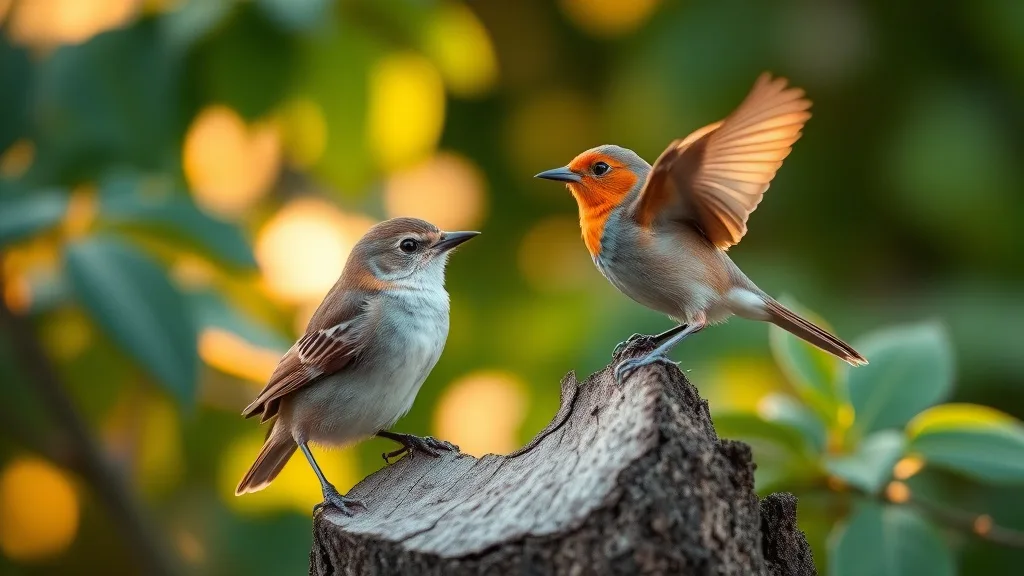
Creating a Bird-Friendly Habitat in Your Backyard Step-by-Step
If you love watching birds but notice your backyard feels empty or lacks variety, the issue likely isn’t your effort but your habitat setup. Many backyard birders struggle to attract a diverse and consistent bird population because their environment doesn’t meet the essential needs of local species. Creating a bird-friendly habitat is about more than putting out a feeder; it involves providing food, water, shelter, and safety in a way that respects bird behavior and ethics. This guide will walk you through the practical steps to transform your outdoor space into a welcoming refuge for birds.
Step 1: Assess Your Space and Local Bird Species
Before you make any changes, spend a few days observing what birds visit your yard naturally. Note the species, behaviors, and peak activity times. Also, consider your yard’s size, sun exposure, soil type, and existing plants.
- Check local birding resources or apps to identify common species and their habitat preferences.
- Recognize natural shelter areas like trees or shrubs.
- Identify potential hazards like cats or busy roads nearby.
This assessment helps tailor your bird habitat plan to suit local wildlife and your specific environment.
See also: 9. How to Set Up a Backyard Bird Feeding Station That Actually Works Year-Round
Step 2: Provide Native Plants for Food and Shelter
Native plants are the cornerstone of a bird-friendly habitat because they naturally support local insect populations and provide berries, seeds, and nectar required by birds.
What to plant:
- Trees: Oaks, maples, and pines offer food and nesting sites.
- Shrubs: Serviceberry, elderberry, and viburnum provide berries and cover.
- Flowering plants: Coneflowers, bee balm, and sunflowers attract pollinators and produce seeds.
Plant in layers—ground cover, shrubs, and trees—to offer diverse shelter and foraging options.
Why native?
- Native plants support native insects, a primary protein source for many species.
- They are adapted to local climate and soil, making them easier to maintain.
- Non-native or invasive plants sometimes offer less nutritional value or can crowd out native species.
Step 3: Set Up Feeding Stations Thoughtfully
While feeders are popular, placement and feeder type affect which birds you attract and how safely they can feed.
Feeding station tips:
- Offer a variety of feeders: platform, tube, suet, and hummingbird feeders suit different birds.
- Use food appropriate to your target species, like sunflower seeds, nyjer, suet cakes, or nectar.
- Place feeders near but not too close to dense cover to allow quick escape routes without ambush vulnerability.
- Keep feeders clean and dry to prevent mold and disease.
Ethical considerations:
- Avoid overfeeding or relying excessively on feeders; birds must continue natural foraging.
- Do not use playback sounds near feeders to avoid stressing birds or causing territory conflicts.
- Change feeder locations periodically to reduce predation risk.
Step 4: Provide Clean and Safe Water Sources
Birds need water for drinking and bathing. A dependable water source attracts many species but neglect can cause harm.
Water source options:
- Birdbaths with shallow water and non-slip surfaces.
- Small ponds or fountains with moving water to deter mosquitoes.
- Dripper or mister setups to simulate rain or dew.
Maintenance:
- Change water every few days to prevent stagnation.
- Clean baths weekly with mild soap and rinse thoroughly.
- Place water sources near cover so birds can escape predators nearby.
Step 5: Create Safe Nesting and Roosting Sites
Nest boxes and natural nesting opportunities increase the chance birds will breed in your yard.
How to help nesting:
- Install species-appropriate nest boxes in quiet, sheltered spots.
- Preserve dead trees or snags if safe; they are vital natural nesting sites for woodpeckers and cavity nesters.
- Plant thorny or dense shrubs for ground and low nesters.
- Avoid pruning during breeding season (spring to mid-summer in most regions).
Avoid disturbance:
- Minimize garden traffic near nests.
- Never use chemicals or synthetic pesticides close to nesting areas.
- Educate family and neighbors about respecting nesting birds.
Step 6: Minimize Hazards and Disturbances
A bird habitat can be ruined by common hidden hazards and human behaviors.
Common pitfalls:
| Hazard | Effect on Birds | Mitigation Strategy |
|---|---|---|
| Outdoor cats | Predation on birds and fledglings | Keep cats indoors or use cat deterrents |
| Window collisions | Injuries or fatalities from strikes | Use window decals, screens, or films |
| Pesticides and herbicides | Poison birds directly or reduce food sources | Choose organic methods, avoid chemicals |
| Excess noise | Stress and avoidance of habitat | Locate bird areas away from noisy zones |
| Playback overuse | Causes confusion, aggression, and stress | Use playback sparingly and ethically |
Step 7: Maintain Your Habitat with Patience and Respect
Creating a bird-friendly yard is ongoing work that requires observation, maintenance, and adaptation.
- Monitor which plants thrive and adjust as necessary.
- Rotate feeder types and locations seasonally.
- Review water source upkeep regularly.
- Continue ethical birdwatching habits: use optics for distant viewing, avoid flushing birds, and respect natural behaviors.
Remember, the goal is a self-sustaining, healthy ecosystem, not just a backyard zoo.
Bird Habitat Features Comparison
| Feature | Benefits | Considerations | Suitable For |
|---|---|---|---|
| Native Plants | Supports natural food chain, low maintenance | Takes time to establish | Most yards, especially with space |
| Feeders | Immediate food source, attracts diverse species | Requires regular cleaning, risk of dependency | Small or urban yards |
| Water Features | Drinking and bathing, attracts birds visually | Needs frequent cleaning | All yards, even small ones |
| Nest Boxes | Encourages breeding, species-specific | Requires monitoring | Yards with fewer natural cavities |
| Safe Cover (dense shrubs, trees) | Protection from predators and weather | May require space | Larger yards or community gardens |
Frequently Asked Questions
Q: How long does it take for birds to start visiting a new habitat?
A: It can take a few days to several weeks depending on food availability, shelter, and local bird populations. Patience and consistency are key.
Q: Is it okay to use birdseed blends from stores?
A: Choose blends without fillers like red millet or dyed seeds. Black oil sunflower seed is a safe, high-energy choice that suits many birds.
Q: How can I prevent squirrels from raiding bird feeders?
A: Use squirrel-proof feeders, baffles, or place feeders on poles away from jumping distances. Regular cleaning also discourages squirrels from lingering.


