
Creating a Backyard Bird Feeding Station for Seasonal Species Diversity

By Robert Hale · Senior Editor
Published January 1, 2026 · Last reviewed May 12, 2026
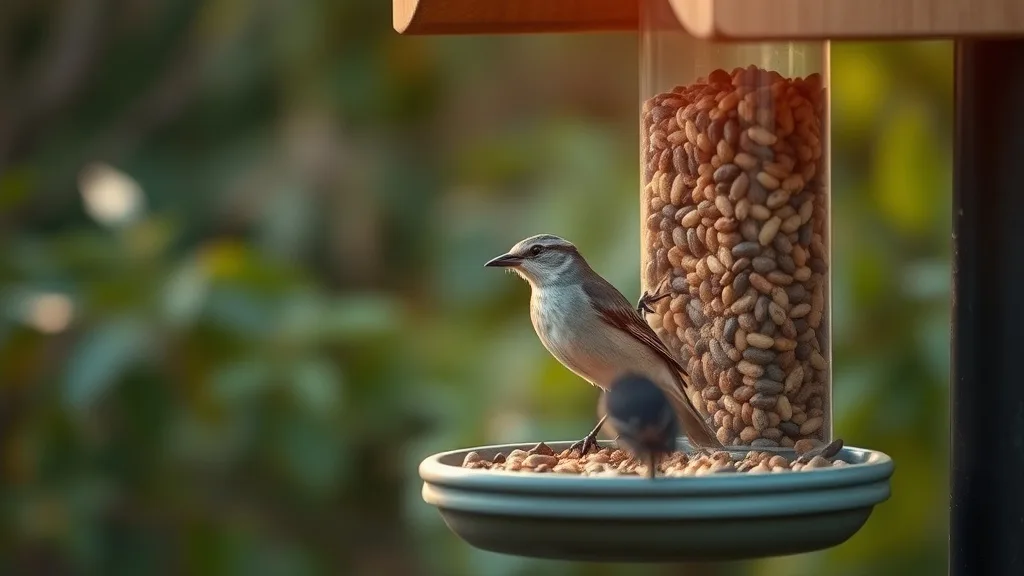
Creating a Backyard Bird Feeding Station for Seasonal Species Diversity
If you love watching a variety of birds in your backyard but find your feeder is dominated by the same few species year-round, you may be facing the problem of limited seasonal species diversity. Birds migrate and shift their feeding habits with the seasons, so a feeding station designed without seasonal considerations can miss out on these dynamic patterns. This article will guide you through creating a backyard bird feeding station that attracts a broader range of species throughout the year, improving your birding experience while staying ethical and practical.
What Is Seasonal Species Diversity in Backyard Bird Feeding?
Seasonal species diversity refers to the variety of bird species that visit your feeding station over different seasons — spring, summer, fall, and winter. Many species migrate long distances and have different feeding preferences depending on the time of year. For example, some seed-eaters are abundant in winter but absent in summer, while insectivores dominate warm months. Adjusting your feeding station to match these seasonal changes encourages more species to visit and supports their natural behavior and nutritional needs.
See also: Creating a Bird-Friendly Habitat in Your Backyard Step-by-Step
How Seasonal Diversity Feeding Stations Work
Creating a seasonally diverse feeding station involves thoughtful planning:
- Provide Different Food Types Seasonally: Different species have unique dietary requirements at different times (seeds, suet, nectar, fruit, insects).
- Use Multiple Feeder Designs: Tube feeders, platform feeders, suet cages, and hummingbird feeders each attract various bird groups.
- Include Native Plants: Native trees and shrubs produce natural food (berries, seeds, insects) and shelter.
- Adapt Maintenance Routines: Change feeders and food types regularly and clean feeders often to reduce disease risk.
- Practice Ethical Birding: Avoid flushing or stressing birds by using feeders responsibly and providing natural cover nearby.
When to Use a Seasonal Feeding Station
A seasonal feeding station is especially beneficial if:
- You want to support birds year-round and attract migratory species during migration seasons.
- Your region has marked seasonal changes in bird population and behavior.
- You enjoy observing a wide variety of species and want to deepen your birding knowledge.
- You’re interested in bird conservation and want to provide safe, nutritious food through the toughest seasons.
How to Create Your Seasonal Bird Feeding Station: Step-by-Step
1. Research Local Species and Migration Patterns
Identify birds common to your area by season via local bird atlases, online databases, or birding groups. Note what foods these species prefer in different months.
2. Select a Variety of Feeders for Different Birds
Each feeder type attracts specific birds:
| Feeder Type | Ideal For | Food Types | Best Season(s) |
|---|---|---|---|
| Tube Feeders | Finches, Chickadees, Nuthatches | Sunflower seeds, nyjer seed | Fall & Winter |
| Platform Feeders | Cardinals, Blue Jays, Ground Feeders | Mixed seeds, cracked corn | Year-round |
| Suet Feeders | Woodpeckers, Nuthatches | Suet cakes (fat + insects) | Fall & Winter |
| Hummingbird Feeders | Hummingbirds | Sugar water (nectar) | Spring & Summer (breeding/migration) |
| Fruit Feeders | Orioles, Tanagers | Oranges, berries | Summer & Fall |
3. Rotate Foods and Feeders with the Seasons
- Spring: Provide nectar feeders for hummingbirds starting early spring; add fruit for orioles and tanagers; begin platform feeders with mixed seeds for resident species.
- Summer: Maintain nectar and fruit feeders; offer live mealworms or insect feeders to attract insectivores and fledglings.
- Fall: Add more seeds to tube feeders for migrating finches and sparrows; begin suet feeding as temperatures drop.
- Winter: Focus on high-fat suet and black oil sunflower seeds; replenish platform feeders heavily; maintain squirrel-proof feeders if necessary.
4. Incorporate Native Plants and Natural Cover
Plant native seed-producing shrubs and trees to provide natural food and shelter. Examples include:
- Dogwood (berries, cover)
- Serviceberry (berries)
- Sunflowers and coneflowers (seeds)
- Oak trees (acorns)
- Berry-producing bushes like elderberry or holly
These enhance the feeding station’s appeal and provide natural resting or nesting spots nearby.
5. Position Feeders Thoughtfully
- Place feeders 10-15 feet apart to reduce crowding and aggression.
- Provide nearby shrubs or cover within 10 feet to offer quick refuge from predators.
- Avoid placing feeders near windows or hard surfaces to prevent bird strikes.
- Consider the sun path and prevailing winds for easy viewing and feeder longevity.
6. Maintain Ethical Birding Practices
- Do not use playback recordings to lure birds beyond normal behavior.
- Avoid overcrowding feeders, which can stress birds and spread disease.
- Keep feeders clean by washing weekly in hot, soapy water or with a bleach solution, and rinse thoroughly.
- Never flush birds or disturb nests in search of better sightings.
- Provide fresh water nearby year-round, crucial during hot summers and cold winters.
Maintaining Your Feeding Station Over Time
Seasonal feeding stations require more attention than standard setups:
- Adjust food and feeder types regularly with the season.
- Monitor bird species diversity to learn what works best.
- Note any pest challenges like squirrels or aggressive birds and manage humanely.
- Replenish food as needed to keep feeders attractive.
- Clean feeders frequently to maintain bird health.
Comparison: Seasonal Feeding Station vs. Year-Round Single-Type Feeding
| Feature | Seasonal Feeding Station | Single-Type Year-Round Feeding |
|---|---|---|
| Species Diversity | High; attracts migratory and resident species | Lower; tends to favor few resident species |
| Food Variety | Multiple foods adapted to seasonal needs | Limited to one or two seed types |
| Maintenance Intensity | Moderate to high (rotating feeders, cleaning) | Low to moderate |
| Birding Opportunities | Rich, varied over time | Stable, less varied |
| Ethical Support | Supports birds’ natural diet and behavior | May force unnatural feeding habits |
| Cost | Higher (more feeders, diverse foods) | Lower |
This table highlights that while seasonal feeding stations require more thought, time, and investment, they provide a richer birding experience and better nutritional support for birds.
Common Pitfalls to Avoid
- Overfeeding or Underfeeding: Excess food can spoil or attract unwanted pests; insufficient feeding fails to attract birds.
- Improper Feeder Hygiene: Dirty feeders spread disease—regular cleaning is essential.
- Ignoring Seasonal Shifts: Keeping the same feeder and food year-round limits species diversity.
- Feeder Placement Errors: Too close to windows or without cover risks bird safety.
- Using Playback Irresponsibly: Can cause stress and disrupt natural behaviors.
Conclusion
Creating a backyard bird feeding station tailored for seasonal species diversity can transform your birding hobby. By providing a mix of feeders and foods that change with the seasons, planting native vegetation, and practicing ethical birding, you’ll invite a dynamic and enjoyable array of bird visitors. This not only enriches your backyard wildlife scene but also supports bird populations through the year.
Frequently Asked Questions
Q: How often should I clean my bird feeders?
A: Clean your feeders at least once every two weeks, more often in wet or warm conditions, to prevent mold and disease.
Q: Can feeding stations harm migrating birds?
A: Feeding stations can be helpful if maintained properly, providing vital energy. Avoid playback, overcrowding, and unsanitary feeders to minimize risks.
Q: Should I stop feeding birds during summer?
A: Not necessarily. Change food types to meet summer dietary needs like nectar and insects and maintain fresh water sources, but avoid heavy seed feeding which may not be needed.


