
Choosing the Right Bird Food to Attract Specific Backyard Species

By Robert Hale · Senior Editor
Published January 1, 2026 · Last reviewed May 12, 2026
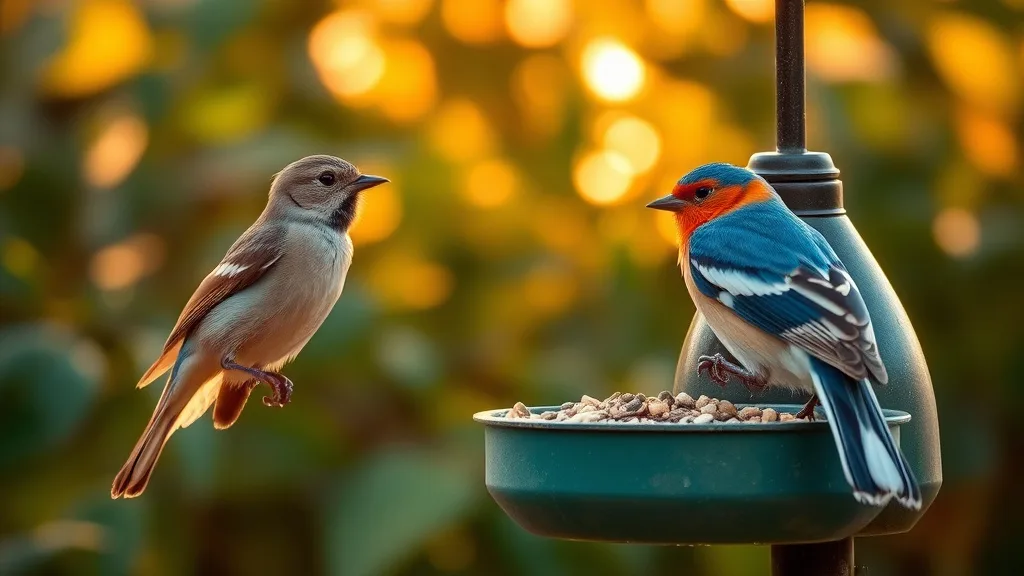
Choosing the right bird food to attract specific backyard species can be confusing. With so many seed types, mixes, and specialty foods on the market, it’s easy to buy something that doesn’t appeal to the birds you want to see. This guide will help you understand which foods attract which birds, how to use different foods effectively, and how to maintain ethical bird feeding practices that support healthy bird populations and enjoyable observation.
What It Is: Bird Food and Backyard Species Attraction
Bird food refers to the seeds, nuts, suet, fruit, nectar, or insects that you offer birds in your backyard. Different bird species have distinct dietary preferences based on their natural habits, beak shape, and nutritional needs. For example:
- Seed-eaters like cardinals and finches prefer certain seeds.
- Nectar feeders like hummingbirds require sugar water or specially formulated nectar.
- Insectivores such as woodpeckers favor suet or live insects.
Offering the right type of food can increase the variety and number of birds visiting your yard. It also encourages natural feeding behaviors that are enjoyable and easy to watch. However, not all foods suit all species, and improper feeding can cause problems, including attracting unwanted pests or stressing local bird populations.
See also: Planting Native Flowers to Support Backyard Bird Populations
How It Works: Feeding Preferences and Bird Behavior
Bird species choose foods based on availability, nutritional content, and ease of consumption. Here’s a simplified overview of common backyard bird diets:
- Small seed eaters: House finches and chickadees often prefer small seeds like millet or Nyjer.
- Large seed eaters: Cardinals and grosbeaks tend to go for larger seeds like sunflower seeds or safflower.
- Suet eaters: Woodpeckers and nuthatches need high-energy animal fats; suet blocks provide this essential fat source during cold weather or nesting.
- Nectar feeders: Hummingbirds and orioles seek sugary liquids; homemade or commercial nectar mimics flower nectar they’d normally consume.
- Fruit eaters: Orioles and cedar waxwings enjoy fresh fruit offerings such as berries or orange slices.
Birds’ needs may change by season. Many species consume more insects and protein-rich foods during breeding season or colder months when seeds and fruit are scarce. Providing a rotating menu aligned with seasonal demand can maximize bird diversity and health.
When To Use It: Matching Feed to Species for Best Results
To attract certain species effectively, match your bird food to their typical diet and habits. Here are some examples of targeted feeding strategies:
- Attracting finches: Fill feeders with small seeds such as nyjer or thistle. Use tube feeders with small ports to prevent larger birds and squirrels from dominating.
- Attracting cardinals: Offer black oil sunflower seeds or safflower in wide-mouthed hopper or platform feeders. Cardinals prefer ground feeding too, so sprinkle some seed on the ground.
- Attracting woodpeckers: Hang suet cakes or mesh feeders near tree trunks where woodpeckers naturally forage for insects.
- Attracting hummingbirds: Prepare a nectar solution (4 parts water, 1 part sugar, no red dye) in nectar feeders placed in shady spots. Frequent cleaning is necessary to prevent mold.
- Attracting orioles: Provide sugar water nectar, orange slices, and grape jelly on special sheds or trays.
Combining feeding types in one spot can encourage a wider variety of birds, but grouping incompatible species should be avoided to minimize competition and aggression.
Common Pitfalls to Avoid
Avoid these issues for both bird safety and feeding success:
- Overfeeding: Excess food attracts pests such as rats or unwanted aggressive birds. Provide only the amount birds can consume in a day or two.
- Poor seed quality: Old or moldy seeds harm birds. Buy fresh, high-quality seed from reputable suppliers.
- Ignoring feeder cleanliness: Dirty feeders spread disease. Clean feeders weekly with mild soap and rinse thoroughly.
- Playback abuse: Resist the temptation to use frequent recorded calls to lure birds—it stresses them and disrupts natural behavior.
- Flushing birds: Minimize sudden movements or loud noises while feeding. Allow birds to approach and feed calmly.
Comparison Table: Common Bird Food Types and Target Backyard Species
| Bird Food Type | Best For Species | Common Feeder Types | Benefits | Drawbacks |
|---|---|---|---|---|
| Black Oil Sunflower Seeds | Cardinals, Chickadees, Grosbeaks | Hopper, platform, sock feeders | High energy, attracts many species | Seeds may sprout if wet |
| Nyjer (Thistle) Seeds | Finches (Goldfinch, Pine Siskin) | Tube feeders with small holes | Small seed, specialized favorites | Expensive, fast spoilage |
| Safflower Seeds | Cardinals, House Finches, Doves | Hopper, platform feeders | Less attractive to squirrels | Less popular among some sparrows |
| Suet Cakes | Woodpeckers, Nuthatches, Wrens | Suet cages or baskets | High-fat, great in cold weather | Attracts pests, melts in heat |
| Nectar | Hummingbirds, Orioles | Nectar feeders | Quick energy, mimics natural food | Must be replaced often, can ferment |
| Fresh Fruit (Berries, Oranges) | Orioles, Waxwings | Fruit trays, feeders | Natural, nutritious | Can spoil quickly |
Ethical Considerations for Feeding Backyard Birds
When feeding birds, consider their well-being and the local ecosystem:
- Avoid foods with additives, dyes, or fillers that can harm birds.
- Offer fresh foods and remove leftovers promptly to prevent mold and pests.
- Use feeders designed to reduce waste and prevent squirrel or rodent access.
- Supplement natural food sources rather than replacing them entirely.
- Follow local guidelines and avoid feeding during migration if advised.
By respecting birds’ natural behaviors and dietary needs, you contribute to healthier bird populations and satisfy your desire for meaningful birdwatching experiences.
Frequently Asked Questions
Q: How can I tell if my bird food is fresh and safe to use?
A: Inspect seeds for mold, discoloration, or a musty smell. Fresh seed should be dry, smell clean, and free of debris. Rotate supplies regularly and store food in a cool, dry place.
Q: Can I feed birds year-round with the same food?
A: Some foods work year-round, but many birds need different nutrients based on season. For example, suet is more vital in winter, insects matter in spring, and fruits attract birds in summer and fall.
Q: Is it okay to mix different seeds in one feeder?
A: Mixing seeds can attract a broader range of species but may favor dominant birds and discourage others. Using specialized feeders or separate feeders for different seed types can help balance access for many species.

