
Best Practices for Photographing Nesting Birds Without Causing Stress

By Robert Hale · Senior Editor
Published January 1, 2026 · Last reviewed May 12, 2026
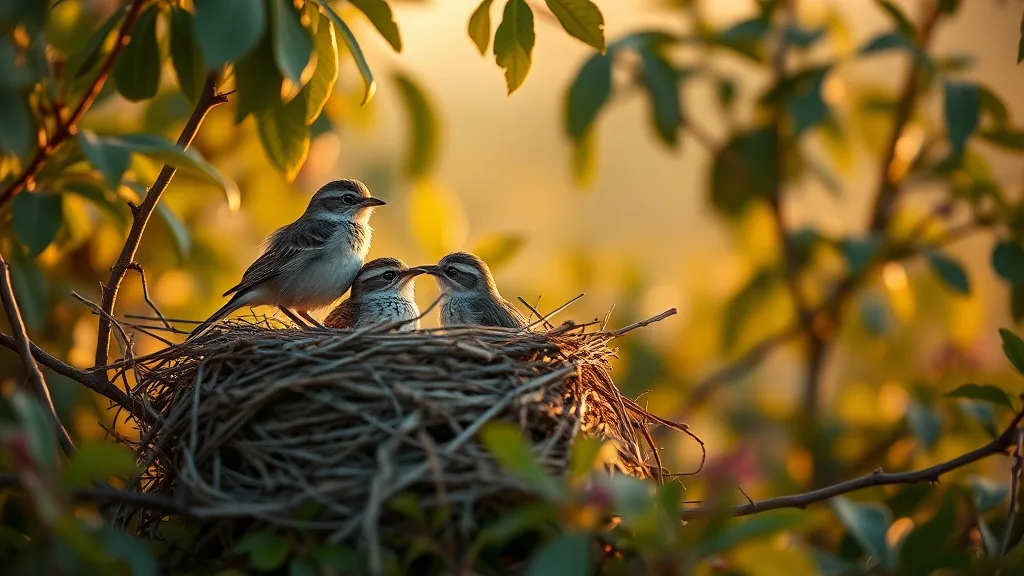
Photographing nesting birds is a rewarding challenge for backyard birders and bird photography enthusiasts. Yet, capturing intimate moments of bird nesting comes with a critical responsibility: avoiding disturbance and stress to the birds. How can you get clear, beautiful photos without causing harm or disruption to your feathered subjects? This article lays out best practices grounded in ethical birding, focusing on optics, behavior, and respectful techniques to help you succeed.
Understanding Nesting Bird Behavior: The Key to Ethical Photography
Before you raise your camera, knowing the natural behaviors of nesting birds is essential. Species vary in sensitivity; some tolerate nearby watchers, while others flush (leave the nest) at the slightest disturbance, leaving eggs or chicks vulnerable.
- Nesting stages: Birds are most sensitive during egg incubation and early chick stages.
- Signs of stress: Frequent alarm calls, sudden silence, or visible agitation are red flags.
- Flight distance: Each species has a “flush distance” — the distance at which they flee from a human intruder. Respect this.
Understanding these factors helps you avoid stressing birds and enables better planning for your shots.
See also: How to Photograph Birds in Flight in Your Backyard Successfully
Optics Quality and Equipment Choices for Nest Photography
Getting close photos typically requires quality optics, but remember: the best lens is the one that lets you stay far enough to avoid disturbance yet still produce clear images.
Key Optics Considerations
| Feature | Why It Matters | Practical Advice |
|---|---|---|
| Focal Length | Longer lenses (300mm+) allow distance | Use telephoto lenses to stay 30+ feet away. |
| Image Stabilization | Improves sharpness at long focal lengths | Essential for handheld shooting. |
| Aperture (Low f-number) | Enables faster shutter speeds in low light | Helps capture chicks in shaded nest areas. |
| Autofocus Accuracy | Critical for quick, sharp focus on moving birds | Use lenses with fast, reliable autofocus. |
| Weather Resistance | Protects lenses in wet, windy yard conditions | Invest in weather-sealed optics for outdoor use. |
Avoid using harsh artificial light or flash, as it can distress nesting birds and alter their behavior.
How to Photograph Nesting Birds Without Causing Stress: Step-by-Step
1. Scout and Monitor from a Distance
Before approaching any nest, spend time observing it from a sensible distance using binoculars or long lenses. Watch behaviors to estimate birds’ comfort levels.
2. Use Natural Cover and Concealment
Whenever possible, utilize natural vegetation or portable blinds to hide your presence. Minimize sudden movements or sounds. A camouflaged position helps birds ignore you as part of their environment.
3. Approach Slowly and Quietly
If you need to move closer, do so gradually over several days. Abrupt approaches cause flushing and abandonment risks.
4. Limit Session Duration
Keep sessions short, ideally under 10–15 minutes per visit, to minimize disturbance.
5. Avoid Peak Nesting Activity Times
Early morning and mid-afternoon are often best: birds tend to be less skittish, and lighting is gentler. Avoid photographing during feeding trips when parents are frequently coming and going.
6. No Playback Audio
Never use recorded bird calls to lure parents to the nest, as this can cause excessive stress, distract incubation, or attract predators.
7. Use Remote Triggering Tools
Remote cameras or motion-triggered devices allow you to capture candid nest activity without nearby human presence.
8. Maintain Hygiene Ethics
Avoid touching nests or eggs — human scent can prompt parents to abandon the nest in some species.
Weather Resistance and Low-Light Usability
Nests are often found in dense foliage or shaded tree branches. Changing weather or dim environments require equipment that performs well in low light without forcing you to approach closer.
- Weather-sealed cameras and lenses protect against moisture from dew or rain, letting you photograph across weather changes without risking equipment failure.
- Higher ISO performance and fast lenses (f/2.8–f/4 aperture range) enable sharp images without slow shutter speeds that blur birds.
- Using tripods or monopods with image stabilization improves steady shots in longer exposures.
Ethical Reminder: Birding and Photography Responsibility
Every photographer has a duty to safeguard bird welfare:
- Never risk causing abandonment of nests or predator exposure by excessive visits.
- Share your knowledge about ethical bird photography with fellow birders.
- Support habitat conservation to ensure these precious moments will continue.
Nesting Bird Photography Best Practices Comparison Table
| Practice | Benefit | Risk if Ignored | Tips for Implementation |
|---|---|---|---|
| Maintaining appropriate distance | Minimizes flushing risk | Nest abandonment or chick harm | Use long lenses; observe flush distance |
| Limiting disturbance duration | Reduces stress on birds | Increased anxiety; reduced feeding | Set timers; stick to planned sessions |
| Avoiding playback sounds | Prevents overstimulation of nesting birds | Parental distraction; territorial aggression | Use natural observation only |
| Concealment and slow approach | Allows natural behavior to continue undisturbed | Birds flee; alert predators | Use vegetation, portable hides |
| Not touching nests or eggs | Preserves natural scent environment | Possible rejection of nest by parents | Use binoculars to view close |
| Weather-resistant gear usage | Enables shooting in varied conditions | Equipment damage; lost activity moments | Invest in protective gear |
| Remote or automatic triggering | Captures candid moments without human presence | None | Set up early, hide thoroughly |
Frequently Asked Questions
Q: How close can I safely get to a nesting bird to photograph?
A: It varies by species and individual sensitivity, but generally staying at least 30 feet (10 meters) keeps you outside most flush distances. Using telephoto lenses helps maintain respectful distance.
Q: Can I use flash or artificial lighting near nests?
A: Flash can startle and stress birds and should be avoided. Use natural light or a high-ISO setting instead. Early morning or late afternoon light often offers best illumination.
Q: What should I do if a bird flushes while I’m photographing?
A: Immediately back away and give the bird space. Prolonged absence from the nest can put eggs or chicks at risk. Review your approach to reduce future disturbance.
By applying these best practices, you can enjoy the thrill of photographing nesting birds while ensuring their safety and comfort. Remember: your respect and caution directly contribute to the health of bird populations and the richness of backyard birding experiences.

