
Best Optics for Backyard Birding: Choosing the Right Binoculars

By Robert Hale · Senior Editor
Published January 1, 2026 · Last reviewed May 12, 2026
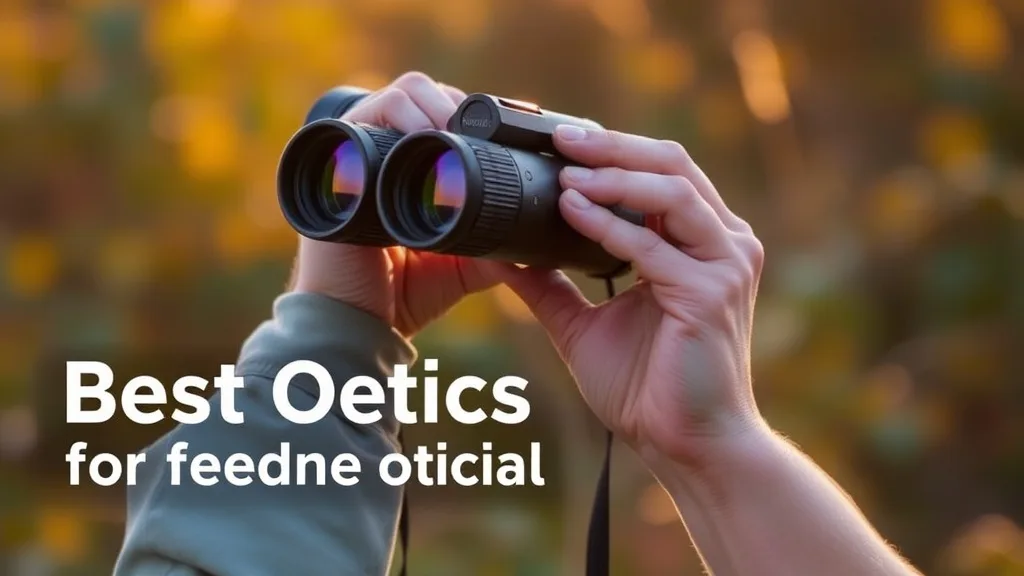
Best Optics for Backyard Birding: Choosing the Right Binoculars
If you’re an avid backyard birdwatcher struggling to spot and identify birds clearly, chances are your current optics aren’t cutting it. Poor image clarity, difficulty focusing at close range, limited low-light performance, and uncomfortable handling can all diminish the joy of birding right outside your window or in your garden. Choosing the right binoculars tailored to backyard birding will enhance your field experience and deepen your connection with the feathered visitors you cherish.
In this guide, we’ll walk through the key factors to consider when selecting binoculars for your backyard birding adventures, with practical emphasis on optics quality, glassing distance, low-light usability, weather resistance, and ethical birding practices.
See also: 6. How to Clean Binoculars Without Scratching the Lens Coatings
What Are Binoculars for Backyard Birding?
Binoculars are hand-held, dual-lens optical devices that magnify distant objects, allowing birders to observe details not visible to the naked eye. For backyard birding, they must balance magnification, field of view, light-gathering ability, and portability to offer sharp, bright views of birds often perched among branches or fleetingly visible.
Unlike specialized long-range optics used in open fields or migrations, backyard birding requires optics optimized for relatively close distances (10-50 feet up to 200 feet), good image brightness in shaded or early morning light, and ease of maneuvering without disturbing birds.
How Binoculars Work for Backyard Birding
Binoculars consist of two parallell optical tubes with objective lenses (front) and eyepieces. Light enters the objective lenses, passes through prisms which invert and erect the image, and finally reaches your eyes via the eyepieces.
Key specifications influencing performance include:
- Magnification (e.g., 8x, 10x): Indicates how many times larger a bird appears compared to the naked eye.
- Objective lens diameter (e.g., 32mm, 42mm): Larger lenses gather more light, improving clarity and brightness, especially in dim conditions.
- Field of View (FOV): Measured in feet at 1000 yards or degrees, FOV defines how wide an area you can see through the binoculars. A wider FOV helps track fast-moving birds.
- Close Focus Distance: The minimum range at which binoculars can focus sharply, critical for backyard birding where birds are often near.
- Eye Relief: The distance you can hold your eye from the eyepiece and still see the whole image, important if you wear glasses.
- Weight and Ergonomics: Heavier binoculars can cause fatigue; ergonomics impact how comfortable they are during extended use.
- Weather Resistance: Waterproofing and fog-proofing matter in outdoor, variable conditions.
When to Use Specific Binocular Features
| Feature | Best For | Backyard Birding Use Case |
|---|---|---|
| 8x Magnification | Handheld tracking, wide FOV | Ideal for scanning feeders, garden trees, and shrubbery with stable images and less shake |
| 10x Magnification | Closer ID work, slightly narrower FOV | When you want more detail on plumage and size but can hold steady or use a tripod |
| 32-35mm Objective | Lightweight, bright daylight usage | Great for casual daytime birders who prioritize comfort |
| 42-50mm Objective | Improved low-light and dusk viewing | Better for early morning/late afternoon birding, and shaded yards |
| Close Focus < 10 ft | Viewing birds at feeders or water spots | Enables sharp images of birds close to windows or feeders |
| Waterproof/Fog Proof | All-weather use | Protects optics during rain or dew, extends lifespan |
Common Pitfalls When Choosing Backyard Binoculars
- Overmagnification: Higher than 10x magnification leads to shakier views unless stabilized by support, making quick viewing frustrating.
- Heavy Optics: Large objective lenses with heavy build are tiring to hold for long periods and do not necessarily improve backyard birding experiences.
- Ignoring Close Focus: Many binoculars excel at long distances but falter below 15 feet, causing poor close-range birds feeding near your window to blur.
- Neglecting Weather Resistance: Humidity, rain, and morning dew can fog unsealed optics, causing damage or requiring time-consuming maintenance.
- Playback Abuse: While not a binocular issue per se, responsibly watching birds without distressing them (avoiding calls/plays that trigger flushing) is essential.
Ranking the Best Optics for Backyard Birding: What Criteria Matter Most?
Here’s a ranked list of the top 5 feature priorities for binoculars suited to backyard birders:
- Optics Quality (sharpness, color fidelity, brightness)
- Close Focus Distance (preferably under 10 ft)
- Low-Light Performance (large objective lens, coatings)
- Field of View (wide enough to track quick birds)
- Weather Resistance & Durability
Practical Comparison Table: Typical Binocular Specs for Backyard Birding
| Feature | Model A (8x32) | Model B (10x42) | Model C (8x42) | Model D (10x32) | Model E (8x25) |
|---|---|---|---|---|---|
| Magnification | 8x | 10x | 8x | 10x | 8x |
| Objective Diameter | 32 mm | 42 mm | 42 mm | 32 mm | 25 mm |
| Close Focus | 6.5 ft | 9 ft | 8 ft | 10 ft | 5 ft |
| Field of View (ft/1000 yd) | 380 | 330 | 400 | 320 | 350 |
| Eye Relief (mm) | 15 | 18 | 17 | 12 | 15 |
| Waterproof/Fog-proof | Yes | Yes | Yes | Partial | No |
| Weight (oz) | 20 | 24 | 27 | 19 | 14 |
| Low-light Performance | Good | Very Good | Very Good | Good | Fair |
| Ideal Backyard Use | Casual viewing, feeders | Detailed ID, dawn/dusk | Balance of brightness & comfort | Compact with power | Ultra-compact, casual |
How to Choose the Right Binoculars for Your Backyard Birding
1. Prioritize Magnification and Field of View
Choose 8x for wider views and steadier hands, 10x for detail but require steadier support.
2. Check Close Focus Specifications
Since backyard birds may be as close as 6 feet, pick binoculars with a close focus distance under 10 feet to spot intricate plumage easily.
3. Evaluate Objective Lens Size and Low-Light Performance
Bigger objective lenses (42-50mm) gather more light, helping in shady backyards or twilight hours. But don’t sacrifice comfort—larger lenses add weight.
4. Confirm Weatherproofing and Durability
Ensure your binoculars have sealed optics and nitrogen or argon purging to resist water and fog. A rubber-armored body defends against minor bumps.
5. Assess Ergonomics and Comfort
Try holding the binoculars before buying. Consider grip texture, eye relief especially if you wear glasses, and weight for prolonged use.
6. Don’t Forget Ethics: Use Binoculars to Observe, Not Disturb
Never flush or chase birds using your optics. Look calmly and respect bird space. Avoid loud noises or playback recordings that stress birds.
Frequently Asked Questions
Q: Can I use higher magnification binoculars for backyard birding?
A: Generally, 8x or 10x magnification is optimal. Higher magnifications cause shakier images without support and can decrease field of view, making it harder to track active birds close to you.
Q: Why is close focus distance important for backyard birders?
A: Birds often visit feeders or perches just a few feet away. Binoculars with poor close focus won’t show these birds sharply, limiting your ability to enjoy fine details.
Q: How can I maintain my binoculars for backyard use?
A: Keep optics clean with proper lens cloths, store in a dry case, avoid exposure to extreme temperatures, and ensure seals remain intact to prevent fogging and moisture damage.
Finding the right binoculars tuned to backyard birding conditions transforms everyday encounters with birds into rewarding opportunities for discovery. By focusing on optical quality, comfortable handling, close focal range, and responsible watching, you’ll foster a deeper appreciation for backyard wildlife while respecting avian welfare. Happy birding!


