
Benefits of Using Tripods for Steady Backyard Bird Photography

By Robert Hale · Senior Editor
Published January 1, 2026 · Last reviewed May 12, 2026
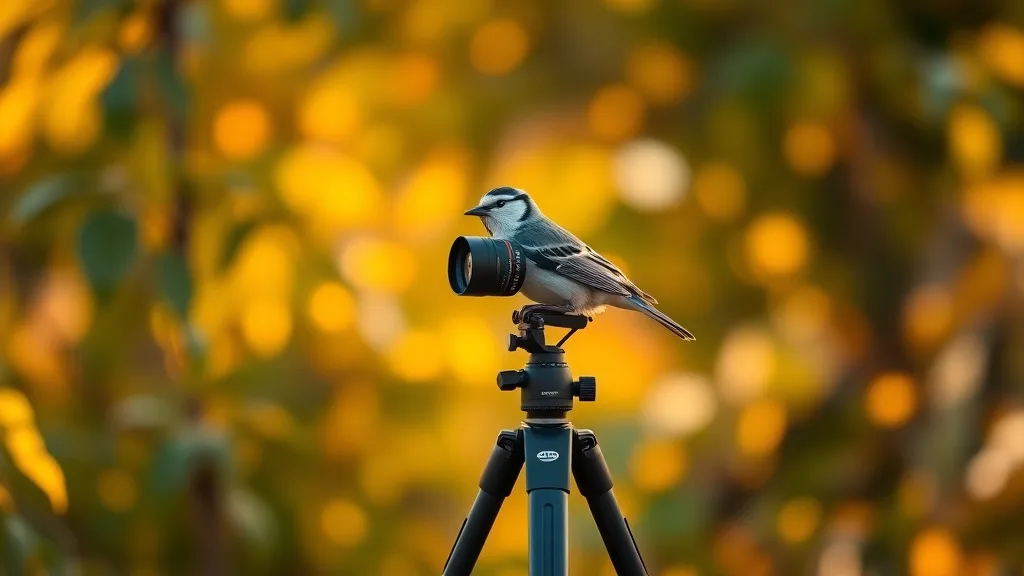
Benefits of Using Tripods for Steady Backyard Bird Photography
If you enjoy photographing birds in your backyard, you’ve likely faced the frustrating challenge of capturing sharp, clear images of these often fast-moving and skittish subjects. Even slight hand tremors can blur your shots, especially when using long telephoto lenses needed to fill the frame with your feathered friends. Bird photography demands patience and precision, and unstable camera setups can severely limit your ability to get those crisp, detailed images. Using a tripod isn’t just about stability—it can fundamentally improve your photographing experience and the quality of your shots.
What Is a Tripod and Why Does It Matter for Bird Photography?
A tripod is a three-legged stand designed to hold your camera steady. It prevents shakes, vibrations, and movement while framing your scene. In backyard bird photography, where long lenses and sometimes slow shutter speeds are necessary, a tripod provides an anchor for your camera, offering stability that handheld shooting rarely matches.
Why does this matter? Birds move quickly, and lighting conditions in natural settings fluctuate constantly. A tripod lets you compensate for these challenges by stabilizing your equipment for slower shutter speeds, allowing better depth of field, or using higher magnification without blurry results. Additionally, a tripod can relieve physical fatigue during long periods of observation, helping you stay patient and ready.
See also: How to Photograph Birds in Flight in Your Backyard Successfully
How Tripods Work to Enhance Bird Photography
- Enhanced Stability: By firmly supporting the camera and lens, the tripod eliminates hand tremors and accidental movement.
- Improved Composition: With a stable setup, you can fine-tune framing slowly and accurately without the camera shifting.
- Lower ISO Settings: Stability allows for slower shutter speeds without camera shake, meaning you can lower ISO to reduce noise.
- Tactile Control During Zooming or Focusing: Tripods absorb camera movements that otherwise disrupt focusing or zoom control.
- Weight Support: Telephoto lenses often weigh several pounds, which gets tiring to hold steadily. A tripod supports this weight, preventing fatigue.
When to Use a Tripod in Backyard Bird Photography
- Low Light Conditions: Early mornings, late evenings, or overcast days lack abundant light, forcing slower shutter speeds. Tripods help keep your images sharp by steadying your gear.
- Telephoto Lenses (300mm and above): At longer focal lengths, even tiny movements cause noticeable blur. Tripods stabilize these heavy lenses.
- Slow Shutter Speeds: When you want to experiment with motion blur or shoot small birds that remain still, slower shutter speeds paired with a tripod are ideal.
- Time-lapse or Multiple Frame Captures: For creating sequences or ensuring consistent framing over time, tripods are essential.
- Shooting with Remote Triggers or Cable Releases: A tripod allows hands-off shooting, reducing vibrations caused by pressing the shutter button.
Comparing Shooting With and Without a Tripod
| Feature | Handheld Shooting | Using a Tripod | Best Scenario Examples |
|---|---|---|---|
| Image Stability | Moderate to low, prone to shake | High, solid, and vibration-free | High zoom, low light, slow shutter speeds |
| Ease of Composition | Difficult to hold steady | Easy to fine-tune and lock | Detail shots needing precise framing |
| Portability & Speed | Quick and mobile | Less mobile, setup needed | Quick snaps of unexpected bird action |
| Physical Fatigue | High with heavy lenses | Reduced strain | Long observation sessions without tiring |
| Low-Light Performance | Limited by need for fast shutter | Excellent, slow shutter possible | Dawn, dusk, or shady foliage |
| Ethical Birding | Easier to flush birds unintentionally | Allows patience and stillness | Waiting for natural behavior without disturbance |
Practical Tips for Using Your Tripod While Photographing Backyard Birds
- Choose the Right Tripod: Opt for a compact but sturdy tripod that suits your focal length and camera weight. Quality material like carbon fiber or aluminum balances weight and durability.
- Attach a Ball Head or Gimbal Head: These let you smoothly pan your camera to follow birds in motion without jerky movements.
- Position Away from Bird Flights: Set your tripod in a spot that feels natural to birds and doesn’t block their flight path or feeding areas.
- Use Slow, Gentle Movements: Avoid quick or jerky adjustments. Slow panning prevents the birds from being startled.
- Consider Adding a Remote Shutter Release: To erase camera shake caused by pressing the shutter button.
- Stabilize on Uneven Ground: Use tripod leg spikes for soil or rocks, or spread the legs wider for additional stability.
- Be Weather Smart: Choose a tripod resistant to rust and moisture, especially if you shoot early morning dew or during light rain.
- Ethical Considerations: Don’t move the tripod too close to nests, feeding birds, or roosting spots. Respect natural behavior without causing stress or flushing.
Common Pitfalls and How to Avoid Them
- Overlooking Weight: Using a tripod too light for your heavy lens can result in shakes rather than stability. Match tripod capacity to your gear weight.
- Ignoring Ground Surface: A tripod may slip on wet grass or rocky surfaces. Use leg grips, spikes, or lay a ground cloth.
- Moving Too Much: Excessive tripod movement or fast panning can scare birds away. Move gently and follow the bird’s behavior cues.
- Flushing Birds: Being overly close or repeatedly adjusting your tripod can cause birds to flee. Patience, slow changes, and good hiding spots help.
Final Thoughts
Using a tripod for backyard bird photography transforms your workflow and image quality, providing the stability necessary for sharp, detailed photos in a wide array of conditions. By reducing physical strain and enabling precise composition adjustments, tripods allow you to connect with your subject more calmly and ethically. Especially when paired with good optics and a respectful approach to birds, a tripod can dramatically improve your backyard bird photography experience.
Frequently Asked Questions
Q: Can I use a tripod for quick bird action shots?
A: Tripods suit slower, more deliberate shooting when you can anticipate bird movement. For fast action shots, handheld or monopod might be better to allow quicker camera repositioning.
Q: How do I keep my tripod from scaring birds?
A: Place your tripod calmly before birds arrive, avoid sudden movements, and position yourself downwind if possible to reduce disturbance.
Q: Is a tripod necessary if I have image stabilization on my lens?
A: Image stabilization helps but doesn’t completely replace tripod stability, especially at longer focal lengths, slow shutter speeds, or when doing time-lapse or macro shots.


