
Robert Hale · Founder & Field Editor, BirdLedger
Former naturalist guide and lifelong birder from Vermont. Robert has spent two decades in the field—from boreal bogs to Gulf Coast shorelines—and built BirdLedger to help birders make smarter gear decisions.
Attracting Purple Martins To Your Backyard
By Robert Hale · Founder & Field Editor, BirdLedger
Published May 28, 2026
BirdLedger is reader-supported. When you buy through links on our site, we may earn an affiliate commission. This doesn’t change our editorial recommendations, which are based on independent testing and analysis.
Attracting Purple Martins To Your Backyard
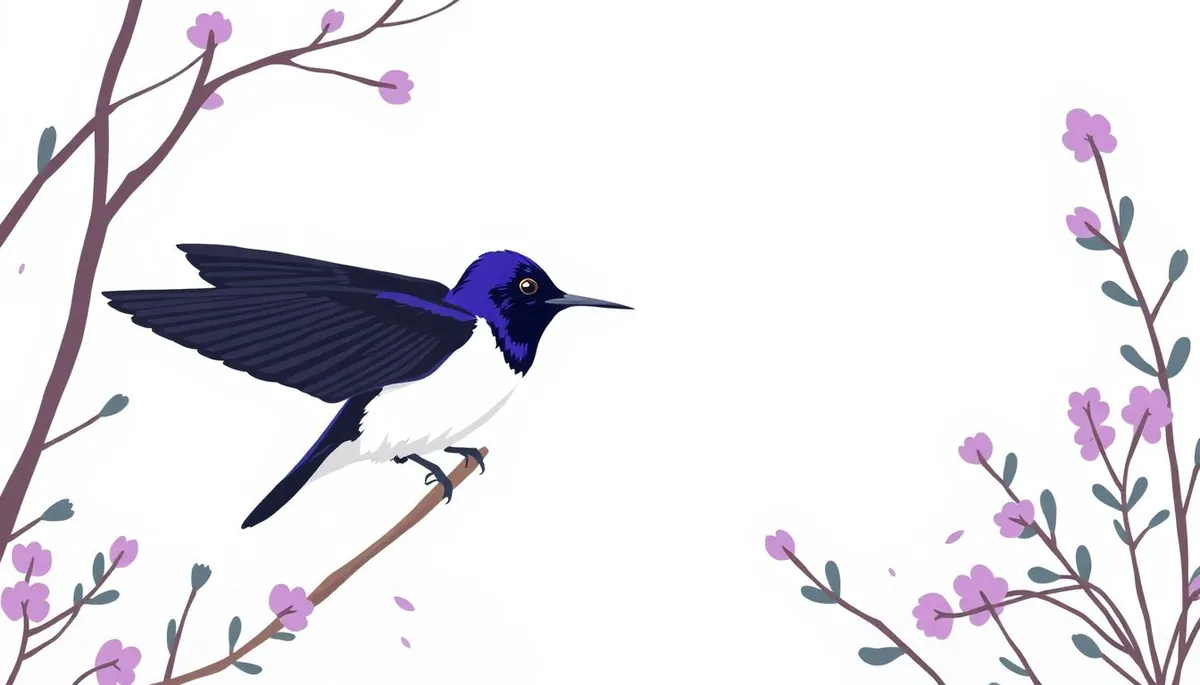
Purple Martins are a captivating sight, swooping and soaring with incredible grace. Known for their aerial acrobatics and insect-devouring habits, these birds are a welcome addition to any backyard. But attracting them isn’t as simple as putting out seed. Purple Martins are colony nesters and have specific housing requirements. This guide will walk you through the steps to create a martin-friendly habitat, increasing your chances of hosting these fascinating birds.
Understanding Purple Martin Preferences
Before diving into housing and feeding, understand what makes Purple Martins tick. They’re almost entirely dependent on human-provided housing in the eastern U.S. This is because they’ve adapted to using multi-compartment birdhouses, often called “martin houses,” and gourds for nesting.
- Housing is Key: Forget standard birdhouses. Martins need specialized housing.
- Open Spaces: They prefer open areas with minimal trees within 40-60 feet of their housing. This allows for easy flight and reduces predator access.
- Colonial Nesters: They thrive in colonies, so providing multiple nesting compartments is crucial.
- Insectivores: Martins primarily eat insects caught in flight, so a healthy insect population in your yard is essential.
Providing the Right Housing
The type of housing you offer is the single most important factor in attracting Purple Martins.
Martin Houses vs. Gourds
You have two primary options for housing: traditional martin houses and gourds.
-
Martin Houses: These are multi-compartment structures, typically made of aluminum, wood, or plastic. Aluminum houses are often preferred because they reflect heat, keeping the birds cooler. Look for houses with:
- Compartment Size: At least 6x6x6 inches. Larger compartments are even better.
- Entrance Holes: Crescent-shaped or round holes that are 2 1/8 inches in diameter are best for excluding European Starlings, a major competitor for nesting sites.
- Ventilation and Drainage: Proper ventilation helps prevent overheating, and drainage holes prevent water from accumulating inside the compartments.
- Predator Guards: Features that make it difficult for snakes and other predators to reach the nests.
-
Gourds: Natural or plastic gourds are another popular option. They mimic the natural cavities that martins once used.
- Size: Gourds should be at least 10 inches in diameter.
- Entrance Hole: Similar to houses, a 2 1/8 inch round or crescent-shaped entrance hole is recommended.
- Material: Plastic gourds are durable and easy to clean. Natural gourds require more maintenance.
- Mounting: Gourds can be hung individually or in clusters from a pole system.
Placement and Installation
Once you’ve chosen your housing, proper placement is vital.
- Height: Mount the house or gourds on a pole at least 12-15 feet above the ground.
- Open Area: As mentioned earlier, ensure a clear, open area around the housing. Remove any trees or shrubs that could obstruct flight paths or provide perches for predators.
- Proximity to Water: While not essential, Martins often prefer nesting sites near a body of water, such as a pond or lake.
- Pole System: Invest in a sturdy, telescoping pole system that allows you to raise and lower the housing easily. This is important for cleaning and maintenance.
- Orientation: There’s no consensus on the ideal orientation, but generally, facing the entrance holes towards the prevailing wind can be helpful.
Managing Competitors and Predators
Attracting Purple Martins also means deterring unwanted guests.
Starling and Sparrow Control
European Starlings and House Sparrows are aggressive competitors for martin housing. They will often evict martins and destroy their nests.
- Entrance Hole Size: As mentioned, using 2 1/8 inch entrance holes can deter starlings. Starlings are slightly larger than martins and have difficulty entering these smaller holes.
- Nest Removal: Regularly monitor your housing for starling and sparrow nests. Remove them promptly. Note: Check local laws regarding nest removal as some species are protected.
- Trapping: Consider using traps specifically designed for starlings and sparrows. These traps are humane and can effectively reduce their populations.
- Don’t Give Up: Persistence is key. It may take time and effort to control these invasive species.
Predator Deterrents
Protecting your martin colony from predators is crucial.
- Pole Guards: Install predator guards on the pole to prevent snakes, raccoons, and other climbing predators from accessing the housing. These guards can be made of metal or plastic and should be at least 3-4 feet wide.
- Owl Guards: If owls are a problem in your area, consider installing owl guards around the housing. These are mesh barriers that prevent owls from reaching the martins.
- Monitor Regularly: Check your housing regularly for signs of predator activity. Repair any damage promptly.
Supplemental Feeding and Water
While Purple Martins primarily eat insects, you can supplement their diet and provide a water source.
Insect Management
A healthy insect population is vital for Purple Martins.
- Avoid Pesticides: Refrain from using pesticides in your yard, as they can harm the insects that martins rely on for food.
- Attract Insects: Plant native plants that attract insects. Native wildflowers, grasses, and trees provide food and habitat for a variety of insects.
- Mealworms: During periods of inclement weather, you can offer mealworms to your martins. Toss them into the air near the housing or place them in a dish on a platform.
Providing Water
A birdbath can attract Purple Martins and other birds to your yard. Check out our guide to Do Birdbaths Actually Attract More Birds? (And Which Type Works Best).
- Shallow Water: Martins prefer shallow water for bathing.
- Clean Water: Change the water regularly to prevent the buildup of algae and bacteria.
- Placement: Place the birdbath in an open area, away from dense vegetation where predators could hide.
Attracting Purple Martins takes dedication and effort, but the rewards are well worth it. These fascinating birds will bring life and activity to your backyard, and you’ll be contributing to their conservation. Remember to provide the right housing, manage competitors and predators, and maintain a healthy environment. With patience and persistence, you can create a welcoming haven for Purple Martins in your own backyard. And if you’re looking for the right pair of binoculars to spot them soaring overhead, don’t miss our Best Binoculars for Birding Under $200 — The Short List That Actually Holds.