Attracting Hummingbirds: Best Feeders and Flower Choices for Backyards
By Robert Hale · Senior Editor
Published January 1, 2026 · Last reviewed May 12, 2026
Attracting hummingbirds to your backyard can be incredibly rewarding but knowing which feeders and flowers work best is key. Many backyard birders struggle with choosing feeders that provide safe, clean nectar and flowers that offer natural foraging opportunities without overwhelming their garden or the birds. This guide walks you through selecting effective, low-maintenance feeders and suitable flower options, focusing on qualities that enhance your birding experience while respecting hummingbird health and ethics.
What It Is: Attracting Hummingbirds
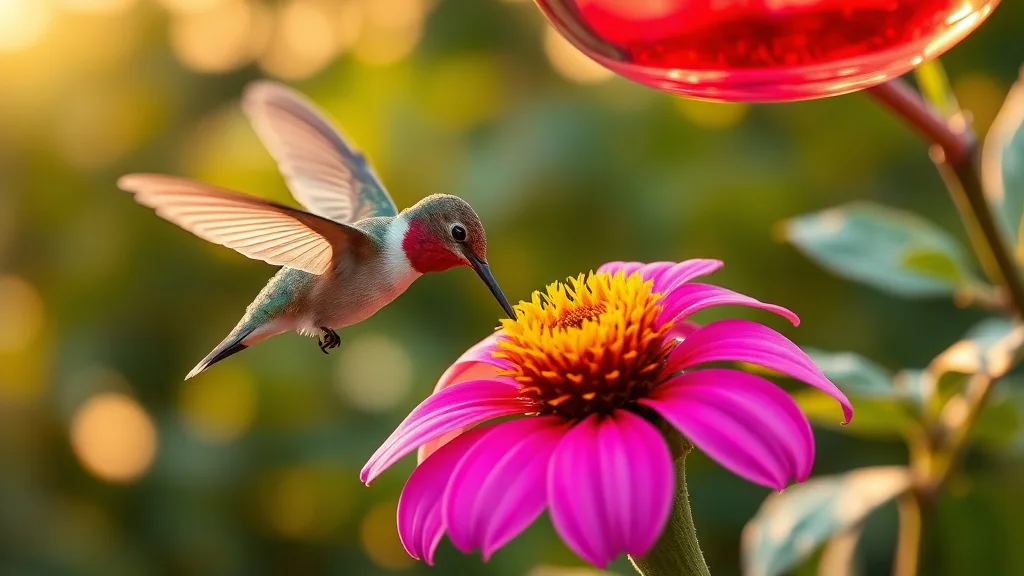
Hummingbirds are small, fast-moving pollinators known for their brilliant iridescent feathers and hovering flight. They primarily feed on nectar from flowers but will also sip sugar water from specialized feeders in backyards. Attracting them requires providing reliable nectar sources and safe habitats.
See also: Planting Native Flowers to Support Backyard Bird Populations
How It Works: Feeders and Flowers for Hummingbirds
Feeders
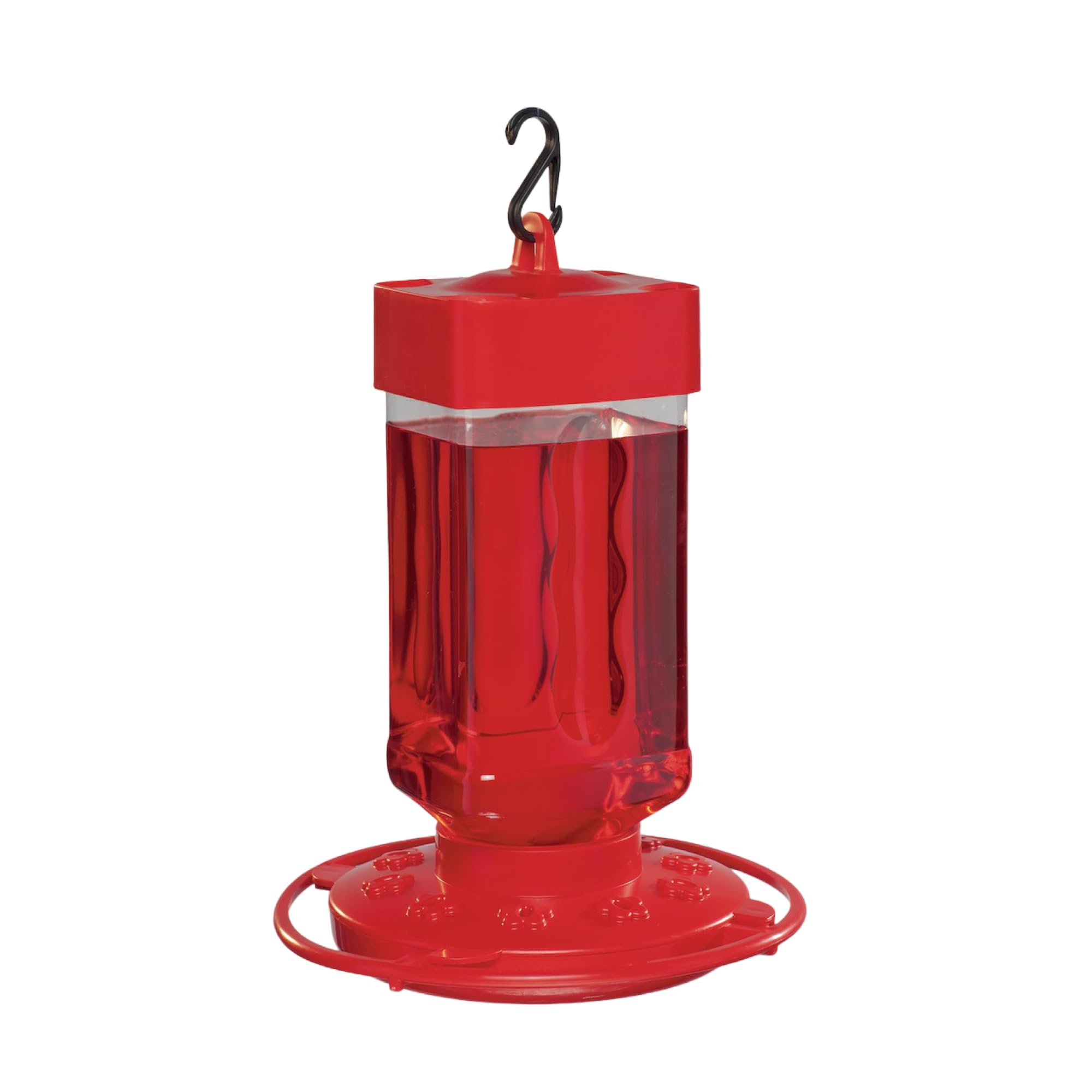
The most common hummingbird feeders are designed to hold a sugar-water solution that mimics natural nectar (typically four parts water to one part white granulated sugar). These feeders can be plastic or glass and come with various port designs.
Flowers
Hummingbirds are attracted to brightly colored tubular flowers, especially reds, oranges, and pinks. These flowers provide natural nectar sources and support hummingbird health beyond simple sugar water.
When to Use It: Best Scenarios for Feeders and Flowers
- Feeders work best in areas or seasons where natural nectar sources are limited or inconsistent.
- Flowers are ideal for creating a sustainable, wildlife-friendly garden that supports hummingbirds throughout the season.
- Combining feeders and flowers maximizes attraction and observation opportunities.
The Best Feeders and Flowers: What to Look For
Key Feeder Features:
- Optics Quality: Clear, durable glass or high-quality plastic lets you watch the birds easily.
- Glassing Distance: Choose feeders sized to your typical viewing distance, avoiding ones too wide or detailed to see well through binoculars at 10-20 feet.
- Low-Light Usability: Brightly colored ports (usually red) help in lower light; transparent nectar reservoirs show nectar level without removal.
- Weather Resistance: Look for feeders with secure lids and ports to prevent mold growth and evaporation.
- Ethics: Avoid feeders that encourage aggressive behavior or overfeeding. Clean frequently (every 3-4 days) to discourage disease.
Flower Choices:
- Optics Quality: Vividly colored tubular flowers provide eye-catching scenery and easy spotting.
- Glassing Distance: Use plants arranged to allow close approach without flushing the birds.
- Low-Light Usability: Choose flowers with contrasting colors that stand out in dawn or dusk conditions.
- Weather Resistance: Native, perennial plants tend to withstand local weather better and require less care.
- Ethics: Avoid invasive species and respect natural foraging patterns. Plant in clusters to support multiple individuals.
Comparison Table: Feeders vs. Flower Characteristics for Backyard Hummingbird Attraction
| Feature | Feeders | Flowers | Recommended Use |
|---|---|---|---|
| Visual Appeal | Bright reds, clear reservoirs | Vivid tubular blossoms | Feeders for easy sighting; flowers for natural settings |
| Maintenance | Requires frequent cleaning | Low once established | Feeders need weekly attention; flowers low maintenance |
| Glassing Distance | Visible at 10-20 feet | Best when visited within 5-15 ft | Feeders better for distant viewing; flowers for close observation |
| Weather Resistance | Plastic/glass + sealed ports | Native perennials preferred | Flowers handle local climate better long-term |
| Bird Impact | Risk of mold/disease if not cleaned | Natural nectar; supports insect life | Ethical feeding requires regular cleaning; flowers promote ecosystem health |
| Attraction Duration | Season-dependent, refill needed | Bloom times vary by species | Flowers provide seasonal nectar; feeders fill gaps |
Recommended Feeders: Practical Tips for Selection and Use
- Prioritize cleanability: Feeders with simple designs and removable parts ease cleaning.
- Ensure sturdy construction: Durable glass or thick plastic resists breaking and UV degradation.
- Choose feeders with multiple ports: This reduces competition and aggressive behavior.
- Avoid painted nectar reservoirs: Paint can chip and pose ingestion hazards.
- Place feeders near flowers or shade: This provides natural cover and reduces nectar spoilage.
Feeding Ethics to Remember
- Don’t use red dye in nectar; it may be harmful.
- Only use the recommended sugar-water ratio (4:1).
- Do not use honey or artificial sweeteners.
- Clean feeders every 3-4 days or more often in hot weather.
- Monitor to avoid dominance behavior or over-crowding.
Recommended Flowers: Top Choices for Backyard Gardens
Perennial Favorites
- Bee balm (Monarda): Bright red/pink flowers, long bloom time.
- Columbine (Aquilegia): Tubular flowers, various colors, shade tolerant.
- Cardinal flower (Lobelia cardinalis): Brilliant red spikes, loves moist soils.
- Salvia species: Many cultivars with tubular blossoms in reds and purples.
Annual and Biennial Options
- Trumpet vine: Vigorous climber with tube-shaped orange blooms.
- Zinnias: Bright colors, attract insects and hummingbirds.
Plant Arrangement Tips
- Group several plants together to create nectar-rich “hot spots.”
- Plant flowers near feeder stations to complement natural and artificial nectar sources.
- Consider bloom time staggering for continuous food availability.
Avoiding Common Pitfalls
- Overfeeding: Too many feeders or too frequent feeding can promote dependency or unhealthy behavior.
- Neglecting feeder hygiene: Moldy nectar can kill hummingbirds.
- Planting invasive flowers: Avoid species that crowd out natives or don’t provide real nectar.
- Placing feeders in exposed locations: This can stress birds due to predators or weather.
- Using playback or artificial calls: This disrupts natural behaviors and can stress birds.
Summary
Attracting hummingbirds requires a thoughtful balance of well-maintained feeders and a flower garden designed to offer natural nectar. Choose feeders that are easy to clean, weather-resistant, and visually accessible. Plant native and non-invasive tubular flowers with vibrant hues to support long-term hummingbird health and provide captivating backyard viewing. Maintaining ethical standards such as avoiding dye, overfeeding, and playback ensures these tiny travelers visit your space safely and sustainably.
Frequently Asked Questions
Q: How often should I clean hummingbird feeders?
A: Ideally every 3-4 days, more frequently in hot weather, to prevent mold and bacteria buildup.
Q: Can I use honey or artificial sweeteners in feeders?
A: No. Honey can promote fungal growth and artificial sweeteners don’t provide usable energy.
Q: What colors are best to attract hummingbirds?
A: Red is most effective, followed by orange and pink, especially when paired with tubular flower shapes.
Top Picks


Hummingbird Feeders Worth a Look
- First Nature Hummingbird Feeder - 10 Feeding Ports - Red …Check on Amazon →
- Kaytee Hummingbird ElectroNectar Wild Bird Food, Ready to…Check on Amazon →
Prices and availability shown on the linked product pages are pulled from our Keepa-tracked catalog and may change on Amazon at any time.