
Robert Hale · Founder & Field Editor, BirdLedger
Former naturalist guide and lifelong birder from Vermont. Robert has spent two decades in the field—from boreal bogs to Gulf Coast shorelines—and built BirdLedger to help birders make smarter gear decisions.
Attracting Barn Owls To Your Backyard
By Robert Hale · Founder & Field Editor, BirdLedger
Published May 28, 2026
BirdLedger is reader-supported. When you buy through links on our site, we may earn an affiliate commission. This helps us pay for the seed, feeders, and optics we use to evaluate and recommend products.
Attracting Barn Owls To Your Backyard
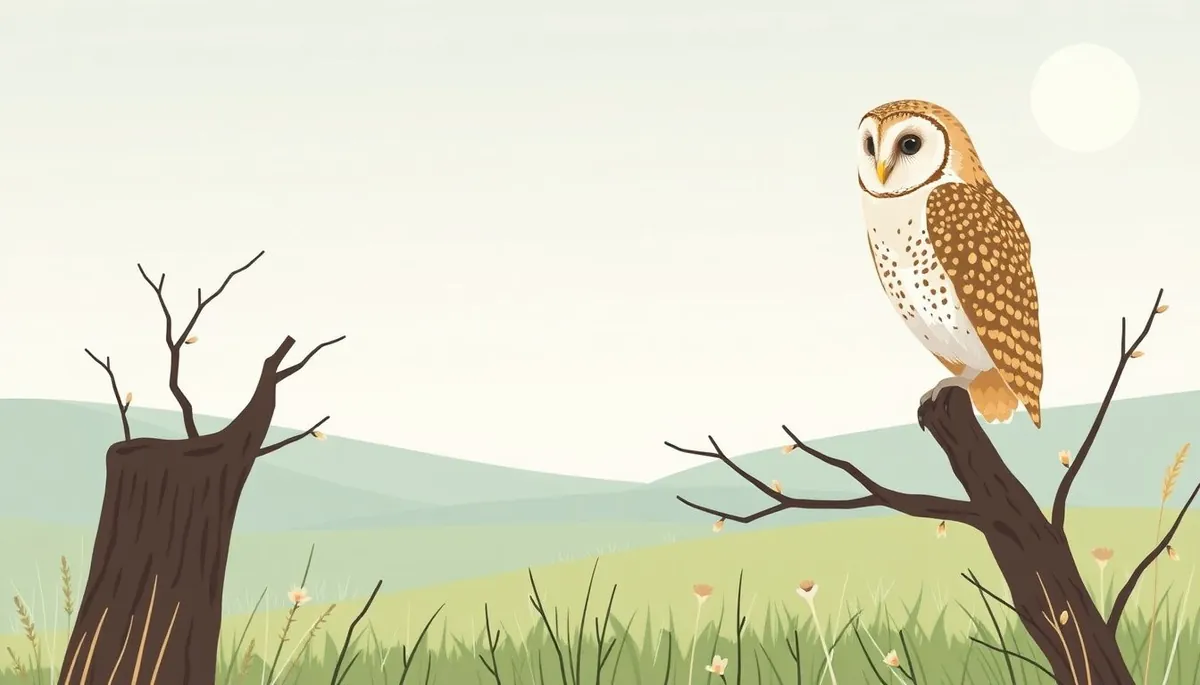
Barn owls are magnificent birds of prey, known for their distinctive heart-shaped faces, haunting calls, and incredible hunting skills. Attracting barn owls to your backyard can be a rewarding experience, providing natural pest control and a fascinating glimpse into the world of raptors. While it requires some effort and the right environmental conditions, creating a suitable habitat can encourage these elusive birds to take up residence. Here’s a comprehensive guide to attracting barn owls to your property.
Understanding Barn Owl Habitat
Before you start building nest boxes or modifying your landscape, it’s essential to understand what barn owls need to thrive. Their success hinges on three key factors: ample hunting grounds, a reliable food source, and suitable nesting sites.
Open Hunting Grounds
Barn owls are primarily nocturnal hunters, specializing in rodents. They prefer open fields, meadows, grasslands, and agricultural areas where they can easily spot their prey. If your property is surrounded by dense forests or heavily developed areas, attracting barn owls will be challenging.
- Assess your surroundings: Evaluate the amount of open habitat near your property. Are there fields, pastures, or other areas where rodents are likely to be abundant?
- Maintain open spaces: Avoid planting dense vegetation or allowing fields to become overgrown with brush.
Abundant Food Source
Rodents, particularly voles, mice, and rats, make up the bulk of a barn owl’s diet. A healthy population of these small mammals is crucial for attracting and sustaining a barn owl family.
- Encourage natural rodent populations: Avoid using rodenticides, as they can harm barn owls and other predators. Instead, focus on creating a habitat that supports a healthy rodent population.
- Consider attracting other prey: While rodents are their primary food source, barn owls will also eat small birds, insects, and amphibians. Creating a diverse habitat can attract a wider range of prey.
Safe and Secure Nesting Sites
Barn owls are cavity nesters, meaning they require enclosed spaces to raise their young. They often nest in barns, silos, tree cavities, and other structures that provide protection from the elements and predators. The absence of suitable nesting sites is often the limiting factor in barn owl populations.
- Natural Cavities: Barn owls will nest in natural cavities in large, mature trees.
- Artificial Nest Boxes: The most effective way to attract barn owls is to provide them with a suitable nest box.
Building and Installing a Barn Owl Nest Box
Nest boxes are the most reliable way to attract barn owls to your property. A well-designed and properly placed nest box can provide a safe and secure nesting site, increasing the chances of attracting a breeding pair.
Nest Box Design
There are many different nest box designs available, but a few key features are essential:
- Size: The interior of the nest box should be at least 18 inches wide, 24 inches deep, and 18 inches high.
- Entrance Hole: The entrance hole should be approximately 6 inches in diameter and located near the top of the box.
- Perch: A small perch below the entrance hole can help the owls enter and exit the box more easily.
- Drainage: Drill a few small holes in the bottom of the box to allow water to drain.
- Ventilation: Drill a few small holes near the top of the box to provide ventilation.
- Material: Use untreated, rough-sawn lumber that is at least 1 inch thick. Avoid using plywood or particleboard, as they can deteriorate quickly.
Nest Box Placement
The location of your nest box is just as important as its design. Consider these factors when choosing a location:
- Height: Mount the nest box at least 12 feet off the ground, preferably higher.
- Orientation: Face the entrance hole away from prevailing winds and direct sunlight. An east- or southeast-facing orientation is often ideal.
- Accessibility: Ensure that the nest box is accessible for cleaning and maintenance.
- Habitat: Place the nest box near open hunting grounds, such as fields, meadows, or pastures.
- Avoid Disturbances: Choose a location that is relatively free from human disturbance.
Nest Box Installation
There are several ways to install a barn owl nest box:
- Pole Mounting: This is the most common and often the most effective method. Use a sturdy pole that is at least 14 feet long and bury it at least 2 feet deep.
- Tree Mounting: If you don’t have a suitable pole, you can mount the nest box on a large tree. However, be aware that tree-mounted boxes may be more susceptible to predators.
- Building Mounting: You can also mount the nest box on the side of a barn, shed, or other building. However, make sure the building is not used frequently, as the noise and activity can disturb the owls.
Nesting Material
Add a layer of wood shavings or dried grass to the bottom of the nest box to provide insulation and help the owls get comfortable. Do not use hay, straw, or other materials that can become moldy.
Creating a Barn Owl-Friendly Landscape
In addition to providing a nest box, you can also modify your landscape to make it more attractive to barn owls.
Reduce Pesticide Use
Pesticides can harm barn owls directly or indirectly by reducing their food supply. Avoid using pesticides on your property and encourage your neighbors to do the same.
Control Invasive Vegetation
Invasive plants can reduce the amount of open habitat available to barn owls. Remove invasive plants and encourage the growth of native grasses and forbs.
Manage Rodent Populations Naturally
Instead of using rodenticides, focus on managing rodent populations naturally. Encourage predators such as snakes, foxes, and coyotes by providing them with suitable habitat. Consider putting up a squirrel-resistant bird feeder to avoid attracting rodents to spilled seed; see our guide to the Best Squirrel-Proof Bird Feeders — Tested Against an Actual Squirrel Problem.
Minimize Artificial Lighting
Artificial lighting can disrupt barn owls’ hunting behavior. Reduce the amount of outdoor lighting on your property and use motion-activated lights instead of leaving lights on all night.
Monitoring and Maintaining the Nest Box
Once you’ve installed a nest box, it’s important to monitor it regularly to ensure that it remains in good condition and that it is being used by barn owls.
Regular Inspections
Check the nest box at least once a year, preferably in the fall or winter when the owls are not nesting. Look for signs of use, such as owl pellets, feathers, or droppings.
Cleaning and Repairs
Clean out the nest box every few years to remove accumulated debris. Repair any damage to the box, such as cracks or holes.
Predator Control
Monitor the nest box for signs of predators, such as raccoons, opossums, or snakes. Take steps to deter predators, such as installing a predator guard on the pole or tree. A cone-shaped metal guard below the box can be highly effective.
Legal Considerations
Be aware that barn owls are protected by law in many areas. Before you start attracting barn owls to your property, check with your local wildlife agency to ensure that you are complying with all applicable regulations. In the United States, barn owls are protected under the Migratory Bird Treaty Act. It is illegal to harm, harass, or kill them without a permit.
Attracting barn owls to your backyard is a long-term commitment that requires patience and dedication. However, the rewards of providing a safe and secure home for these magnificent birds are well worth the effort. By following these guidelines, you can increase your chances of attracting barn owls to your property and enjoying the benefits of their presence for years to come. Consider investing in a quality pair of binoculars to observe these nocturnal hunters. Our review of Best Binoculars for Birding Under $200 — The Short List That Actually Holds can help you find a suitable pair.