
Attracting Backyard Owls: Habitat Tips and Best Optics for Night Viewing

By Robert Hale · Senior Editor
Published January 1, 2026 · Last reviewed May 12, 2026
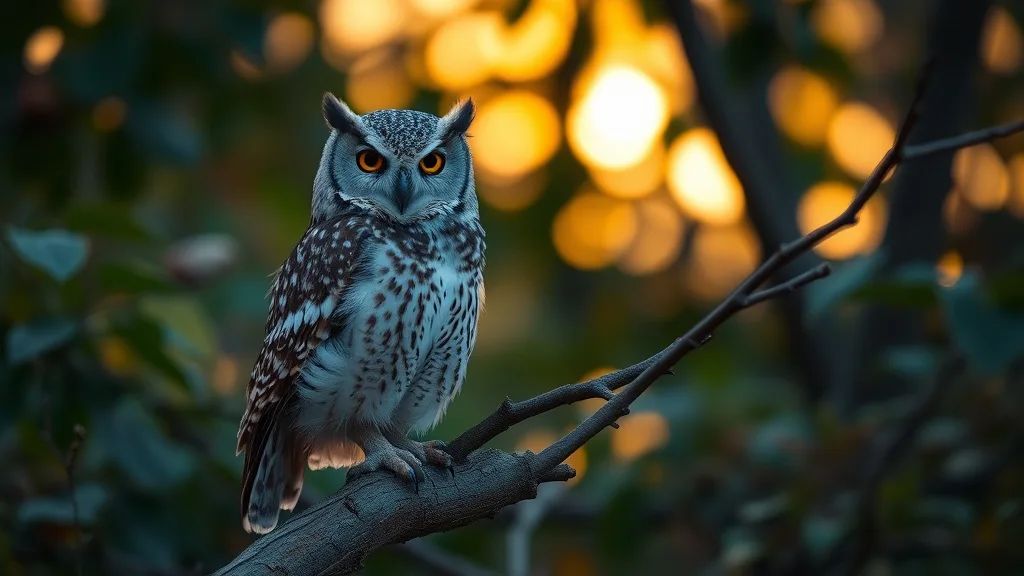
Attracting owls to your backyard and observing them at night can be deeply rewarding, yet challenging. Many backyard birders struggle to create suitable habitat for these secretive birds and find optics that balance night-time visibility with the need to avoid disturbance. This guide addresses these challenges by outlining effective habitat tips and recommending the best types of optics for ethical, clear night viewing.
What It Means to Attract Owls to Your Backyard
Unlike songbirds, owls are typically solitary and nocturnal, making them less apparent and harder to attract. They require specific environmental features for hunting, nesting, and roosting. Providing these conditions creates a natural encouragement for owls to frequent your property.
However, simply placing a nest box or playing calls is usually not enough. Understanding owls’ habitat preferences and hunting behaviors is essential for long-term success without causing disturbance.
See also: 16. [SPECIES: northern cardinal] How to Attract More Cardinals to Your Backyard
How to Create Owl-Friendly Habitat Step-by-Step
Follow these steps to encourage owls to visit your backyard while respecting ethical birding principles:
-
Assess Local Owl Species
Identify which owls are native to your region and their habitat needs. For example, Eastern Screech-Owls prefer wooded areas, while Barn Owls hunt in open fields and meadows. -
Provide Suitable Nesting Sites
Many owls accept nest boxes if natural cavities are scarce. Ensure boxes are sized and installed according to target species’ preferences—mounted at proper heights and oriented away from prevailing winds. -
Maintain Mature Trees and Deadwood
Preserve old trees and snags, as they often provide natural cavities and roosting spots. Avoid heavy clearing or removing deadwood unless it endangers safety. -
Manage the Rodent Population Naturally
Owls feed mainly on small mammals and insects. A healthy rodent and insect population encourages hunting activity. Avoid widespread rodent poison usage that can harm owls indirectly. -
Limit Artificial Light and Noise
Excessive lighting and loud noises deter owls. Install motion-activated or low-intensity lights away from key owl habitat and keep evening noise minimal. -
Avoid Playback and Frequent Flushing
Ethical birding discourages repeated call playback, which stresses owls. Learn to recognize their calls naturally, and view quietly from a distance without chasing or startling them. -
Provide Water Sources
A small pond or water dish can attract prey species and support owl hydration, further enhancing habitat quality.
By integrating these steps, you create an environment conducive to owl activity while minimizing disturbance that could otherwise cause them to avoid your backyard.
Best Optics for Night Viewing of Owls
Owls are crepuscular to nocturnal, which requires optics suited to low-light conditions. Choosing the right viewing tool balances optics quality, usability, and ethical viewing considerations.
Popular Night Optics Options:
| Optics Type | Strengths | Limitations | Best Use Scenario | Weather Resistance | Price Range |
|---|---|---|---|---|---|
| High-Quality Binoculars (Wide Aperture) | Clear images, good depth perception, lightweight | Limited low-light capability in deep dark | Early evening or moonlit nights | Usually weather-sealed | Moderate |
| Night Vision Devices | Amplify very low light, detail in darkness | Bulkier, require batteries, can be expensive | Late-night observations with minimal light | Variable, some waterproof models | High |
| Thermal Imaging Scopes | Detect heat signature, no light needed | Expensive, less detail on plumage, no color | Total darkness, spotting from distance | Often weather-resistant | Premium |
| Spotting Scopes with Low-Light Lenses | High magnification, good clarity | Less portable, tricky to hold steady without tripod | Stationary viewing from fixed spot | Often weather-sealed | Moderate to high |
Key Considerations When Choosing Night Optics:
- Optics Quality: Look for wide objective lenses (e.g., 50mm+) for better light gathering.
- Glassing Distance: Longer distances require higher magnification but beware of loss of brightness.
- Low-Light Usability: Some binoculars have coatings or features to improve twilight vision; night vision adds true amplification.
- Portability: Lightweight, compact optics encourage longer, less tiring sessions.
- Weather Resistance: Dew, fog, and rain are common conditions during nocturnal hours; sealed optics perform better.
- Ethical Use: Night vision or thermal devices can be intrusive if used at very close range; maintain respectful distances to avoid flushing owls.
How to Use Optics for Ethical Backyard Owl Viewing
-
Scout Before Nighttime
Identify likely perches and hunting areas during daylight from a distance. -
Set Up Quietly and Early
Arrive well before nightfall to avoid disrupting owl normal behavior. -
Use Minimum Necessary Illumination
Red or infrared lights help you see without disturbing owls. -
Avoid Close Approaches
Use optics to observe from 50+ meters if possible; this minimizes stress and disturbance. -
Limit Viewing Session Length
Keep sessions short to prevent behavioral disruption. -
Respect Owl Behavior
Cease observation if owls show signs of distress (alarm calls, fleeing, or defensive behavior).
Common Pitfalls When Attracting and Viewing Owls
- Overusing Playback: Excessive playback can cause owls to abandon nests or territory.
- Poor Habitat Maintenance: Failing to provide prey or nesting sites means owls won’t settle long term.
- Improper Optics Selection: Weak optics lead to frustration or invasive close-up attempts.
- Ignoring Weather Protection: Moisture can damage optics; poor weather resistance leads to equipment failure.
- Disturbing Owls at Night: Chasing or flashlight shining directly into eyes causes distress and disrupts hunting.
Frequently Asked Questions
Q: Can I attract owls by using recorded calls frequently at night?
A: No, frequent playback stresses owls and can cause territory abandonment. Use calls sparingly or primarily for educational purposes during the day.
Q: What binocular specs are ideal for low-light owl viewing?
A: Binoculars with 8x to 10x magnification and objective lenses of 42mm to 50mm provide a good balance of brightness and field of view at dusk.
Q: Is it ethical to use night vision devices to watch owls?
A: Yes, if used responsibly from a distance without shining bright lights or causing disturbance. Always prioritize owl welfare over viewing convenience.
Creating a backyard environment that attracts owls and offers rewarding night viewing combines thoughtful habitat enhancement with choosing the right gear for ethical, comfortable observation. With patience and respect, you can enjoy glimpses of these fascinating nocturnal hunters while supporting their role in your local ecosystem.
Top Picks


Spotting Scopes for Backyard Optics
- Emarth 20-60x60 Angled Spotting Scope for Target Shooting…Check on Amazon →
- Gosky Flagship DiamondEdge Spotting Scope 20-60x80 for Bi…Check on Amazon →
Prices and availability shown on the linked product pages are pulled from our Keepa-tracked catalog and may change on Amazon at any time.
