
9. How to Set Up a Backyard Bird Feeding Station That Actually Works Year-Round

By Robert Hale · Senior Editor
Published January 1, 2026 · Last reviewed May 12, 2026
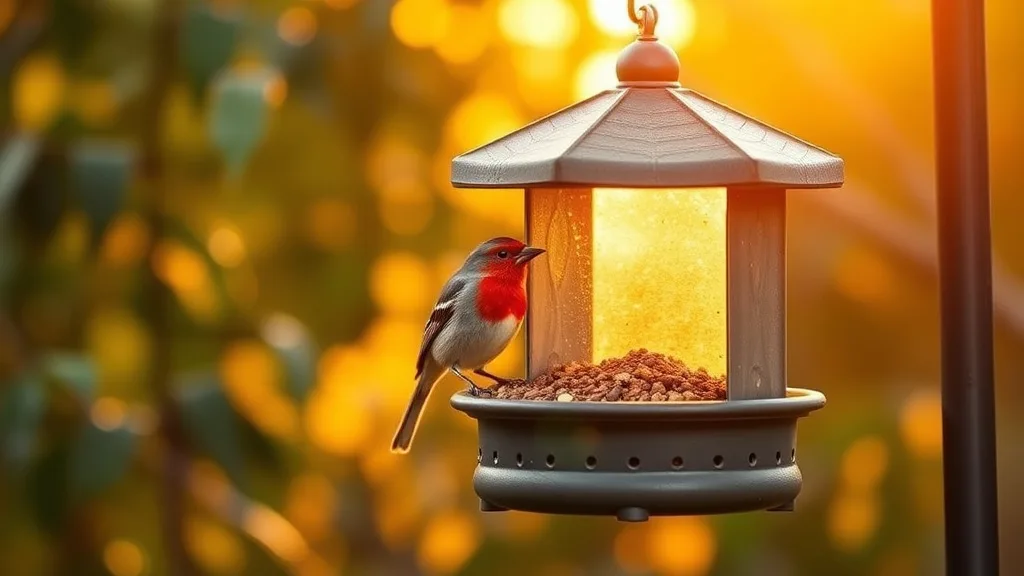
Setting up a backyard bird feeding station that consistently attracts birds throughout the year can be surprisingly tricky. Many backyard birders struggle with seasonal fluctuations in bird activity, feeders that sit unused, or feeders that unintentionally encourage aggressive behaviors. If you’re fed up with empty feeders or only seeing a handful of species, this guide will help you create a sustainable, bird-friendly feeding station tailored to your local birds’ needs all year round.
Step 1: Choose the Right Location
Location is the foundation of a successful feeding station. Birds are naturally cautious and seek out spots that offer safety from predators and easy access to cover.
- Visibility: Place feeders where you can comfortably watch birds without disturbing them, such as near windows or from a deck.
- Safety: Avoid locations too close to windows to prevent bird collisions; if near windows, use decals or screens for protection.
- Cover: Position feeders near shrubs, trees, or tall plants where birds can quickly retreat if threatened.
- Weather Protection: South- or east-facing locations provide shelter from prevailing winds and early morning sun.
See also: Creating a Bird-Friendly Habitat in Your Backyard Step-by-Step
Step 2: Select Feeders That Match Your Target Birds
Different bird species have varying feeding preferences, so mixing feeder types enhances diversity and ensures year-round visitors.
| Feeder Type | Best For | Pros | Cons | Seasonality |
|---|---|---|---|---|
| Tube Feeders | Finches, Chickadees, Nuthatches | Weather-resistant, easy to refill | Can clog in wet weather | All-year, watch for seed mold |
| Hopper Feeders | Cardinals, Grosbeaks, Jays | Larger seed capacity, attractive display | Heavy, harder to maintain clean | All-year |
| Platform Feeders | Ground feeders, doves, jays | Versatile seed types, accommodates suet | Seeds exposed to weather and squirrels | Best in mild weather |
| Suet Feeders | Woodpeckers, Nuthatches, Wrens | Attracts insectivores during cold months | Can spoil in warm weather | Winter to early spring |
| Nectar Feeders | Hummingbirds, Orioles | Specialized nectar feeding | Requires frequent cleaning | Spring to early fall |
Step 3: Provide a Variety of Food
Offering a mix of seeds and food types caters to different species’ nutritional needs and preferences all year round.
- Black-oil sunflower seeds: Popular with a broad range of birds, high in fat and calories, essential in winter.
- Nyjer (thistle) seed: Preferred by finches; use in specialized feeders.
- Suet cakes: Essential in winter for insect-eating birds.
- Peanuts: Attract woodpeckers and jays but must be stored dry to avoid mold.
- Fresh fruit or nectar: Offer in spring and summer for orioles, hummingbirds, and waxwings.
Changing the mix seasonally encourages local migrants and resident birds to visit regularly.
Step 4: Ensure Fresh Water Supply
Birds need water for drinking and bathing, especially in extreme weather conditions.
- Water dishes or birdbaths: Shallow and wide work best.
- Heated birdbaths: Prevent freezing in winter, maintaining water availability.
- Regular cleaning: Prevents disease and algae build-up.
Providing water near feeders maximizes visits.
Step 5: Protect Your Feeding Station from Weather and Pests
Weather and persistent pests can ruin your feeding station’s effectiveness.
- Weatherproof feeder placement: Use overhangs or install baffles to shield seed from rain and snow.
- Squirrel baffles: Prevent seed theft and damage.
- Frequent cleaning: Moldy seed is dangerous and discourages birds.
- Drainage: Pick feeders with drainage holes to avoid soggy seed.
Step 6: Maintain Ethical Bird Feeding Practices
Maintaining bird health and natural behaviors is paramount.
- No flushing or trapping: Never use playback or chase birds away to increase feeding activity.
- Clean feeders regularly: Minimizes disease transmission.
- Do not overfeed: Avoid excessive food that goes uneaten and rots.
- Respect local wildlife laws: Feeding stations should not support invasive or nuisance species disproportionately.
Step 7: Monitor and Adjust Throughout the Year
Bird species and their needs change with seasons; your feeding strategy should too.
| Season | Focus | Tips |
|---|---|---|
| Spring | Breeding birds, migration stops | Increase protein-rich foods like suet and mealworms |
| Summer | Insect-eaters, fledglings | Offer fresh fruit, nectar; reduce seed during hot weather |
| Fall | Migration preparation | Offer high-energy seeds like sunflower and peanuts |
| Winter | Survival during cold, scarce food times | Keep feeders stocked with fat-rich seeds and suet |
Regular observation lets you tweak feeder placement, types, and foods to meet your neighborhood’s changing bird population.
Step 8: Improve Optics and Viewing Comfort
To enjoy your efforts, quality optics and set-up matter.
- Use binoculars or spotting scopes: High-quality glass delivers sharp, bright views at varying distances, crucial in low-light seasons.
- Seating areas: Comfortable, weatherproof seating near feeders increases viewing time without disturbing birds.
- Minimize noise and movement: Move slowly or quietly when approaching feeders.
Step 9: Document Your Station’s Activity
Keeping a simple log or journal increases your awareness and helps adapt your setup.
- Record species seen: Noting dates and quantities helps track seasonal changes and success.
- Note feeder preferences: Observe which feeder types and seeds attract specific birds.
- Adjust timing: Note peak feeding times (often early morning or late afternoon).
This approach not only enriches your experience but helps maintain a bird-friendly backyard ecosystem.
Comparison Table: Single-Season vs. Year-Round Feeding Stations
| Feature | Single-Season Setup | Year-Round Setup |
|---|---|---|
| Food Variety | Limited to one or two types | Diverse seed and food types, adapted seasonally |
| Feeder Types | Usually one type (e.g., tube feeders) | Mixed feeders to attract broader species |
| Maintenance | Occasional cleaning and refilling | Regular, seasonal adjustments and hygiene |
| Bird Diversity | Limited species based on season | Higher diversity throughout the year |
| Water Provision | Often neglected | Included and maintained year-round |
| Pest Control | Basic (may not address season-specific pests) | Comprehensive (squirrels, ants, raccoons) |
| Ethical Considerations | May overlook changing bird needs | Adaptation prevents negative impacts |
Frequently Asked Questions
Q: How often should I clean my bird feeders?
A: Clean feeders every two weeks or more often in wet weather to prevent mold and disease spread.
Q: Can I use the same food year-round?
A: It’s best to adjust food types seasonally to meet birds’ nutritional needs and attract diverse species.
Q: How do I stop squirrels from raiding my feeders?
A: Use squirrel baffles, place feeders away from launching points (trees, fences), and try squirrel-resistant feeders.
By following these nine steps and focusing on the birds’ natural behaviors and needs, you can establish a backyard feeding station that stays vibrant and rewarding all year long. Watching your local avian community grow and change with the seasons can turn your backyard into a haven for both birds and birders alike.
Top Picks


Feeder Poles Worth a Look
- FEED GARDEN 76” Bird Feeder Pole, Heavy Duty Shepherds H…Check on Amazon →
- FEED GARDEN Adjustable Outdoor Shepherd Hook Bird Feeder …Check on Amazon →
Prices and availability shown on the linked product pages are pulled from our Keepa-tracked catalog and may change on Amazon at any time.
