
7. Waterproof vs Water-Resistant Binoculars — What the Specs Actually Mean in a Morning Rainstorm

By Robert Hale · Senior Editor
Published January 1, 2026 · Last reviewed May 12, 2026
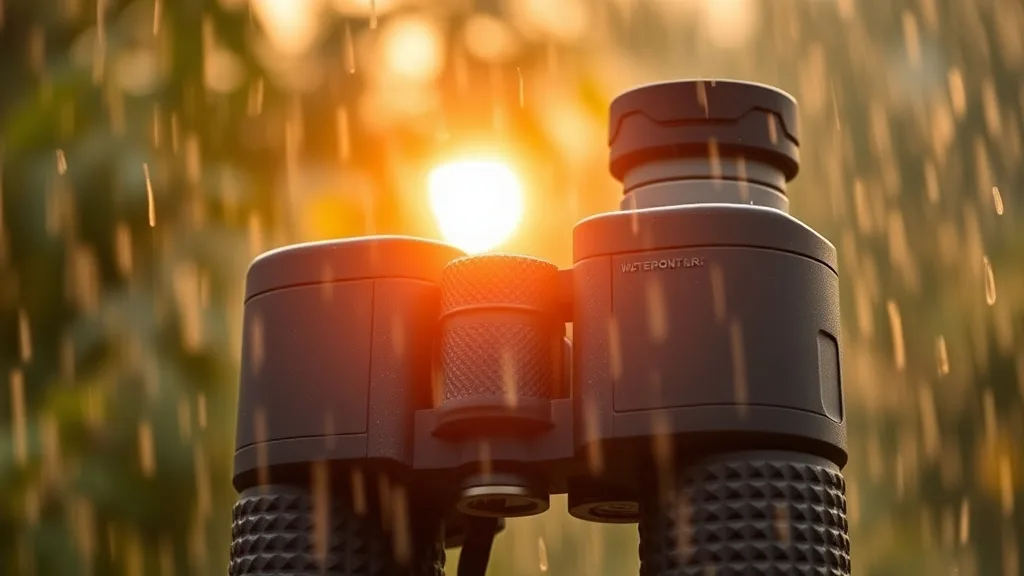
If you enjoy early morning birding but often get caught in unexpected drizzle or light rain, you know how frustrating it is when your binoculars fog up or water seeps inside, ruining your view. You’re probably weighing whether to invest in waterproof or water-resistant binoculars but find the specs confusing or vague. What do those terms really mean when you’re standing in a morning rainstorm? This article clears up the fog around “waterproof” vs “water-resistant” binoculars — how their specifications translate into actual field performance, especially in wet conditions typical for backyard birders and hobbyists.
What “Waterproof” and “Water-Resistant” Mean for Binoculars
At first glance, “waterproof” and “water-resistant” might sound similar, but in optics, these terms describe different levels of protection against moisture intrusion.
-
Waterproof Binoculars: Typically sealed to withstand full immersion in water for a specified time without damage. They use O-rings, gaskets, and sometimes pressure testing to ensure no water enters the internal prism or lens housing. The typical rating is IPX7 (immersion up to 1 meter for 30 minutes) or IPX6 (protected against powerful water jets).
-
Water-Resistant Binoculars: Designed to resist splashes, light rain, or humidity but not meant to be submerged. They offer some protection but may allow moisture inside under prolonged exposure or heavy rain.
The distinction is critical for anyone birding early mornings when mist, dew, or rain is common. Waterproof binoculars provide more confidence against fogging and damage, but they often come with a higher price tag.
How These Specs Matter in a Morning Rainstorm
In the field, specs like “waterproof” sound reassuring, but the how and why behind the label affect real usability:
-
Fogging Inside the Binoculars: Moisture inside the optics can cause interior fogging, which ruins the view. Waterproof binoculars are typically nitrogen- or argon-purged to prevent internal fogging, while water-resistant models may not have this feature.
-
External Water Beading and Wiping: Rubberized or hydrophobic coatings on waterproof and water-resistant bins help water bead up and roll off lenses, improving low-light usability as water doesn’t blur your view.
-
Sealing Integrity After Wear: Gaskets and seals degrade over time. Waterproof bins lose this protection if seals degrade or if dropped, making intermittent water resistance more of a spectrum than a yes/no feature.
-
Weight and Size Considerations: Waterproofing requires sealing materials, sometimes adding weight or bulk, which affects comfort during long morning watches.
When Waterproof vs Water-Resistant Binoculars Suit Your Birding Needs
Waterproof Binoculars Best For:
- Early morning birders who often encounter heavy or sustained rain or damp environments (marshes, coastal birding).
- Those who prioritize lens and prism protection long-term, including immersion resistance.
- Enthusiasts who use their optics in tough field conditions (hiking, duck hunting overlap).
- Birders wanting long-lasting fog-proof performance with internal gas purging.
Water-Resistant Binoculars Best For:
- Casual or backyard birders, where exposure to rain is infrequent and mostly light drizzle.
- Those on a budget seeking some protection against moisture without full waterproof certification.
- Birders who primarily bird in drier climates or mild weather and handle optics with care.
How to Identify the Level of Water Protection — Specs to Watch
Keep an eye out for these common specification details when shopping, to interpret real-world performance:
| Feature / Spec | Waterproof Binoculars | Water-Resistant Binoculars | Field Impact Example |
|---|---|---|---|
| IP Rating | Often IPX6/IPX7 certified | Rarely IP certified; splash-resistant | Waterproof bins survive submersion, water-resistant might fail if soaked |
| Internal Gas Purging | Nitrogen or argon purged to prevent fog | Usually not purged | Waterproof bins won’t fog internally during rapid temperature change |
| External Seals | Robust O-rings, gaskets sealing all openings | Basic seals or none | Waterproof bins resist water ingress from rain, water-resistant may leak |
| Lens Coating | Hydrophobic/multicoating standard | May have anti-reflection coating only | Waterproof bins shed water droplets better than water-resistant |
| Weight / Bulk | Slightly heavier due to seals and gas | Usually lighter due to fewer seals | Water-resistant bins easier to carry but less rugged |
| Price Range | Moderate to high | Lower to moderate | Waterproof bins often a bigger budget investment |
Practical Tips for Using Binoculars in a Rainy Morning
-
Keep Optics Covered When Not in Use: Rain coats, lens covers, and neoprene straps help limit exposure regardless of rating.
-
Avoid Sudden Temperature Changes: Take binoculars out slowly into the damp morning to reduce fog risk, even with waterproof units.
-
Dry Thoroughly After Use: Wipe down body and lenses, remove eyecups, and air out sealed binoculars to prolong seal life.
-
Handle Responsibly: Avoid flushing birds unnecessarily with playback or surprise movements during rain, as disturbance can harm sensitive species and your optics.
-
Regular Maintenance: Check seals and lubricants yearly; replace parts if you notice water ingress or loss of fog-proofing.
Common Pitfalls to Avoid When Choosing or Using Your Glasses
-
Assuming Waterproof Is Waterproof Forever: Drops and wear will eventually degrade seals. Treat your binoculars with care.
-
Ignoring Low-Light and Optical Quality: Waterproof features won’t help if glass quality is poor. Prioritize optics and coatings for dawn/dusk birding.
-
Overusing Playback in Rain: Playback use paired with wet weather can aggravate bird stress; use sparingly in any weather.
-
Neglecting Field Use Scenarios: Match binocular toughness to your usual birding spots; heavy-duty waterproof models may be overkill for backyard birding.
Conclusion
For birders facing a morning rainstorm, understanding the difference between waterproof and water-resistant binoculars can mean the difference between a clear view and a ruined day. Waterproof binoculars offer better long-term protection against immersion and fogging, ideal for frequent wet conditions, while water-resistant models serve casual birders in drier or lightly rainy settings. Keep in mind that specs only tell part of the story — field handling, maintenance, and ethical birding behavior are equally important to safeguard your optics and your feathered subjects.
Frequently Asked Questions
Q: Can water-resistant binoculars handle a sudden rain shower?
A: Yes, light to moderate rain is usually fine for water-resistant models, but avoid prolonged exposure or immersion.
Q: How can I tell if my binoculars fogged internally due to moisture?
A: Internal fog appears between the glass elements and won’t wipe off the lenses; it signals compromised sealing or lack of purging.
Q: Is it okay to use playback during wet weather with waterproof binoculars?
A: While waterproofing protects your optics, excessive playback can disturb birds; always use playback sparingly and responsibly regardless of weather.


