
6. How to Clean Binoculars Without Scratching the Lens Coatings

By Robert Hale · Senior Editor
Published January 1, 2026 · Last reviewed May 12, 2026
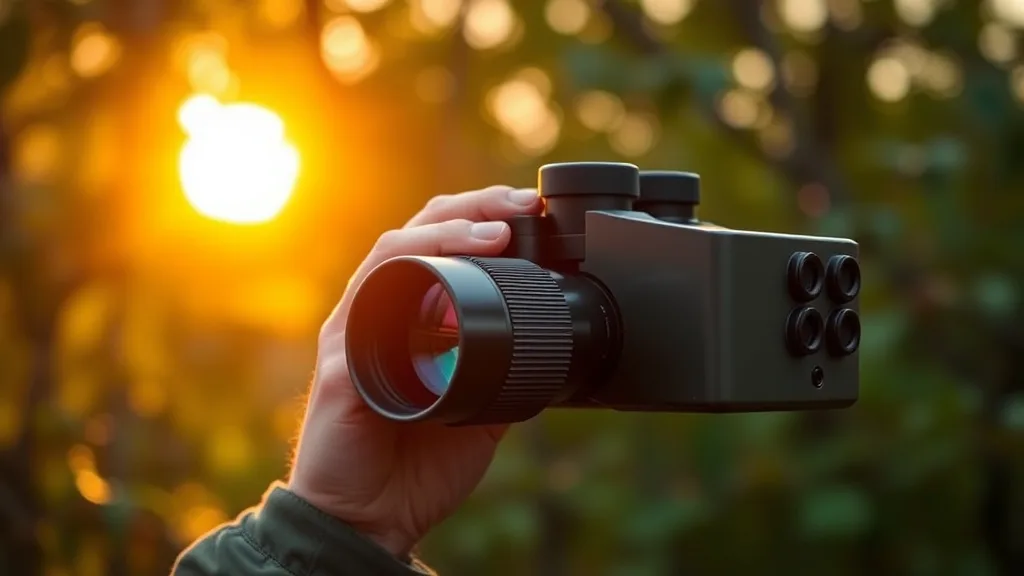
Cleaning binocular lenses without damaging the delicate coatings is a common challenge for backyard birders and birding hobbyists. Dirty, streaky, or scratched lenses can ruin the birding experience by reducing clarity and contrast, especially important during low-light conditions. The problem is compounded by the special lens coatings that enhance optics performance but can be easily damaged by improper cleaning techniques or materials. This guide provides practical, step-by-step advice to keep your binoculars clean and protected, ensuring sharp views while respecting the investment you’ve made in quality optics.
Why Proper Lens Cleaning Matters
Binocular lenses have multiple coatings designed to reduce glare, improve light transmission, and increase contrast. These coatings are typically very thin and can be scratched or worn away if you use rough cloths, abrasive powders, or overly aggressive cleaning solutions. A scratched or damaged lens coating degrades image quality permanently and is costly or impossible to repair at home.
Common contaminants include dust, fingerprints, water spots, and smudges from sweat or oils. Each type of dirt requires different cleaning approaches, but the essentials boil down to gentle methods and suitable materials.
See also: Best Optics for Backyard Birding: Choosing the Right Binoculars
How to Clean Binoculars Without Scratching Lens Coatings
1. Blow Away Loose Dirt First
Why: Dust and grit are the main culprits for scratches when wiping lenses.
How: Always start by using a gentle air blower (a hand-squeezed rubber blower or a can of compressed air designed for optics). Avoid blowing with your mouth, as it introduces moisture.
Tip: Do this outdoors or in a clean area to prevent further dust landing on the lenses.
2. Brush Away Remaining Particles with a Soft Brush
Why: Some particles cling and won’t come off with air alone.
How: Use a lens brush made of fine, natural or high-quality synthetic hair. Gently sweep the lens surface to remove remaining dust.
Warning: Avoid using brushes with stiff or coarse bristles.
3. Choose the Right Cleaning Cloth or Tissue
| Cleaning Material | Pros | Cons | Best Use Case |
|---|---|---|---|
| Microfiber cloth | Soft; effective at picking oils; washable | Can trap grit if not clean | Regular cleaning; final wipe |
| Lens cleaning tissue | Disposable; lint-free | Single use only; can be wasteful | Emergency or travel use |
| Cotton swabs | Allows detailed cleaning | Fibers may shed; avoid large lenses | Small crevices or eyepieces |
| Paper towels / Tissues | Readily available | Too abrasive; scratch risk | Avoid; only if nothing else |
| Clothing (e.g., T-shirt) | Accessible | Fibers + dirt can harm coatings | Avoid except in emergencies |
4. Use Proper Cleaning Solutions for Smudges and Fingerprints
Why: Water alone may not remove oils, but harsh chemicals can damage coatings.
What to use: Commercial lens cleaners formulated for coated optics or a 50:50 solution of distilled water and isopropyl alcohol.
How: Apply the solution sparingly to your cleaning cloth or tissue, never directly onto lenses. Wipe gently in a circular motion.
Avoid: Household glass cleaners, detergents, and solvents as they often contain ammonia or alkali that strip coatings.
5. Wipe Lenses Gently in One Direction
Why: Rubbing back and forth increases the risk of trapping dust and scratching.
How: Use a circular or single-direction feather-light stroke. If the smudge persists, reapply cleaner on a fresh cloth.
6. Dry and Polish the Lenses
After cleaning, use a dry microfiber cloth or a fresh lens tissue to lightly polish the lens surface. This removes any streaks or residue leftover.
Additional Tips for Maintaining Your Binoculars
- Cap your binoculars when not in use: Dust and debris settle on exposed lenses.
- Store in a dry, padded case: Prevents scratches and protects from moisture.
- Avoid cleaning lenses frequently unless necessary: Excessive wiping increases wear on coatings.
- Check your cleaning tools regularly: Dirty cloths defeat the protection of careful cleaning.
Cleaning Methods Comparison Table
| Method | Effectiveness on Dirt | Risk to Coatings | Convenience | Cost | Notes |
|---|---|---|---|---|---|
| Air Blower + Lens Brush | High | None | High | Low | Essential first step |
| Microfiber Cloth + Cleaner | High | Low | Moderate | Medium | Recommended for regular cleaning |
| Lens Tissue + Cleaner | Moderate | Moderate | High | Moderate | Good for travel or emergencies |
| Household Products (e.g., glass cleaner) | Very High | High | High | Low | DANGEROUS; avoid at all costs |
| Clothing or Paper Towels | Low | High | Very High | None | Last resort only |
Ethical Considerations When Cleaning Binoculars in the Field
Cleaning binoculars outdoors during birding trips can be tempting but consider your surroundings:
- Use a shaded area or shelter to avoid dust blowing onto fresh-cleaned lenses.
- Avoid playing bird calls or flushing birds while distracted by cleaning.
- Prioritize quick, gentle cleaning; prolonged cleaning sessions risk missing sightings and disturbing wildlife.
Frequently Asked Questions
Q: Can I use my shirt sleeve to clean binocular lenses if I don’t have a cloth?
A: It’s best to avoid this as fabric fibers and dirt can scratch coatings. Use a clean microfiber cloth or lens tissue if available.
Q: How often should I clean my binocular lenses?
A: Only clean lenses when they visibly need it. Frequent unnecessary cleaning can wear coating. Daily dust removal with an air blower is sufficient.
Q: Is it okay to apply lens cleaner directly onto the binocular lens?
A: No. Spray cleaning fluid onto the cloth to avoid excess liquid seeping into internal optics and housing, which could cause damage.
By following these practical and mindful steps, you safeguard your binocular investment and enhance your birding experience with clear, sharp views free from scratches or residue. Clean your lenses carefully, and your binoculars will reward you year after year with outstanding performance.


