
30. How Much Does It Cost to Feed Backyard Birds for a Year? (Real Numbers, Not Marketing Math)

By Robert Hale · Founder & Field Editor, BirdLedger
Published January 1, 2026 · Last reviewed May 12, 2026
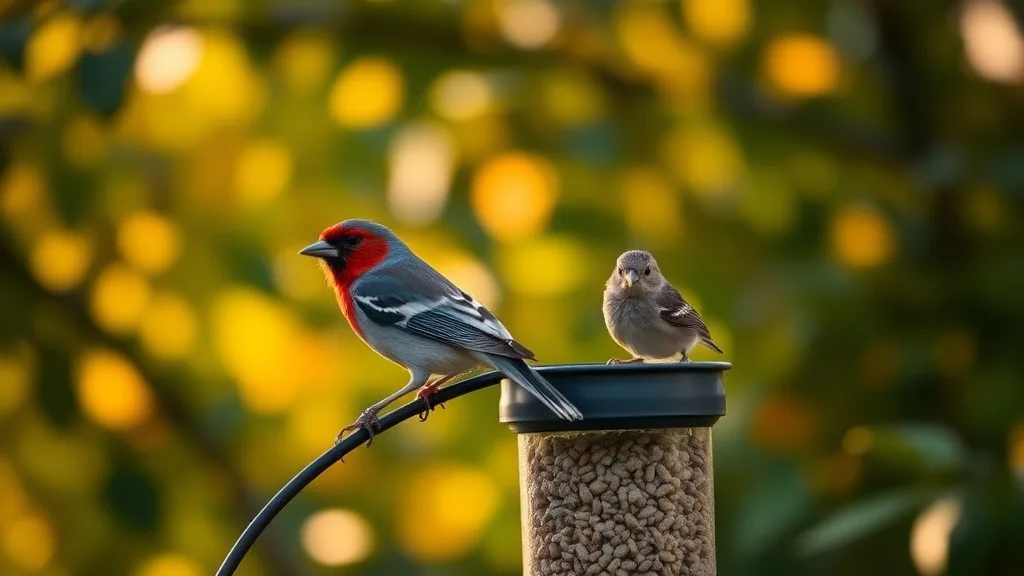
Feeding backyard birds can be a rewarding hobby, but many birders wonder how much it truly costs to keep their feeders stocked throughout the year. Marketing materials or starter kits often present attractive prices that don’t align with what’s actually spent over 12 months. If you’re trying to budget realistically—whether you’re a casual feeder or an avid backyard birder—understanding the real costs involved is essential.
What It Is: The True Cost of Feeding Backyard Birds
The annual cost to feed backyard birds depends on several factors: the number and type of feeders, bird species attracted, seed types, seed consumption rates, and local seed prices. Many casual birders start with a single feeder and a basic mixed seed blend but later add specialty feeders, such as suet cages or nectar feeders, to attract a wider variety of birds.
To get an accurate estimate, you’ll need to consider:
- Seed consumption and frequency of refilling: How often does the seed run out?
- Type and quality of seed: Higher-quality seed or specialty mixes cost more.
- Quantity fed daily or weekly: More feeders or heavier feeding means higher costs.
- Equipment maintenance and replacement: Feeders, suet cages, and nectar feeders wear out.
- Seasonal variations: Birds’ seed and nectar consumption fluctuate by weather and season.
See also: How to Build a DIY Backyard Bird Feeder from Recycled Materials
How It Works: Breaking Down the Numbers
Step 1: Estimate Seed Consumption
Bird seed consumption varies widely—a single feeder filled once a week can use about 5 pounds of mixed seed per month, but heavy feeders with multiple stations can easily consume 15-30 pounds per month in peak seasons.
Step 2: Calculate Seed Cost
Retail prices for common bird seed blends range widely—from roughly $1 to $3 per pound depending on seed type and quality. For example, black oil sunflower seed, a favorite for many backyard birds, typically costs around $1.50 to $2.50 per pound at bulk rates.
Step 3: Add Specialty Feeding Supplies
Suet cakes, nectar for hummingbirds, and peanut butter blends each have specific costs and consumption rates. Suet cakes may cost $1 to $2 each and last a few days, while nectar can be made inexpensively at home with sugar and water but requires frequent changing.
Step 4: Factor Other Costs
Feeders must be cleaned and occasionally replaced. A good quality feeder may last several years but budget for replacement or repairs. Weather-resistant feeders can reduce losses due to mold and spoilage.
When to Use This Information
Use these calculations if you want to:
- Avoid surprises in your bird feeding budget.
- Decide how many and what types of feeders to set up.
- Choose seed types to balance bird attraction with cost.
- Plan for seasonal changes in bird activity and seed demand.
- Minimize waste and maximize bird health (e.g., avoiding moldy seed).
Common Pitfalls in Estimating Costs
- Assuming starter kits reflect long-term expenses.
- Underestimating how quickly birds eat seed in winter.
- Ignoring spoilage and waste.
- Not considering seasonal feeder maintenance.
- Using marketing prices for “bulk” seed without checking local prices.
Real-World Costs of Feeding Backyard Birds Over One Year
Here’s a rough example based on typical consumption for a moderately active bird feeding setup:
| Item | Quantity per Year | Cost per Unit (Avg) | Annual Cost (Est.) | Notes |
|---|---|---|---|---|
| Mixed seed (black oil sunflower blend) | 150 lbs | $2.00 / lb | $300 | Feeding multiple feeders, year-round |
| Suet cakes | 20 cakes | $1.75 each | $35 | Used mainly in winter |
| Hummingbird nectar | 40 quarts | $0.50 per quart (homemade) | $20 | Homemade nectar, changed every 3 days in summer |
| Feeders and maintenance | Replacement every 2–3 years | $50–$75 total | $20 (amortized) | Includes cleaning supplies and feeder replacements |
| Miscellaneous (seed storage, perch guards) | One-time or infrequent | - | $10 | Seed storage containers, squirrel guards |
Total Estimated Annual Cost: $385
This is a moderate figure that assumes feeding at least three feeders with a diversity of food types and some seasonal increases. It is quite feasible to spend less by limiting feeders or choosing less expensive seed types, or to spend more with larger feeding stations and premium seed.
Tips to Manage Costs Without Sacrificing Quality
- Buy local bulk seed: Locally sourced seed often costs less and reduces shipping.
- Limit varieties: Sticking to black oil sunflower and safflower seeds attracts many species without the premium price of specialty mixes.
- Feed seasonally: Reduce seed offerings in times when natural food is abundant.
- Prevent waste: Use feeders with seed catch trays and weather protection.
- Maintain feeders: Regular cleaning prolongs feeder life and bird health.
- DIY nectar: Home-made hummingbird nectar is far cheaper than store-bought.
Comparison Table: Seed Types and Cost vs Appeal
| Seed Type | Approx. Cost per Pound | Bird Appeal | Shelf Life & Storage | Weather Sensitivity |
|---|---|---|---|---|
| Black Oil Sunflower | $1.50 to $2.50 | High (finches, chickadees, woodpeckers) | Up to 6 months in cool, dry place | Moderate (mold risk if wet) |
| Mixed Seed Blend | $1.00 to $3.00 | Medium (random mix attracts many) | Varies widely (watch ingredients) | High (corn and millet spoil quickly) |
| Nyjer (Thistle) Seed | $3.00 to $5.00 | High (goldfinches, siskins) | Up to 1 year sealed | Low (small seed, molds fast) |
| Safflower Seed | $2.00 to $3.50 | Medium (cardinals, titmice) | 6 months | Moderate |
Choosing the right seed blend that balances cost with the bird species you want to attract can optimize your annual feeding budget.
Frequently Asked Questions
Q: Can I feed birds year-round without breaking the bank?
A: Yes, by adjusting seed quantities seasonally, buying in bulk, and limiting feeders during off-peak seasons, many birders keep costs reasonable.
Q: Is homemade hummingbird nectar as effective as store-bought?
A: Absolutely. A simple mix of four parts water to one part white granulated sugar replaced every few days works well and costs pennies compared to pre-made nectar.
Q: How can I prevent seed waste and spoilage?
A: Use weather-resistant feeders, clean them regularly, store seed properly in airtight containers, and monitor feeding stations to avoid leftover soggy or moldy seed.
Feeding your backyard birds is more than just a fun activity—it’s a commitment that requires planning and budgeting. By understanding the real costs involved, you can enjoy year-round birdwatching without unexpected expenses or ethical missteps like overfeeding or neglecting feeder cleanliness.
Top Picks


Sponsored · From our family of brands
Phone Case Gift
Fun finds for every vibe.