
3. Best Binoculars for Beginners: 8×42 vs 10×42 — Which Magnification to Start With
By Robert Hale · Senior Editor
Published January 1, 2026 · Last reviewed May 12, 2026
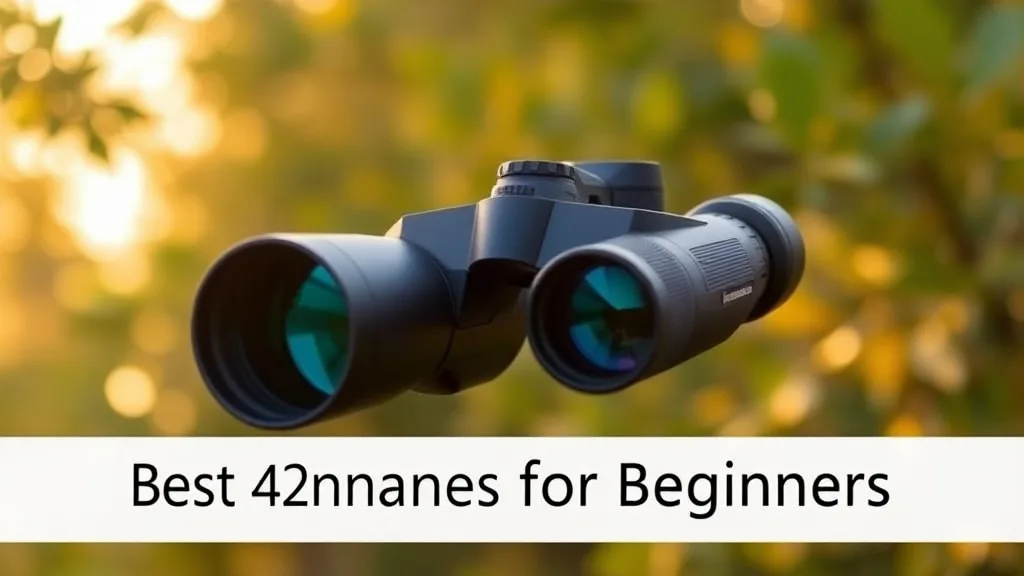
Beginners to birding often face a key question when choosing their first binoculars: should they go for 8×42 or 10×42 magnification? Both are popular choices, but the short answer is that each has trade-offs affecting your viewing comfort, field usability, and overall birding experience. Understanding these differences can help you pick a pair that matches your environment, eyesight, and birding style.
Understanding Binocular Magnification and Objective Lens Size
When you see “8×42” or “10×42,” the first number refers to magnification—the number of times closer an object appears compared to the naked eye. The second number is the diameter (in millimeters) of the front lenses, known as the objective lenses. A 42mm objective lens balances light gathering with size and weight, which is why it’s a common choice for birders.
- 8×42 means the binocular brings the subject 8 times closer and has 42mm objective lenses.
- 10×42 means 10 times closer with the same 42mm lenses.
The main differences stem from those numbers: magnification affects detail and steadiness, while lens size influences brightness, especially in low light.
See also: Best Binocular Magnification Levels for Backyard Birding Beginners
How Magnification Impacts Your Birding Experience
8×42: The User-Friendly Option
- Wider Field of View: Lower magnification means a broader viewing window—in practical terms, you can see more of the landscape without moving the binoculars. This helps when spotting small, fast-moving birds or scanning wooded areas.
- Less Shake: Lower magnification is less affected by hand tremors, which improves tracking birds on the move and reduces fatigue during long sessions.
- Better Low-Light Performance: Combined with the 42mm lenses, 8×42 binoculars provide good brightness at dawn, dusk, and shaded forests.
- Lightweight and Comfortable: Generally easier to hold steady for beginners.
10×42: More Detail, More Challenge
- Greater Magnification: Provides a closer, more detailed look at distant birds, which is especially useful for shorebirds or raptors far away.
- Narrower Field of View: Makes it harder to locate and follow fast-moving subjects; requires more patience and steadiness.
- Increased Shake Sensitivity: Hand tremors are amplified, often requiring you to rest your elbows or use a tripod/monopod for steady views.
- Slightly Reduced Brightness: The same 42mm light-gathering area spread over higher magnification means the image can look darker in low-light conditions.
- Heavier Feel: Though the objective size is the same, the internal lens configurations can sometimes make 10×42 binoculars a bit heavier.
Weather Resistance and Practical Use in the Field
Both 8×42 and 10×42 binoculars at reputable price points generally offer:
- Waterproofing: Nitrogen-purged and O-ring sealed to prevent fogging and moisture damage.
- Durable Rubber Armor: Shock-resistant and secure grip, essential for outdoor use.
Since weather resistance is usually comparable, the deciding factors boil down to optics, ease of use, and the environment where you’ll bird most.
Choosing Based on Your Field Conditions
| Feature | 8×42 | 10×42 | Best Scenario |
|---|---|---|---|
| Magnification | 8× | 10× | General backyard to woodland |
| Field of View | Wider (~330-380 ft @ 1000 yds) | Narrower (~300-320 ft @ 1000 yds) | Scanning moving birds |
| Image Brightness | Brighter | Slightly dimmer | Low-light birding (dawn, dusk) |
| Hand Shake Sensitivity | Low | Higher | Beginners and handheld use |
| Weight and Bulk | Often lighter | Slightly heavier | Long hikes or lightweight carry |
| Detail at Distance | Good | Better | Observing distant shorebirds or raptors |
| Ease of Spotting Targets | Easier | Harder | New birders learning to locate birds |
| Cost | Generally less expensive | Can be higher | Budget-conscious beginners |
Birder Ethics: Respecting Birds While Opting Your Binoculars
Regardless of the magnification level, the best optics will not make up for ethical field behavior:
- Avoid flushing birds: Use binoculars to watch quietly from a distance rather than spooking birds closer.
- Minimal playback use: Rely more on optics than sound playback to attract or confirm species.
- Stay on trails and respect habitats: Your binoculars may help you detect rare species without disturbing sensitive environments.
Ethical birding enhances the enjoyment and sustainability of birding habitats for years to come.
Practical Tips for Beginners Using 8×42 or 10×42 Binoculars
- Try Before You Buy: Visit a local birding shop or attend a bird walk where you can hold and test both options outdoors.
- Practice Glassing Steadily: For 10×42, steady your hands by bracing elbows against your ribs or lean on a stable surface.
- Use a Neck Strap or Harness: Reduces fatigue and protects your optics during extended outings.
- Choose a Comfortable Fit: Adjustable eye relief and soft rubber eyecups help whether you wear glasses or not.
- Keep Them Clean and Protected: Wipe lenses gently and store binoculars in a protective case to preserve optics quality and weather resistance.
Summary: Which Magnification to Start With?
For most beginner backyard birders, 8×42 binoculars offer the perfect balance of brightness, comfort, and ease of use. They help you learn to locate and follow birds without strain and work well in many lighting conditions.
If you often find yourself observing particularly distant species like raptors or shorebirds and you’re confident holding steady, 10×42 can provide useful extra detail — but at a cost of a narrower view and more delicate handling.
Frequently Asked Questions
Q: Are 10×42 binoculars harder to use for beginners?
A: Yes, because higher magnification amplifies hand shake and reduces field of view. Beginners should consider 8×42 for easier tracking and scanning.
Q: Can I use clamps or tripods with handheld binoculars?
A: Absolutely. For 10×42 or even 8×42 at times, using a tripod or monopod improves stability and sharpness, especially during prolonged viewing.
Q: Does the size of the objective lens affect weight significantly?
A: Yes, bigger lenses mean heavier binoculars. Staying at 42mm keeps weight manageable for beginners, balancing light gathering and portability.
Choosing binoculars is more about your personal birding environment and preferences than just specs. Start where you are comfortable, and your optics will bring you countless rewarding glimpses into the bird world.


