
28. Black-Oil Sunflower Seed vs Safflower Seed — Which Attracts Better Birds and Fewer Nuisance Species

By Robert Hale · Senior Editor
Published January 1, 2026 · Last reviewed May 12, 2026
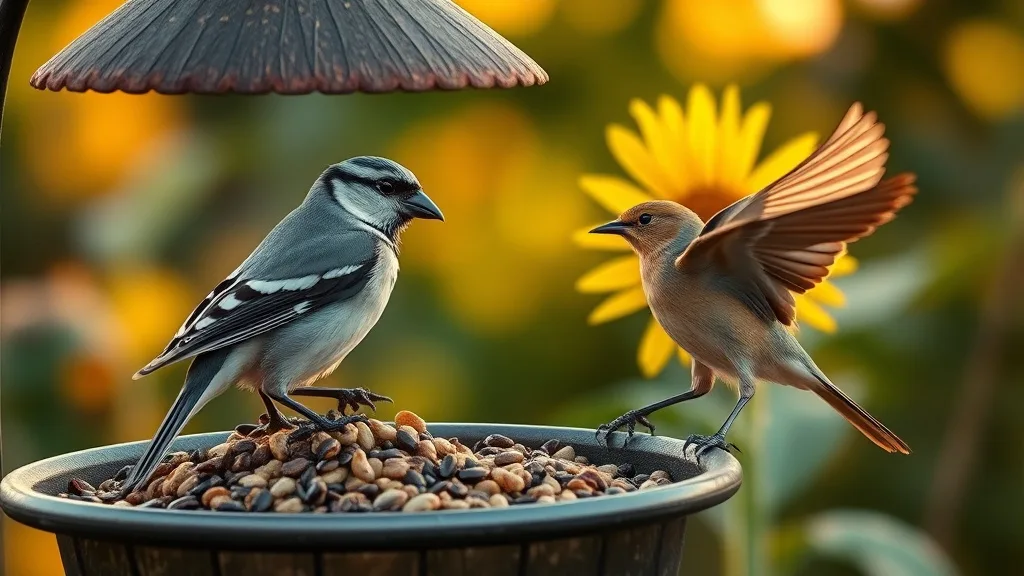
Black-Oil Sunflower Seed vs Safflower Seed — Which Attracts Better Birds and Fewer Nuisance Species
If you’re a backyard birder, you know feeding birds can be rewarding but also challenging when you start attracting the wrong species—pigeons, squirrels, or aggressive starlings vying for your feeders. The seed you choose plays a huge role not only in the quality and variety of birds visiting but also in minimizing these “nuisance” visitors. Two popular options, black-oil sunflower seed and safflower seed, often come up in this debate. Which one truly brings more songbirds, and which one keeps the pests at bay? This article breaks down the differences, helping you pick the right seed based on birds you want to attract, feeder setup, and ethical feeding practices.
See also: 11. Tube Feeder vs Platform Feeder vs Hopper: Which Type Attracts the Most
What Are Black-Oil Sunflower and Safflower Seeds?
Black-Oil Sunflower Seed
Black-oil sunflower seeds are the classic staple for most bird feeders. Their thin shells, high oil content, and appealing size make them favorites for a broad range of birds. They sport a rich black hull and offer approximately 50% oil content, providing a high-energy food source for birds especially during migration and cold weather.
Safflower Seed
Safflower seeds have a tough white shell, a bit larger and harder than black-oil sunflower seeds. Although less oily, safflower seeds have a bitter taste that many birds find appealing but some mammals and pests avoid. Their oil content is moderate but still sufficient to provide substantial energy.
How These Seeds Work to Attract Birds
Bird Preferences
- Black-oil sunflower seed appeals to the broadest range of bird species including cardinals, chickadees, finches, nuthatches, woodpeckers, and titmice. Its thin shell allows easy access to the nutritious kernel.
- Safflower seed appeals selectively to cardinals, chickadees, titmice, and certain finches but tends to repel house sparrows, starlings, pigeons, and squirrels due to its bitterness and harder shell.
Feeding Behavior and Feeder Types
- Black-oil sunflower works well with almost all feeder types: tube feeders, hopper feeders, platform trays, and tube feeders with larger ports.
- Safflower seed is best suited for tube and hopper feeders that keep the seed dry and protected but can also be used in platform feeders.
Which Seeds Attract Better Birds?
“Better birds” is subjective but typically means colorful, native songbirds that provide enjoyable viewing without aggressive competition.
- Black-oil sunflower seed attracts the widest variety of species due to its accessibility. For example, northern cardinals enjoy it as much as chickadees and nuthatches.
- Safflower seed is particularly popular with cardinals and some smaller songbirds but will not attract large numbers of sparrows or pigeons, which can crowd and intimidate other visitors.
Which Seeds Attract Fewer Nuisance Species?
Nuisance species often include: starlings, house sparrows, pigeons, and mammals like squirrels.
- Black-oil sunflower seed tends to attract these nuisance species because its thin shell and high oil content make it an easy target. Squirrels, in particular, love black-oil sunflower, often monopolizing feeders.
- Safflower seed has a reputation for repelling several nuisance species. Starlings and house sparrows generally avoid safflower seeds, and squirrels dislike the taste and toughness.
Weather Resistance and Storage Considerations
- Black-oil sunflower seed tends to spoil faster due to its high oil content, especially in humid or wet climates. Storing it in airtight containers and protecting feeders from moisture is important.
- Safflower seed has a longer shelf life and does not gum up feeders as black-oil sunflower can. It tolerates wet conditions better because of its shell.
Ethical Feeding: Avoiding Flushing and Playback Abuse
When feeding with either seed, use best-practice etiquette:
- Provide only the volume of seed that local birds can consume in a day to avoid waste and mold buildup.
- Avoid playbacks or lures that unnaturally attract birds if they increase stress or predation risk.
- Use feeder styles that minimize seed toss and ground feeding to reduce unintended feeding of nuisance species.
Seed Comparison Table: Black-Oil Sunflower vs Safflower
| Feature / Criteria | Black-Oil Sunflower Seed | Safflower Seed |
|---|---|---|
| Species Attracted | Wide range: cardinals, finches, chickadees, woodpeckers, nuthatches | Cardinals, chickadees, titmice; fewer finches |
| Nuisance Species Attraction | Attracts starlings, house sparrows, pigeons, squirrels | Generally repels starlings, house sparrows, squirrels |
| Shell Hardness | Thin shell, easy to crack | Tougher shell, more challenging to seed eaters |
| Oil Content | High (~50%), high energy | Moderate, slightly less oily than sunflower |
| Weather Resistance | Lower; prone to spoilage in damp/humid conditions | Higher tolerance to damp weather; longer shelf life |
| Best Feeder Types | Tube, hopper, platform feeders | Tube and hopper feeders recommended |
| Cost | Usually less expensive, widely available | Slightly more expensive, less widely stocked |
| Ease of Cleanup | May leave more hull debris | Less debris, shells harder to crack but litter is minimal |
| Ideal Use Case | Attract maximum species diversity in all seasons | Reduce competition and nuisance species while attracting key favorites |
| Ethical Considerations | Manage feeder volume to prevent waste | Same, but often fewer issues with spoiled seed |
Practical Advice: When to Use Each Seed
Use Black-Oil Sunflower Seed If:
- You want to attract the greatest variety of birds including woodpeckers and nuthatches.
- You don’t mind some competition from nuisance species and can manage squirrels with baffles or other barriers.
- Your feeder setup is well protected from moisture, or you feed frequently enough to avoid spoilage.
- You enjoy watching a diverse group of birds even if some are aggressive or noisy.
Use Safflower Seed If:
- You want to minimize visits from starlings, house sparrows, and squirrels — ideal in more urban and suburban areas.
- You primarily want to attract cardinals, chickadees, and titmice without feeding the “pest species.”
- You seek a lower-maintenance seed that lasts longer in damp weather.
- You are focused on feeder cleanliness and less hull mess.
Common Pitfalls When Choosing Between These Seeds
- Feeding only safflower seed expecting all species: It tends to attract fewer types of birds than black-oil sunflower. If you want maximum diversity, safflower alone won’t do it.
- Not managing squirrel access: Even safflower seed sometimes doesn’t totally deter squirrels if feeders aren’t protected. Using baffles or squirrel-proof feeders is still recommended.
- Ignoring moisture control: Black-oil sunflower seed can mold quickly if feeders get wet, which not only wastes seed but can expose birds to fungal spores.
- Overfeeding: Leaving large amounts of seed out longer than 24 hours encourages nuisance species and waste. Feeding smaller quantities more often keeps the seed fresher and the flight line peaceful.
- Using playback abuse or excessive feeder disturbance: These practices cause stress to birds and can be harmful. Avoid artificially forcing birds at feeders that use either seed.
Frequently Asked Questions
Q: Can I mix black-oil sunflower and safflower seeds to get the best of both worlds?
A: Yes, mixing can attract a wider variety of birds while slightly reducing nuisances, though black-oil sunflower’s attractiveness may still invite some pests.
Q: Which seed is better for winter feeding in cold climates?
A: Black-oil sunflower is better due to its high oil content, providing more energy in cold weather. However, protect it from moisture to prevent spoilage.
Q: Will safflower seeds attract squirrels at all?
A: Squirrels generally dislike safflower’s bitter taste but can eat it if hungry enough. Using squirrel-proof feeders and baffles is recommended regardless of seed choice.
Choosing the right seed is about matching your backyard environment, preferred bird species, and your willingness to manage feeder visitors. Both black-oil sunflower and safflower have their place depending on your birding goals and ethical feeding practices. Using this knowledge will help ensure a healthy, diverse, and peaceful yard full of beautiful birds.


