15. Do Birdbaths Actually Attract More Birds? (And Which Type Works Best)

By Robert Hale · Senior Editor
Published January 1, 2026 · Last reviewed May 12, 2026
Birders often wonder if adding a birdbath to their backyard setup truly increases bird activity or if it’s just decorative. The real question is: do birdbaths genuinely attract more birds, and if so, which types are most effective without causing harm or disturbance? Understanding how water sources influence bird behavior can help you create a garden that supports local bird populations year-round while respecting birding ethics.
What Is a Birdbath and Why Do Birds Need One?
A birdbath is any man-made water source designed to provide birds with a place to drink, bathe, and cool off. Unlike natural water sources such as ponds, streams, or puddles, birdbaths are typically smaller, shallower, and placed in more visible, accessible spots near human habitats.
Many backyard birders add birdbaths hoping to increase bird visits and improve bird visibility, but how birds actually use these baths varies by species, location, and season.
Why birds use birdbaths:
- Drinking water: Especially important during dry spells or in urban areas lacking natural water.
- Bathing: Birds clean their feathers to maintain insulation and flight ability.
- Cooling: On hot days, water offers relief from heat.
- Social interaction: Some birds use water sources to establish dominance or as meeting spots.
See also: 9. How to Set Up a Backyard Bird Feeding Station That Actually Works Year-Round
How Birdbaths Influence Bird Activity: The Science and Field Observations
Research and birders’ field experience generally agree that birdbaths do attract more birds if certain factors are met, but the bath alone isn’t a guarantee of more sightings.
Key factors for birdbath attraction include:
- Water availability: Birds prioritize safe, clean water sources year-round but especially in dry seasons.
- Visibility and safety: Birds need clear sightlines to spot predators while using a bath and prefer nearby cover such as shrubs.
- Water freshness and depth: Stagnant or dirty water deters visits. Shallow depths (1–2 inches) are preferred for bathing small songbirds.
- Location: Placing birdbaths near feeding areas or migratory stopovers increases usage.
A sparrow or titmouse may only bathe a few times a day, but a birdbath can be a critical resource for a variety of species, including cardinals, finches, and robins. Larger birds like doves and jays might prefer deeper water but still rely on safe access and fresh supply.
Types of Birdbaths and Which Works Best
Birdbaths come in many materials, shapes, and styles. Their effectiveness depends on how well they fulfill birds’ needs and the local environment.
| Bath Type | Water Depth | Maintenance | Weather Resistance | Ideal Scenario | Pros | Cons |
|---|---|---|---|---|---|---|
| Shallow Concrete | 1-2 inches | Moderate (cleaning) | Durable | Semi-permanent setup in mild climates | Long-lasting, stable, natural texture | Can heat up in sun, algae buildup |
| Plastic/Fiberglass | Adjustable (use stones/towels) | Easy (lightweight) | Varies by quality | Temporary or movable bath for varied locations | Lightweight, inexpensive | Less durable, can warp or crack |
| Metal (Copper/Steel) | Shallow recommended | Moderate (potential corrosion) | Weather resistant | Stylish backyard with moderate climate | Attractive, durable, antimicrobial | Can heat quickly or get cold, slippery |
| Heated Baths | 1-2 inches (heated) | Requires electricity | Use in cold climates | Winter use in freezing environments | Provides liquid water in winter | Energy cost, safety considerations |
| Misting or Dripping Baths | Very shallow surface | Moderate (no standing water) | Weather resistant | Species attracted to moving water, smaller spaces | Mimics natural water movement, low standing water risk | Needs power/source, may scare timid birds |
Which birdbath type works best?
For most backyard birders, a shallow concrete or plastic/fiberglass bath with a rough surface to aid footing strikes the right balance between practicality, bird-friendly design, and maintenance needs.
How to Set Up Your Birdbath to Attract More Birds
Using a birdbath effectively requires more than just filling a basin with water and hoping birds show up. Follow these steps to maximize attraction and minimize disturbance:
- Choose the right depth: Maintain water depth between 1–2 inches for small birds. Add stones or marbles on the bottom if you have a deeper bath to reduce depth safely.
- Place near natural cover: Position the bath 5–10 feet from shrubs or trees to offer quick escape routes without obstructing predators’ view.
- Keep water clean and fresh: Replace water every 1–2 days, especially in hot weather, to prevent bacterial growth and mosquito breeding.
- Avoid high traffic areas: Human activity and pets can frighten birds. Place baths in quieter parts of your yard.
- Consider moving water features: Adding a dripper or small fountain attracts more birds by creating sound and movement.
- Winter considerations: Use a heated bath or swap water frequently in subzero climates to provide needed hydration.
- Practice ethical birding: Never flush birds by sudden approach, avoid playback calls near baths, and keep feeders and baths clean.
When Birdbaths May Not Attract More Birds
Despite best practices, there will be times when birdbaths don’t noticeably increase bird visits:
- Natural water is abundant: In rural or wet regions with lots of natural sources, birds may ignore artificial baths.
- Extreme weather: During heavy rain or drought, birds change behavior unpredictably; baths can dry up or overflow.
- Predator presence: Cats or hawks near baths deter activity.
- Poor maintenance: Dirty or stagnant water leads to avoidance.
- Incorrect placement: Open, exposed baths without cover increase bird stress.
If you’re not seeing more birds after weeks of maintaining a bath, evaluate these factors and adjust accordingly.
Ethical Considerations for Using Birdbaths
Birdbaths, when used responsibly, enhance local bird welfare by supplying clean water. However:
- Don’t flush birds: Approach your birdbath quietly and slowly. Sudden moves cause birds to flee unnecessarily.
- Don’t use playback calls: Attracting birds artificially via recorded calls near water spots causes stress and disrupts natural patterns.
- Prevent predator access: Keep cats indoors and clear dense hiding spots for hawks and snakes near baths.
- Maintain hygiene: Regular cleaning prevents disease transmission and mosquito larvae build-up.
Following ethical birding practices benefits bird populations and improves your long-term birding enjoyment.
Summary Comparison: What Birdbath Setup Works Best?
| Criteria | Concrete/Fiberglass Bath | Heated Bath | Misting/Dripping Bath | Metal Bath |
|---|---|---|---|---|
| Best For | Year-round use in moderate climates | Cold winters | Attracting small or shy birds | Decorative, stylish yards |
| Maintenance | Moderate cleaning | Regular electricity and checks | Moderate, monitor mechanical parts | Moderate, watch for rust or heat |
| Suitability for Songbirds | Excellent | Good | Excellent | Good |
| Water Depth Control | Easily adjustable with objects | Electric control | N/A (surface water only) | Needs stones or liners |
| Low-Light Usability | Reflects ambient light well; useful for dawn/dusk | Same as above | Lower (motion may scare timid birds) | Can heat/cool rapidly affecting use |
| Weather Resistance | Very durable | Depends on design | Weather resistant | Durable but temperature sensitive |
| Ethical Impact | Low if maintained correctly | Low if safe electricity | Low, no standing water risk | Low if placed safely |
Frequently Asked Questions
Q: How often should I change the water in my birdbath?
A: Ideally every 1-2 days to keep it fresh and prevent mosquito larvae or bacterial growth, especially in warm weather.
Q: Can birdbaths attract unwanted animals or pests?
A: Yes, they can attract raccoons, squirrels, or mosquitoes if water is stagnant. Using a dripper or changing water regularly helps reduce these issues.
Q: Is it okay to use soap or chemicals to clean the birdbath?
A: Avoid soaps or chemicals. Instead, scrub with a brush and rinse thoroughly with water to prevent residue harmful to birds.
Adding a thoughtfully placed, well-maintained birdbath to your backyard can meaningfully increase your bird encounters by providing a valuable water source—especially when paired with good cover and ethical observation practices. Select the bath type that fits your climate and yard conditions and enjoy watching birds refresh and thrive near you.
Top Picks


Bird Baths We’re Tracking
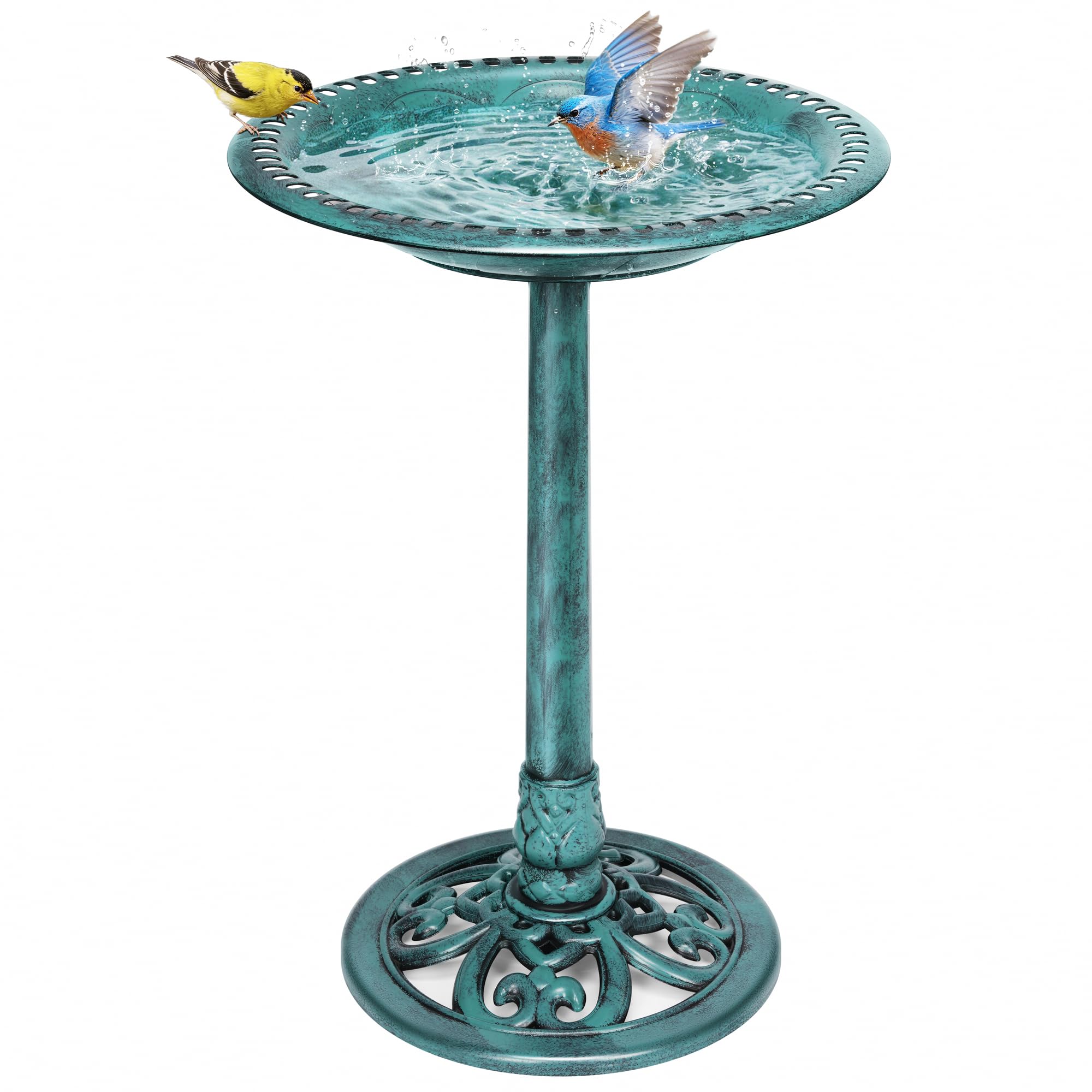
- VIVOHOME Bird Bath for Outside, Polyresin Pedestal Birdba…Check on Amazon →
- Mademax Solar Bird Bath Fountains, Upgrade 1.4W Solar Fou…Check on Amazon →
- Allied Precision Industries (650) Heated Bird Bath with M…Check on Amazon →
- Farm Innovators BD-75 All Seasons 3 in 1 Outdoor 14 Inch …Check on Amazon →
Prices and availability shown on the linked product pages are pulled from our Keepa-tracked catalog and may change on Amazon at any time.