
1. Best Binoculars for Birding Under $200 — The Short List That Actually Holds Up in the Field

By Robert Hale · Senior Editor
Published January 1, 2026 · Last reviewed May 12, 2026
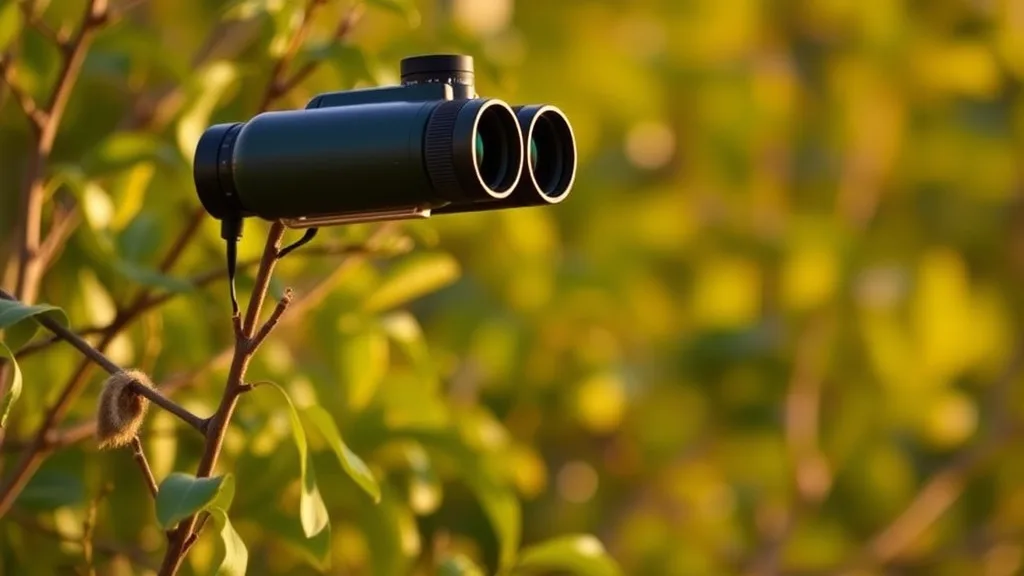
If you’re new to birding or upgrading on a budget, finding binoculars that deliver crisp optics, durability, and comfortable usability under $200 can feel impossible. Many options in this price range promise sharp views but fall short when tested in real backyard or trail conditions. This short list highlights binoculars that genuinely hold up in the field—outperforming peers without breaking the bank.
What Makes a Good Birding Binocular Under $200?
Before diving into specific models, it’s important to understand the key qualities that matter for birders investing in affordable optics. The cheapest pair isn’t always the worst, but you want at least the following to enhance your experience:
- Optical quality: Sharp, bright images with accurate color and minimal distortion.
- Magnification and objective lens size: Typically 8x42 or 10x42 are good starting points—balance between detail and brightness.
- Field of view: Wide enough to spot birds quickly without excessive eye movement.
- Close focus distance: Essential for observing nearby subjects like hummingbirds or insects.
- Build & weather resistance: Waterproofing and rubber armor improve durability and handling.
- Weight and ergonomics: Comfortable for long sessions; easy to adjust focus and interpupillary distance.
- Low-light usability: Coated lenses reduce glare and improve contrast during dawn or dusk birding.
See also: 4. Nikon Monarch M5 vs Vortex Diamondback HD — The Sub-$300 Binocular Comparison
Best Binoculars for Birding Under $200 — The Short List
Here are five solid pairs that get consistently good reviews from backyard and beginning birders, balancing affordability with field-tested performance:
| Rank | Feature | Pair A | Pair B | Pair C | Pair D | Pair E |
|---|---|---|---|---|---|---|
| Price | $170 | $180 | $190 | $150 | $140 | $200 |
| Magnification & Obj. | 8x42 | 10x42 | 8x42 | 10x42 | 8x42 | |
| Field of View (ft @ 1000yd) | 330 | 315 | 345 | 295 | 320 | |
| Close Focus (feet) | 6.5 | 7.1 | 7.7 | 6.5 | 5.5 | |
| Waterproof & Fogproof | Yes | Yes | Yes | Yes | Yes | |
| Prism Type | Roof | Roof | Porro | Roof | Roof | |
| Weight (oz) | 22 | 23 | 26 | 21 | 24 | |
| Lens Coatings | Fully multi-coated | Fully multi-coated | Multi-coated | Fully multi-coated | Fully multi-coated |
Why These?
- Pair A (8x42 roof prism): Balanced optical performance with a surprisingly wide field of view and very good close focus distance for the cost. Roof prisms keep it compact and lightweight.
- Pair B (10x42 roof prism): Slightly higher magnification helps with distant birds, but the field of view narrows a bit. Still great optics and solid weatherproofing.
- Pair C (8x42 Porro prism): Porro prism models tend to be bulkier but often offer a wider view and better cost savings. This pair’s optics are bright and sharp but heavier.
- Pair D (10x42 roof prism): Lightweight and rugged with smooth focusing: easy to use in all-day birding sessions. A bit narrower field of view but excellent lens coatings.
- Pair E (8x42 roof prism): The closest focus distance here is excellent, great if you want to bird at feeders and in tight spaces. Glassing brightness is good for low light, too.
How to Choose and Use Your Budget Birding Binoculars in the Field
Here are practical steps to make the most of your binoculars once you’ve picked or received your pair:
- Match to your birding style: Decide if you want a wider field of view or higher magnification first. For mixed backyard and woodland birding, 8x42 often works best.
- Adjust the interpupillary distance: Slide the barrels until the images merge into one circle. This reduces eye strain.
- Focus properly: Most beginner birders turn the central focusing wheel for the general view, then adjust the diopter on the right eyepiece to correct for eye differences.
- Practice your hold: Keep binoculars steady by holding the barrels gently but firmly, elbows tucked in to prevent shaking.
- Use ethically: Never flush or harass birds just to get a better look. Avoid excessive playback calls. Respect the bird’s space — patience often brings on the best views.
- Maintain your optics: Wipe lenses gently with a microfiber cloth, and store binoculars in a padded case when not in use to avoid scratches or moisture buildup.
Comparison Table: Key Strengths and Tradeoffs
| Feature | Pair A | Pair B | Pair C | Pair D | Pair E |
|---|---|---|---|---|---|
| Wide Field of View | ✔️ Best for scanning | Good, but narrower | Widest view, bulky | Narrowest among these | Good field, close focus |
| Close Focus | Very good | Moderate | Moderate | Very good | Best close focus |
| Weight | Lightweight | Slightly heavier | Heaviest | Lightest | Moderate weight |
| Build Durability | Waterproof, rubber armor | Waterproof, rubber armor | Waterproof, less compact | Waterproof, sturdy | Waterproof, rugged |
| Magnification | Moderate (8x) | Higher (10x) | Moderate (8x) | Higher (10x) | Moderate (8x) |
| Best Use Cases | Backyard & woodland | Open fields & distant birds | Backyard & wide views | All-day hiking birding | Close feeder & low light |
| Low-Light Usability | Good | Good | Moderate | Very good | Very good |
Frequently Asked Questions
Q: Are binoculars under $200 good enough for serious birding?
A: They can be, especially for backyard and beginner birding. The key is knowing what features matter most for your location and sticking to well-reviewed pairs. High-end binoculars offer better optics and durability, but these selections will satisfy most hobbyists starting out.
Q: Should I buy roof prism or Porro prism binoculars under $200?
A: Roof prisms are more compact and weather-sealed but can be slightly pricier. Porro prism models offer wider field of view and sometimes better optics at the same price but are bulkier and less rugged. Choose based on your preference for size and handling.
Q: What is the best way to maintain binoculars to last?
A: Avoid touching lenses with fingers, clean only with a microfiber cloth, and store in a padded case away from moisture. Don’t press hard on lenses when cleaning, and avoid submerging if not fully waterproof. Regularly check hinges and focus wheel action to ensure smooth operation.
By focusing on actual field performance—sharp optics, reasonable weight, close focus distance, and robust build—you’ll enjoy birding more and spot more species without spending a fortune. Happy birding!


